

Creating a consistent feeding schedule is one of the most important things you can do for your dog’s health and happiness. Just like humans, dogs thrive on routine, and knowing when meals are coming helps them feel secure and maintain good digestive health.
Why Feeding Times Matter
Regular feeding schedules help regulate your dog’s digestive system and make bathroom breaks more predictable. When you feed your dog at the same times each day, their body learns when to expect food and processes it more efficiently. This routine also makes house training easier, especially for younger dogs, because you can predict when they’ll need to go outside.
Consistent meal times also help prevent begging behaviors. When your dog knows that food comes at specific times, they’re less likely to constantly ask for snacks or hover around the kitchen during your own meals.
How Often Should You Feed Your Dog?
Most adult dogs do well with two meals per day – one in the morning and one in the evening. Spacing these meals about 8-12 hours apart works well for most families. For example, feeding at 7 AM and 6 PM creates a balanced schedule.
Puppies need to eat more frequently because their smaller stomachs can’t hold enough food for long periods. Young puppies may need three to four meals per day, gradually transitioning to two meals as they mature.
Creating the Right Schedule
Choose feeding times that work with your daily routine. If you leave for work at 8 AM, feeding at 7 AM gives your dog time to eat and go outside before you leave. The key is consistency – try to stick to the same times every day, even on weekends.
Leave food down for about 15-20 minutes, then pick up the bowl whether or not your dog has finished. This teaches your dog to eat when food is available and prevents grazing behavior throughout the day.
Special Considerations
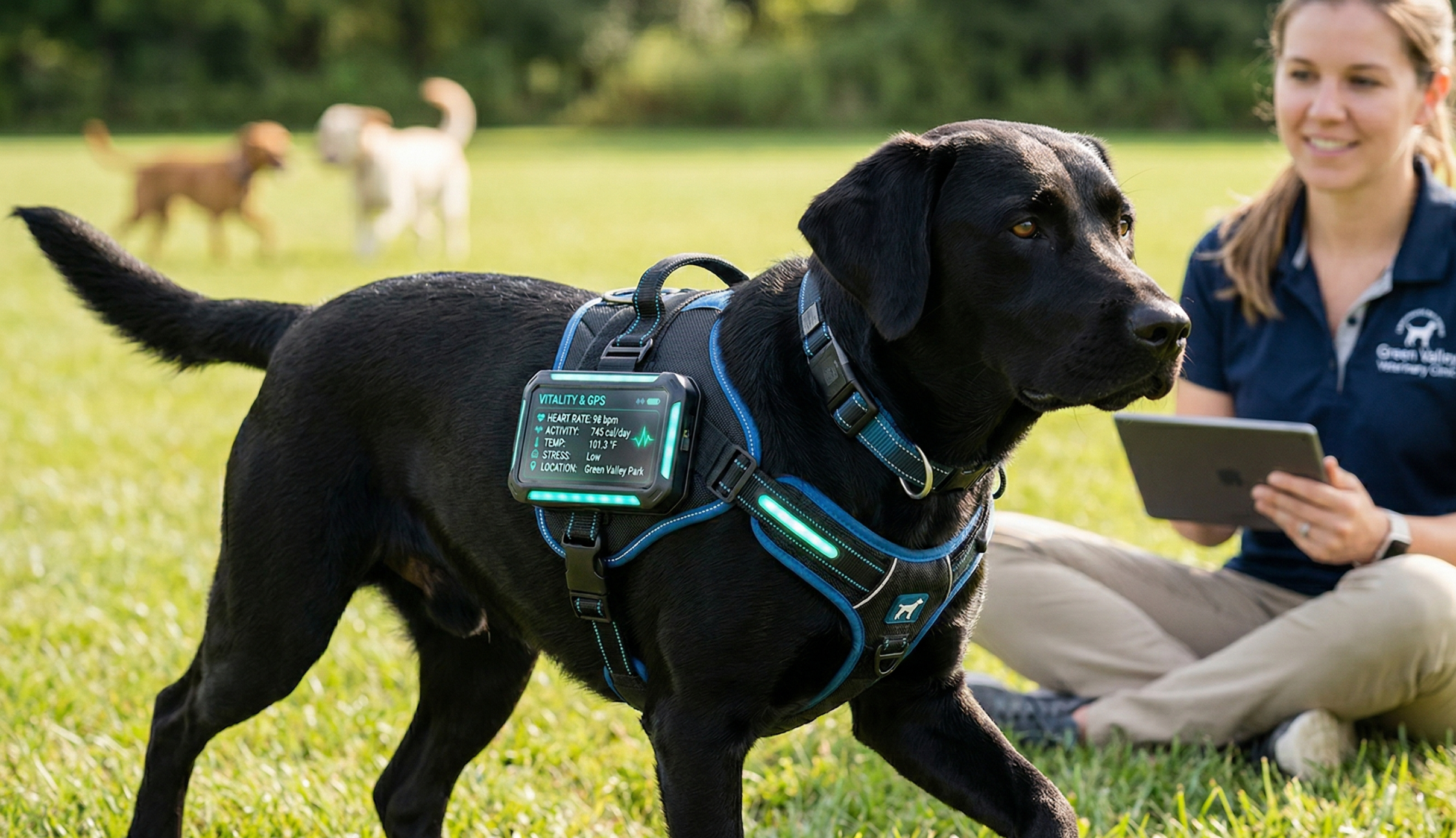
Some dogs have specific needs that affect their feeding schedule. Active or working dogs may benefit from eating smaller meals more frequently, especially on activity days. Senior dogs might also do better with multiple smaller meals if they have decreased appetite or digestive issues.
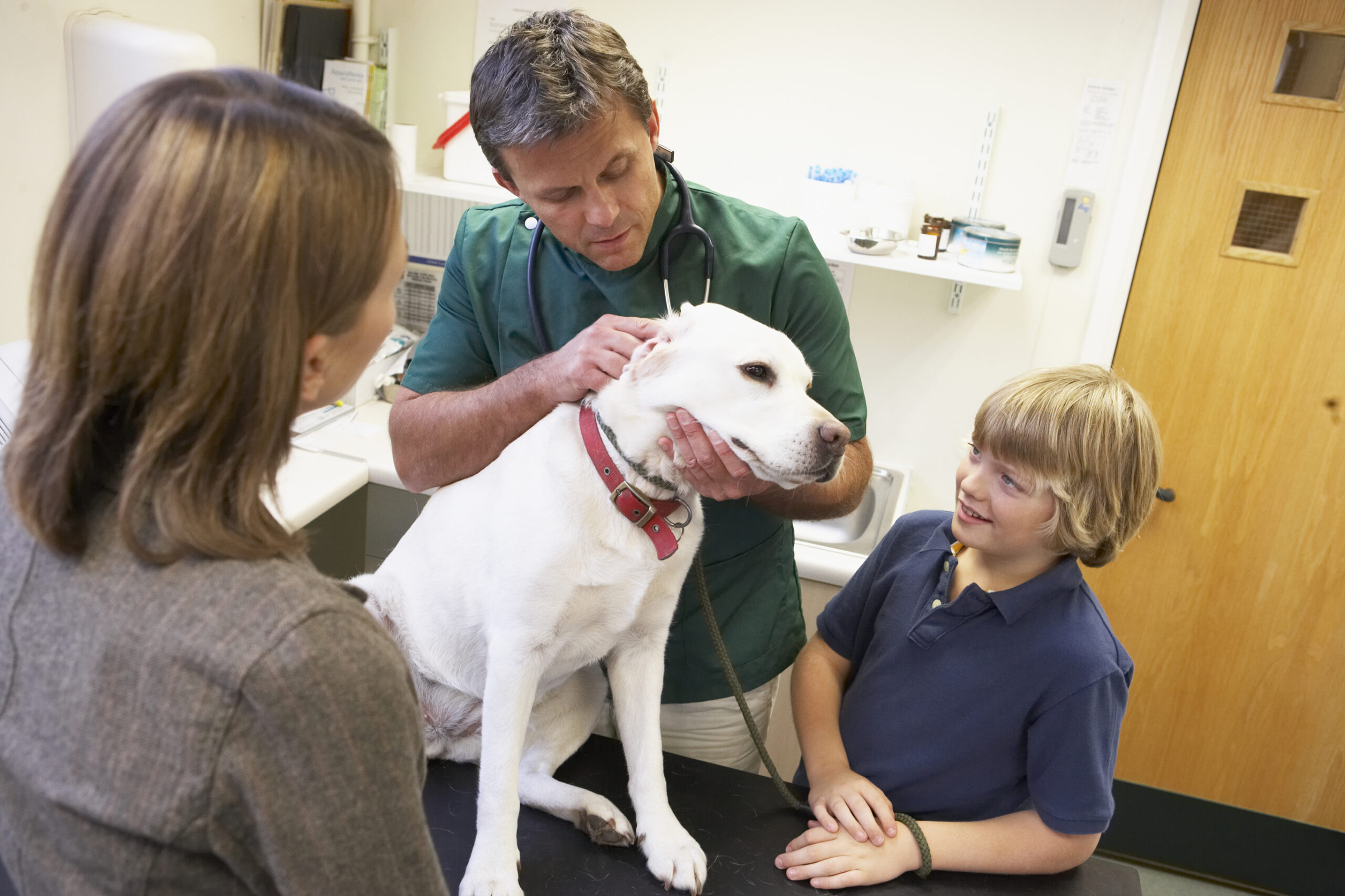
If your dog has any health conditions like diabetes, kidney disease, or takes medications, talk with your veterinarian about the best feeding schedule. These situations often require precise timing for meals and medications.
Remember, every dog is different. While these guidelines work for most dogs, your veterinarian can help you create a feeding schedule tailored to your dog’s specific needs, age, and health status. Regular check-ups ensure your dog maintains a healthy weight and gets proper nutrition throughout their life.