
A cat’s gut is more than just a digestive tract, it’s a bustling ecosystem that influences mood, immunity, and vitality. When the gut thrives, so does your feline companion. Understanding how to foster this inner world creates a foundation for a long, joyous life together.
Do: Prioritize a Balanced, Species-Appropriate Diet
The cornerstone of gut health in cats lies in feeding a diet rich in high-quality proteins such as chicken, fish, or turkey, which aligns with their carnivorous nature. Talking about turkey, turkey treats should account for no more than 10% of your pet’s total daily caloric intake.
Avoid fillers, grains, and by-products that can disrupt digestion and promote inflammation. Incorporate fiber thoughtfully—fiber adds bulk to stool, supports regular bowel movements, and nurtures beneficial gut bacteria. Look for foods enriched with prebiotics and probiotics; prebiotics serve as nourishment for good bacteria, while probiotics introduce live beneficial microbes that enhance digestion and immunity.
Don’t: Rush Dietary Changes or Feed Human Food
Abrupt diet switches can unsettle the delicate balance of gut microbes, leading to digestive upset. Transition to new foods gradually over one to two weeks, mixing increasing amounts of the latest diet with the old. Resist the temptation to share table scraps or leftover human food, which often contain ingredients harmful or difficult for cats to digest. Such practices can trigger food intolerances, allergies, or inflammatory bowel conditions.
Do: Hydration and Activity
Hydration fuels digestion and helps maintain smooth bowel function. Offer fresh water consistently and consider wet food to boost moisture intake. Physical activity stimulates gut motility and supports overall well-being. Engage your cat with play and exercise regularly to keep their digestive system moving and their spirits high.
Don’t: Ignore Signs of Digestive Distress or Delay Vet Visits
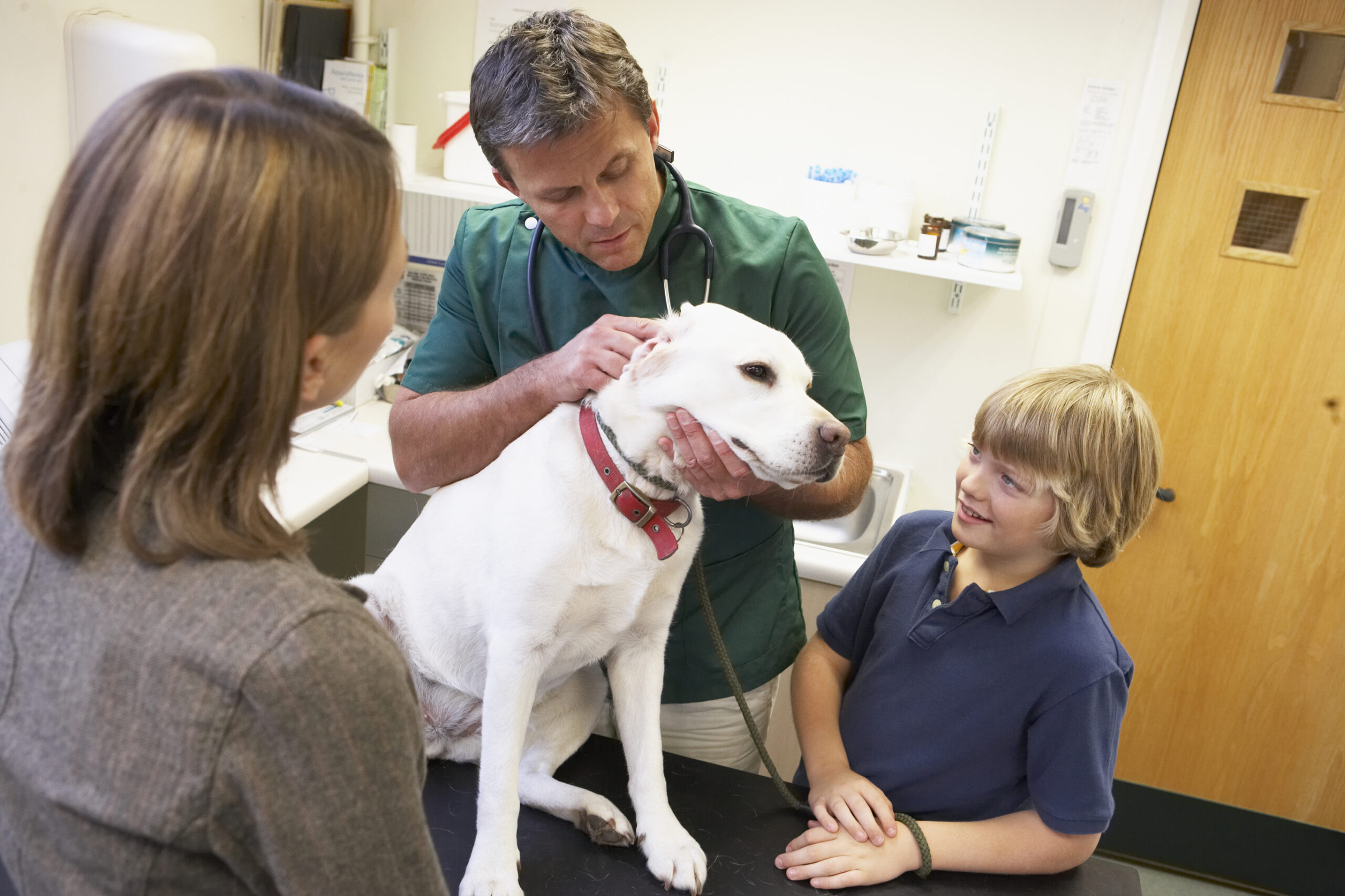
Symptoms like loose stool, vomiting, reduced appetite, or sudden weight changes signal gut imbalance or illness. Early veterinary evaluation prevents complications and guides tailored interventions, including specialized diets or supplements. Seek professional guidance, as inappropriate treatments can worsen conditions or cause toxicity.
Do: Consider Supplements Wisely
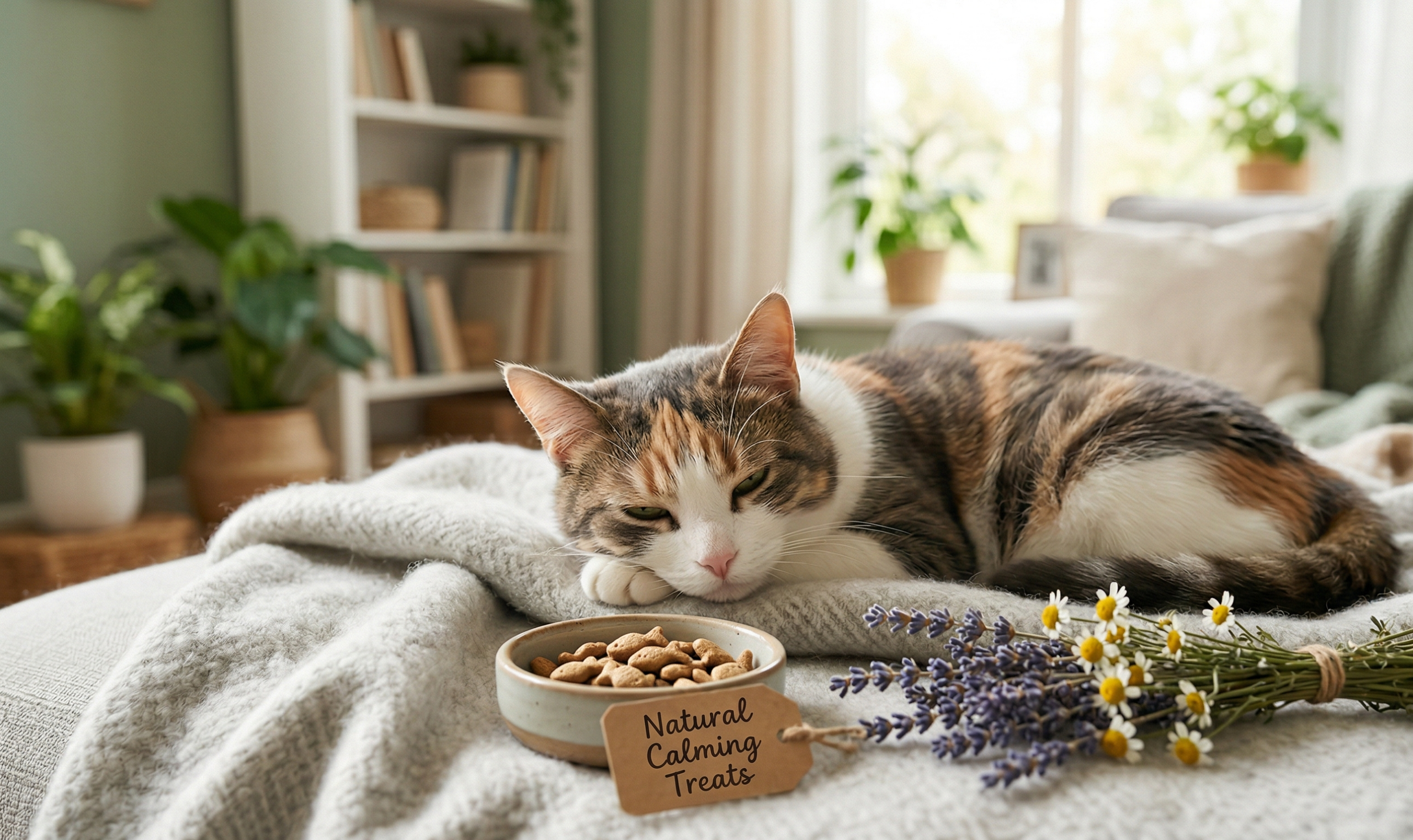
Supplements such as digestive enzymes, probiotics, and select herbal ingredients (ginger, marshmallow root, slippery elm) can soothe inflammation, improve nutrient absorption, and restore microbial harmony. These additions complement a balanced diet and support recovery from gut disturbances. Always remember to consult your veterinarian before choosing a particular supplement, as they can assess your cat’s condition and needs.
Gut health in cats is a vibrant, dynamic world that shapes their happiness and longevity. Embracing mindful feeding, gradual transitions, hydration, activity, and attentive care creates a sanctuary within—a place where your feline thrives.
How Stress Affects Your Cat’s Digestive System
Stress plays a surprising but significant role in your cat’s gut health. Just like in humans, stress in cats can trigger a chain reaction that impacts digestion and the gut microbiome. When a cat feels anxious, due to loud noises, unfamiliar visitors, moving homes, or even a new pet, their body releases stress hormones like cortisol. These hormones can disrupt gut bacteria, slow down digestion, and cause inflammation in the intestines.
Common signs of stress-related digestive issues include diarrhea, constipation, vomiting, and a reduced appetite. Cats are sensitive creatures, and their digestive system often mirrors their emotional well-being.
To support gut health, create a calm and predictable environment. Provide safe spaces, stick to routines, and enrich their surroundings with toys and interactive play. Reducing stress not only balances gut flora but also improves your cat’s mood, energy, and immune system.
Signs Your Cat’s Gut Needs Help
Recognizing early signs of digestive trouble can prevent more serious health issues. When the gut is imbalanced, your cat’s body will often send warning signals. Common symptoms include:
- Frequent or smelly diarrhea
- Vomiting after meals
- Constipation or hard stool
- Excessive gas or bloating
- Changes in appetite or weight
- Dull coat or bad breath
These issues may indicate poor gut function, food intolerances, or harmful bacteria overgrowth. If symptoms persist, consult your vet for diagnostic tests like stool analysis or blood work. Addressing gut problems early can save your cat from long-term discomfort and health complications.
How to Track Gut Health at Home
Monitoring your cat’s digestive health doesn’t require a microscope—just a little observation. A few minutes each day can help you spot issues early. Key things to watch:
- Stool quality: Healthy cat poop should be firm, brown, and well-formed—not too hard or runny.
- Appetite: A Sudden increase or decrease in food intake could signal discomfort.
- Energy levels: Gut imbalance can sap energy and dull your cat’s playful nature.
- Coat condition: Dull, flaky fur can reflect poor nutrient absorption.
Consider keeping a simple gut health journal. Track your cat’s meals, poop consistency, behavior, and any symptoms. Share this with your vet if you notice persistent changes. This small step empowers early intervention and long-term wellness.
Final Words
A healthy gut means a happier, more energetic cat. By choosing the right food, staying alert to signs of distress, reducing stress, and keeping your cat active and hydrated, you support their overall well-being. Small, consistent steps can make a big difference because when the gut thrives, your cat truly shines.