
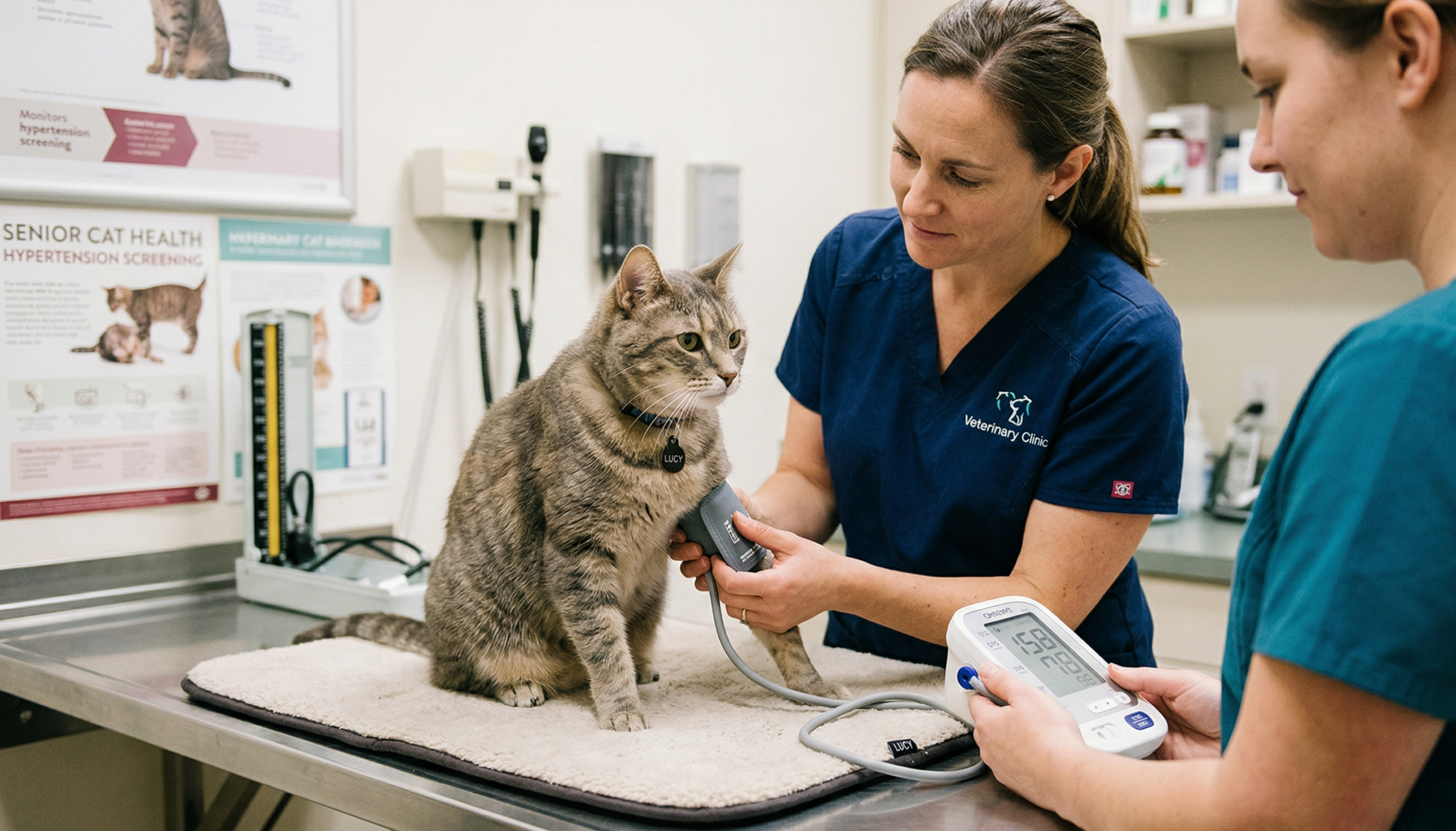
High blood pressure, also called hypertension, is a serious health condition that affects many cats, especially as they grow older. Unfortunately, most people who care for cats don’t know this condition exists or how dangerous it can be. Learning about feline hypertension can help you protect your furry companion from its potentially devastating effects.
What Is Feline Hypertension?
Just like in humans, high blood pressure in cats means the force of blood pushing against artery walls is too strong. This puts extra strain on vital organs including the heart, kidneys, eyes, and brain. The scary part is that cats often don’t show obvious signs until serious damage has already occurred.
Why Does It Happen?
Hypertension in cats usually develops for two reasons. Secondary hypertension happens when another disease causes the blood pressure to rise. The most common culprits are kidney disease and hyperthyroidism, both frequently seen in senior cats. Primary hypertension occurs without any underlying disease, though this is less common in felines.
Warning Signs to Watch For
Cats are masters at hiding illness, making hypertension particularly tricky to detect. However, you might notice:
- Sudden blindness or dilated pupils (from retinal detachment)
- Disorientation or seeming confused
- Weakness or difficulty walking
- Changes in behavior or increased vocalization
- Blood in the eye
- Seizures in severe cases
The sudden blindness is especially heartbreaking because it can happen overnight when blood vessels in the eyes burst or the retinas detach.
Who Is at Risk?
While any cat can develop high blood pressure, certain groups face higher risk. Senior cats over seven years old are most vulnerable. Cats with kidney disease, hyperthyroidism, or heart disease should be monitored closely. Some breeds may have genetic predisposition, though research is still ongoing.
The Importance of Early Detection
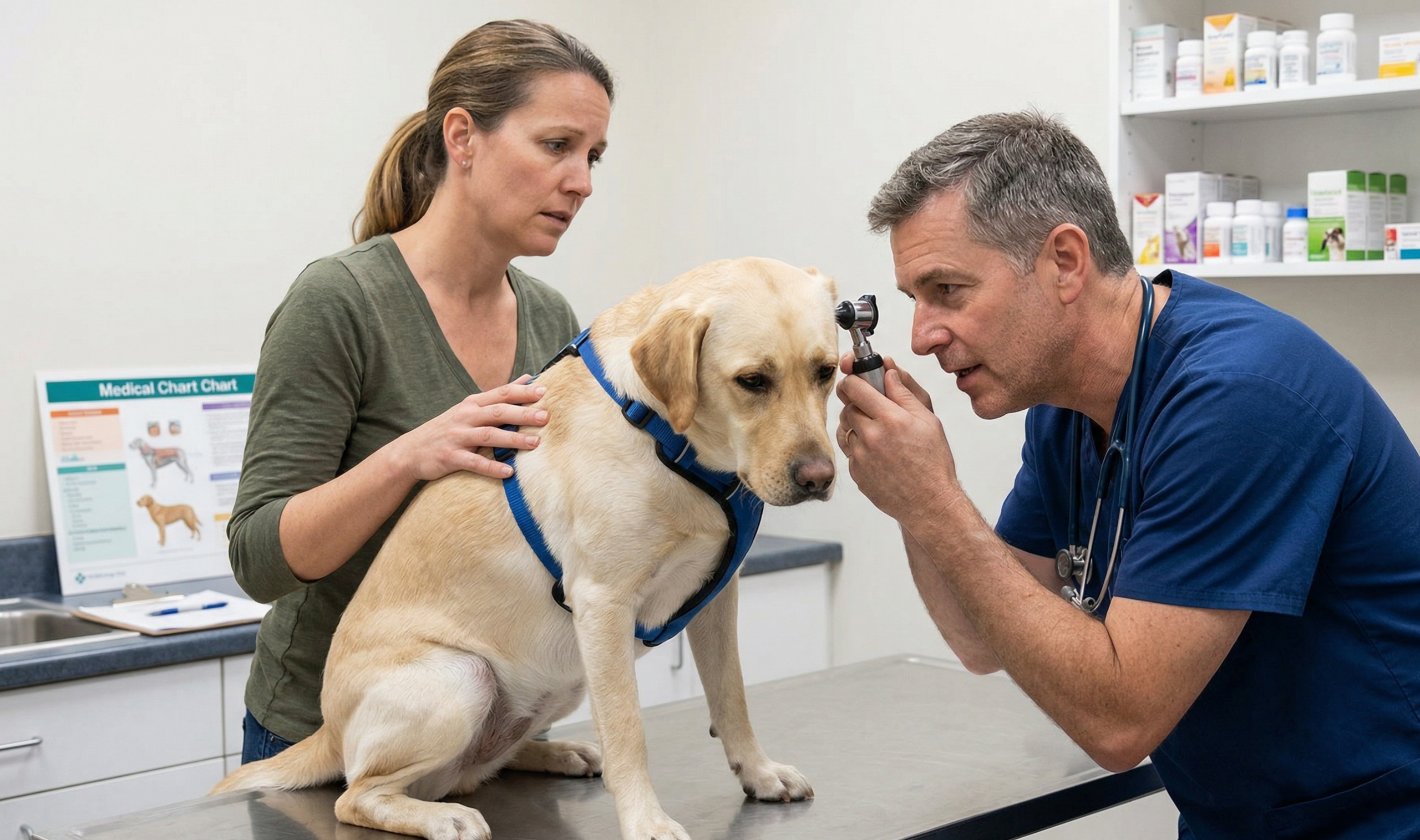
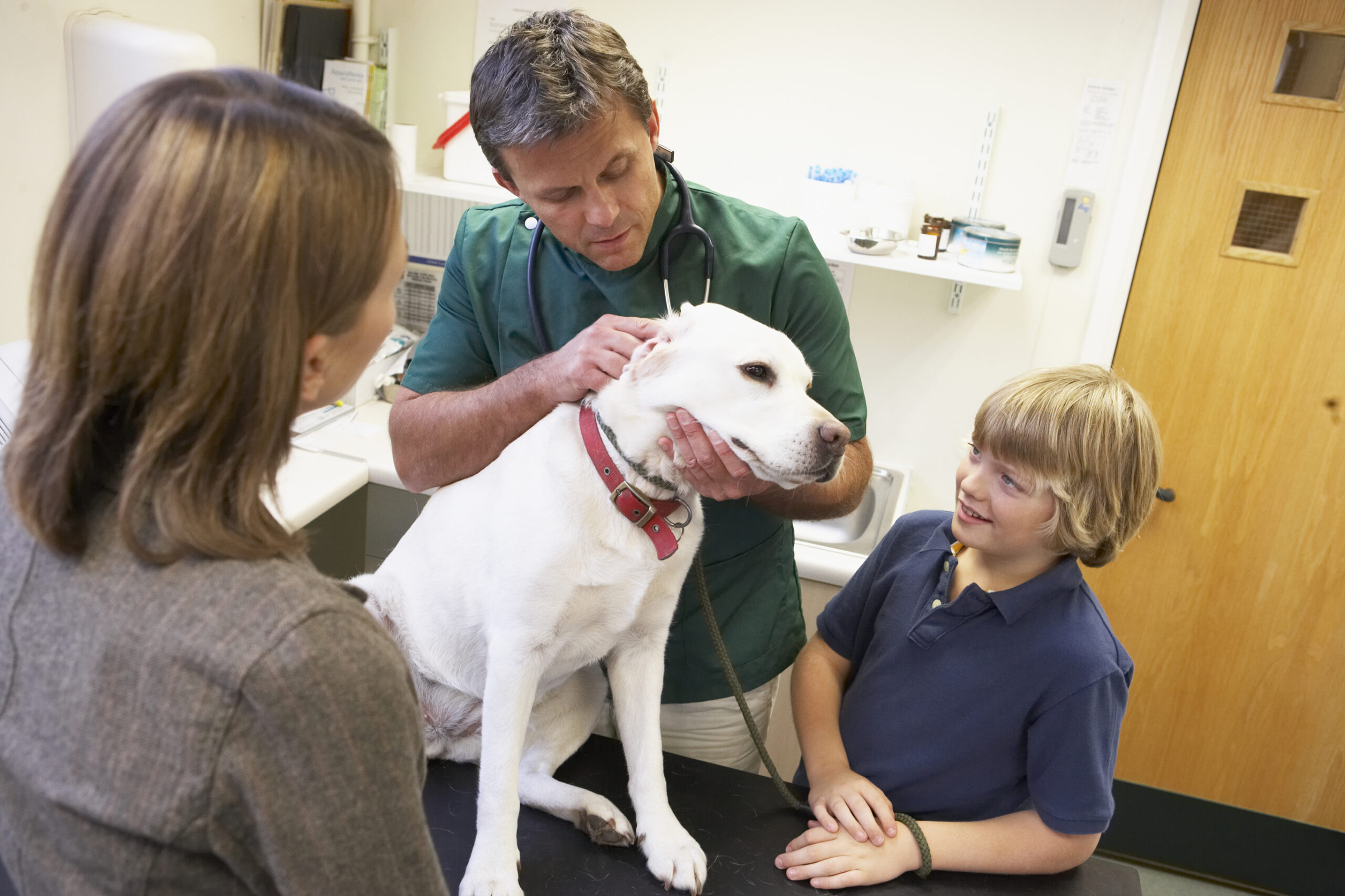
Regular veterinary checkups are essential. Your veterinarian can measure your cat’s blood pressure using a special cuff, similar to the process used for humans. Catching hypertension early can prevent organ damage and preserve your cat’s quality of life. Many veterinarians now recommend routine blood pressure screening for cats over seven years old.
Moving Forward
If you share your home with a cat, especially a senior feline, talk to your veterinarian about blood pressure monitoring. Early detection and treatment can prevent devastating complications like blindness. Your veterinarian is your best resource for guidance on screening frequency and any concerns about your cat’s health. Don’t wait for symptoms to appear—be proactive about your feline companion’s cardiovascular health today.