
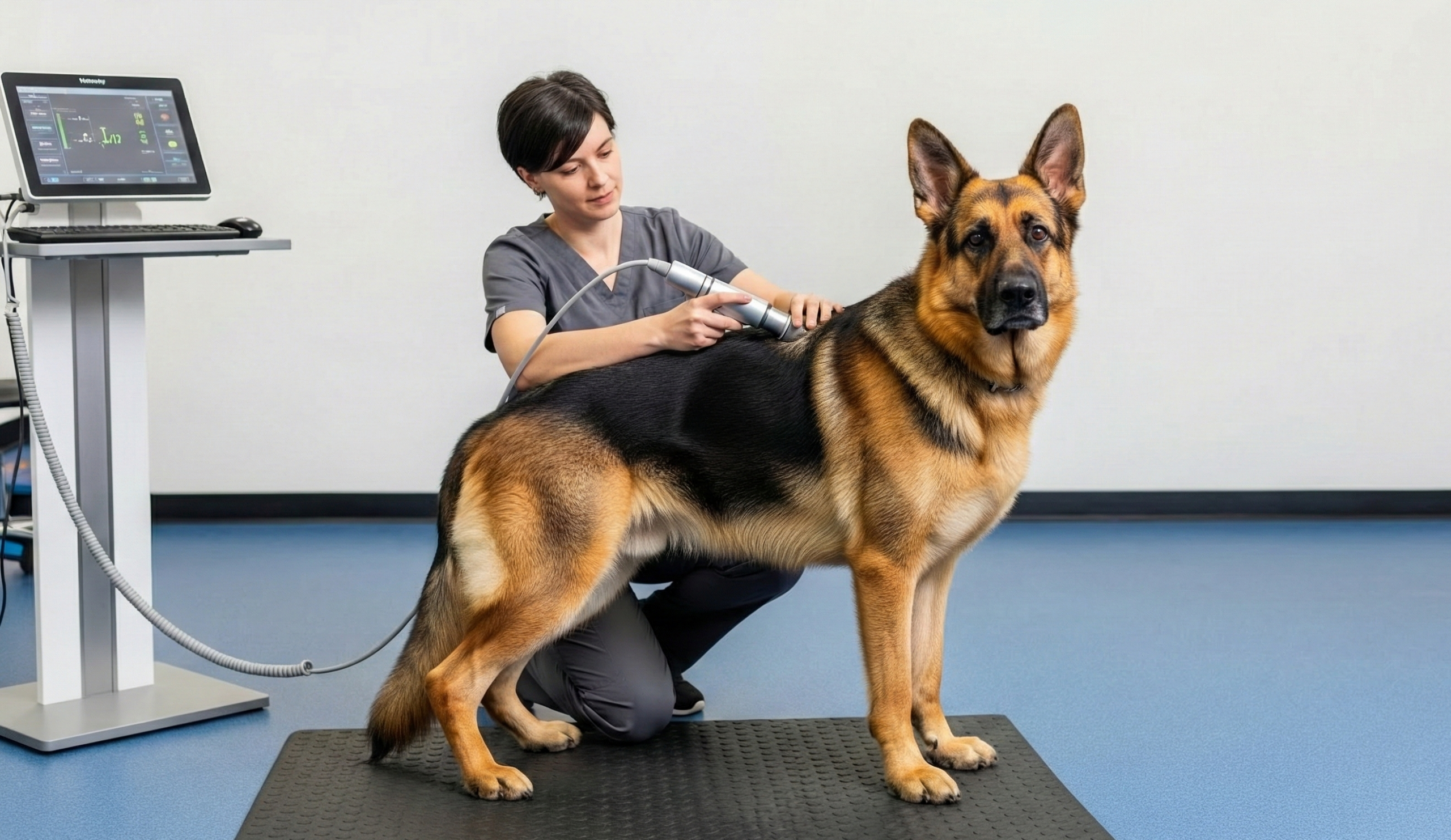
If your dog is dealing with pain or movement problems, you may have heard your veterinarian mention shockwave therapy. This treatment is becoming more popular in veterinary medicine, and it’s helping many dogs feel better and move more comfortably. Let’s explore what this therapy is and how it might help your canine companion.
What is Shockwave Therapy?
Shockwave therapy uses special sound waves that travel through your dog’s body to reach injured or painful areas. These waves are different from the sound we hear – they’re high-energy pulses that can stimulate healing deep in the tissues. Think of it like a very focused massage that reaches places regular touch cannot.
Conditions That May Benefit
This therapy can help dogs with several different health challenges. Dogs suffering from arthritis often find relief through shockwave treatments. The therapy can reduce pain and inflammation in their joints, helping them walk, run, and play more comfortably. Many dogs with hip or elbow problems have shown improvement after receiving this treatment.
Muscle and tendon injuries are another area where shockwave therapy shines. If your dog has strained a muscle during play or developed tendon problems, this treatment may speed up healing. The sound waves encourage blood flow to the injured area, which brings important nutrients needed for repair.
Dogs recovering from fractures or bone injuries might also benefit. The therapy can help bones heal faster and reduce pain during the recovery process. Some veterinarians also use it for back pain and certain types of wound healing.
What to Expect
During treatment, your dog will typically stay awake, though some dogs might receive light sedation if they’re very nervous. The veterinarian will apply a gel to your dog’s skin and use a special handheld device to deliver the shockwaves. Most sessions last between 15 and 30 minutes. Your dog might need several treatments spaced out over a few weeks.
Important Considerations
While shockwave therapy is generally safe, it’s not for every condition. Some situations where it should not be used include areas with active infections, tumors, or over pregnant areas. This is why professional evaluation is important.
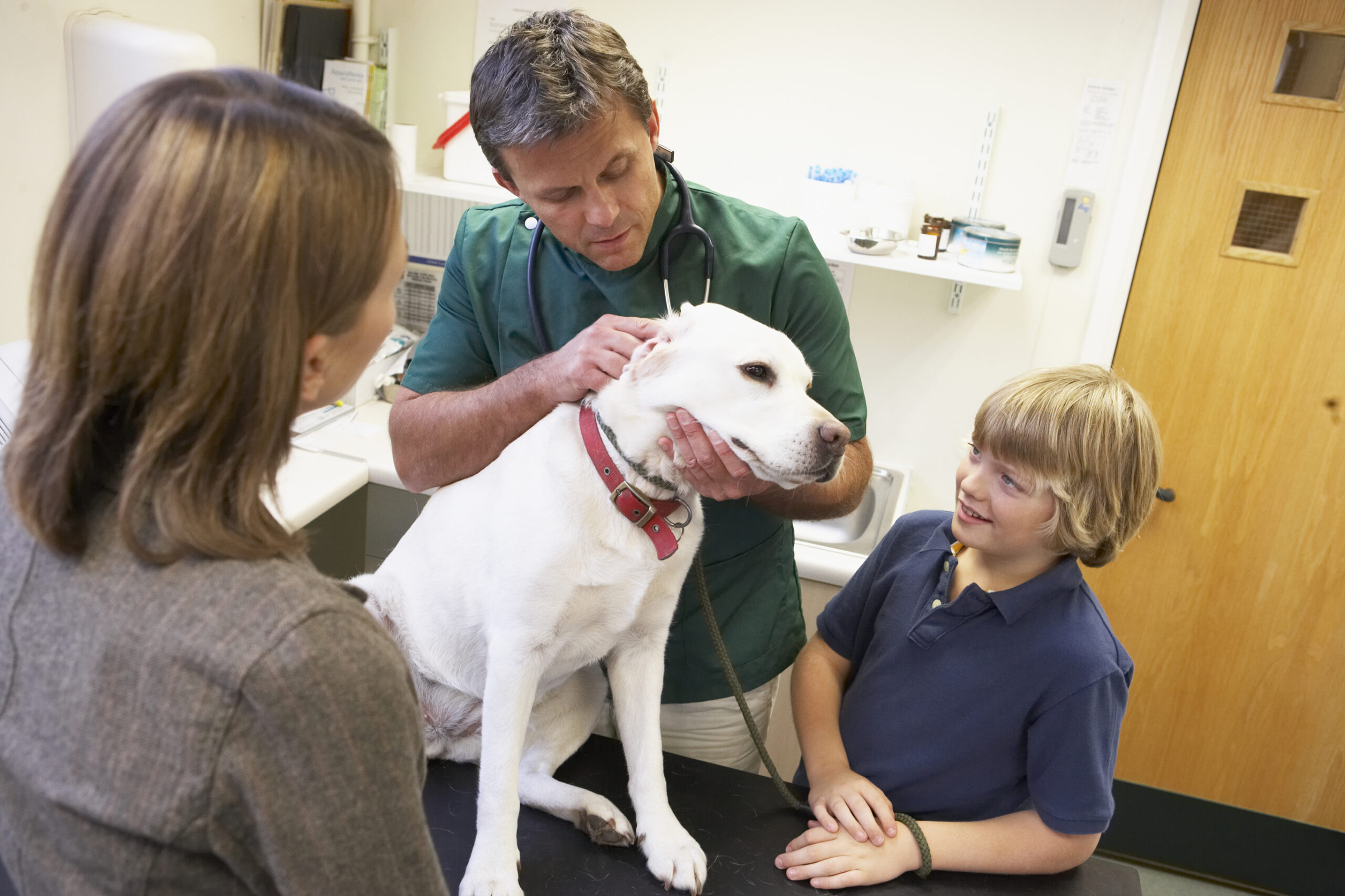
If you think shockwave therapy might help your dog, schedule an appointment with your veterinarian. They can examine your dog, discuss whether this treatment is appropriate, and create a complete care plan tailored to your dog’s specific needs. Your veterinarian is your best resource for determining the right treatment approach for your four-legged family member.