
Guide dogs play a vital role in assisting individuals with visual impairments. Their health and behavior are paramount to ensure they can effectively provide support. A recent study aims to enhance the guide dog breeding process by leveraging genetic information to predict critical health and behavior traits.
Focus on Health Issues
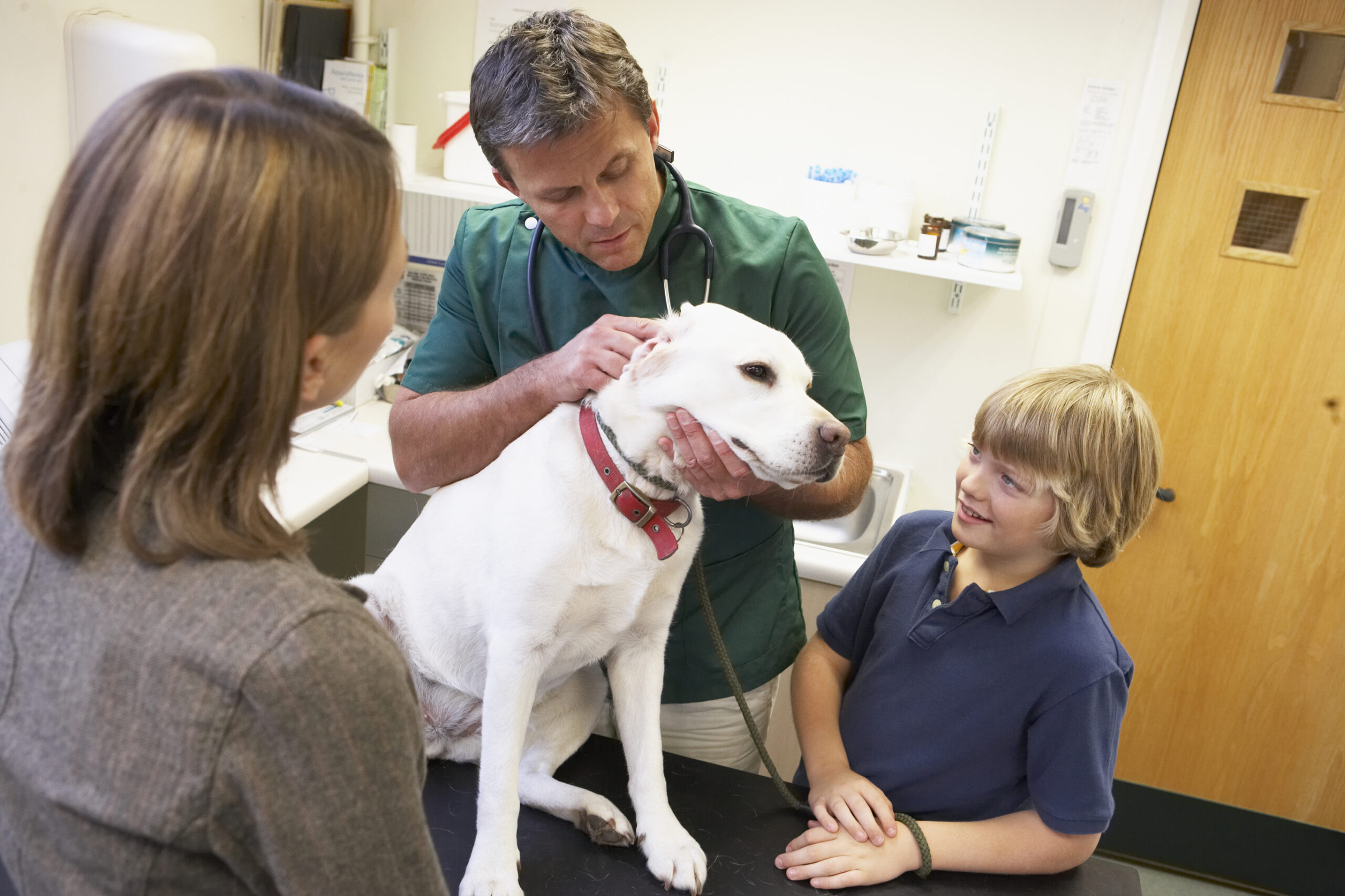
The study specifically examines the genetic predisposition of guide dogs to various health issues. Conditions such as anodontia, which involves missing teeth, distichiasis (extra eyelashes causing irritation), and oral papillomatosis (viral-induced oral tumors) were analyzed. Understanding these genetic factors allows breeders to make more informed decisions, ultimately improving the health of future guide dogs.
Behavior Traits Matter
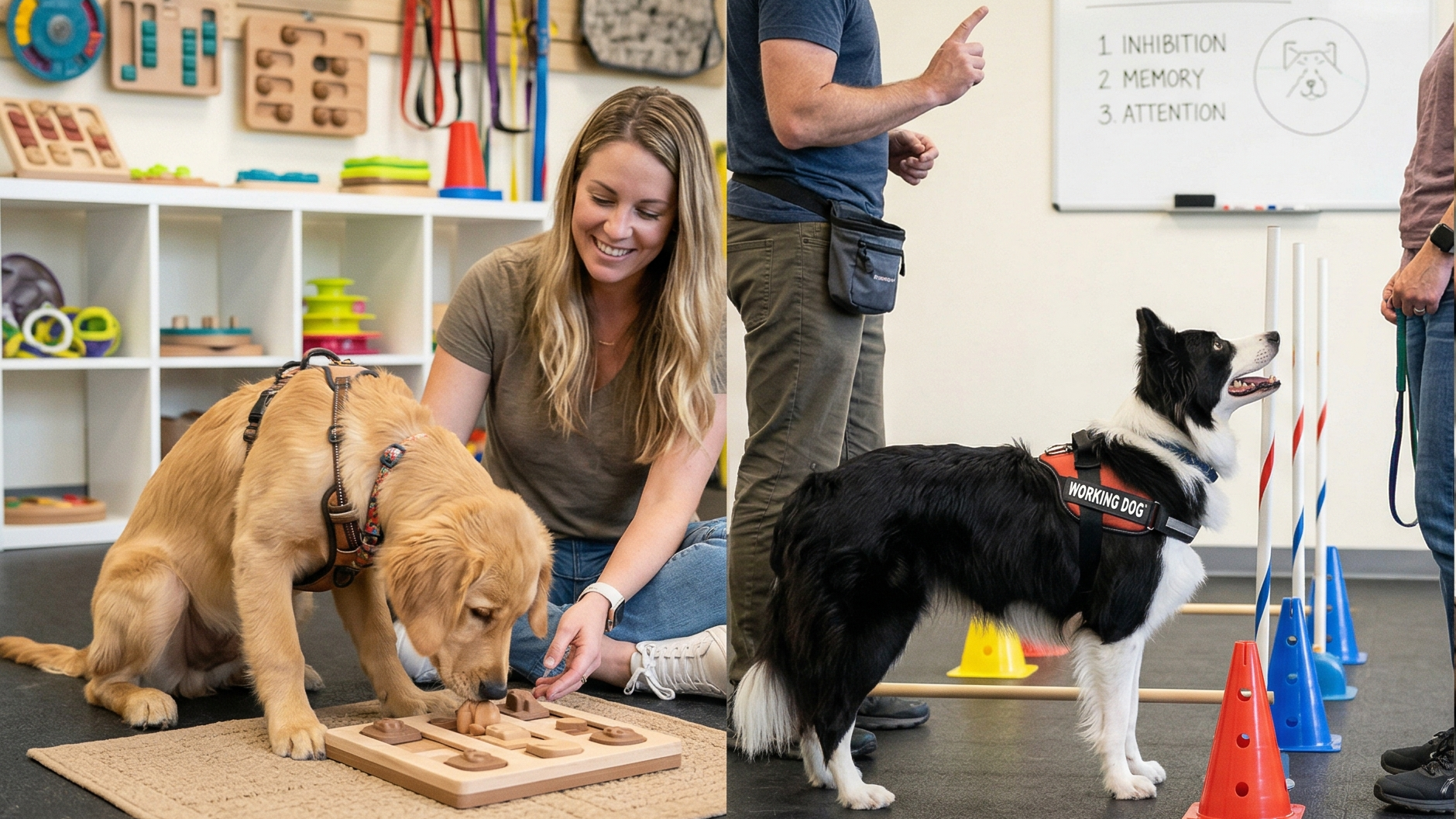
In addition to health, the study evaluates behavioral traits, particularly distractibility. High distractibility in guide dogs can hinder their effectiveness in service roles. By analyzing genetic data, breeders can identify traits associated with attentiveness and focus, ensuring that selected dogs are not only physically healthy but also mentally suited for their roles.
Comparative Analysis of Prediction Methods
The research involved a comparative analysis of various prediction methods to determine the most effective approaches for assessing genetic traits. Data from breeds such as German Shepherds, Golden Retrievers, and Labrador Retrievers were scrutinized. The study found that all tested methods delivered comparable results in predicting both health issues and behavior traits.
Simplicity Over Complexity
One of the most significant findings of this study is the efficacy of simpler, less time-consuming methods. Breeders often hesitate to adopt complex genetic testing due to costs and resource requirements. However, this research indicates that straightforward methods can yield results on par with more sophisticated techniques. This insight lowers barriers for breeders looking to incorporate genetic predictions into their selection process.
Practical Implications for Breeders
The implications of these findings are clear. Breeders can adopt genetic prediction tools without heavy investments. By focusing on healthier and more behaviorally sound dogs, breeders contribute to the development of a more capable generation of guide dogs. This not only enhances the quality of life for individuals relying on these animals but also promotes the overall well-being of the canine population.
As the study demonstrates, the integration of genetic information into the breeding process represents a valuable advancement for guide dog breeding. By prioritizing health and behavior traits through accessible methods, breeders can produce dogs better equipped to serve in their important roles. The future of guide dog assistance looks promising with these evidence-based strategies in play.