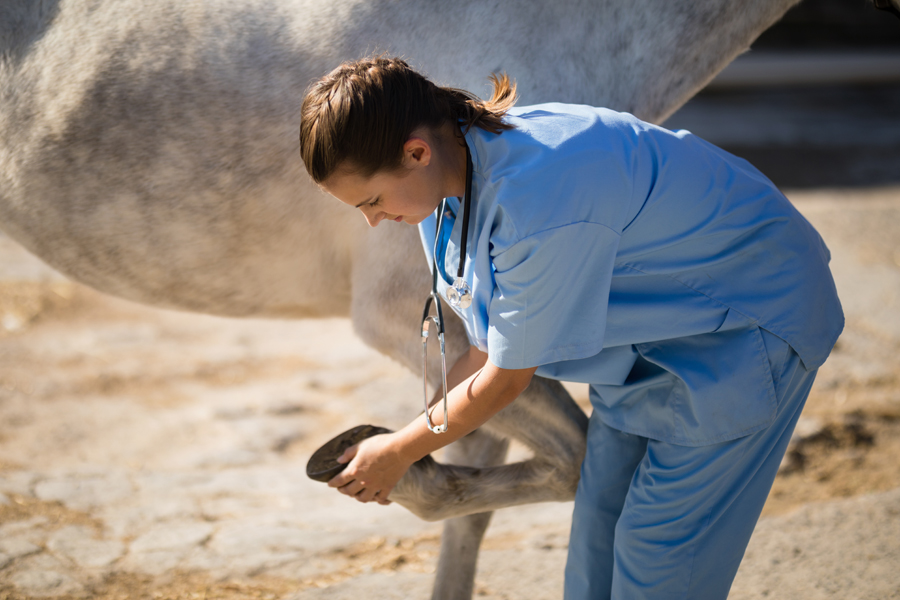
In a groundbreaking initiative, the Texas A&M AgriLife Extension Service is offering a Veterinary Science Certificate Program that’s revolutionizing how high school students prepare for careers in animal care. This program, approved by the Texas Education Agency, is providing teenagers with the unique opportunity to earn a veterinary assistant certification before they even don their graduation caps.
The program’s flexibility is one of its key strengths. Schools can tailor the curriculum to fit their specific needs, implementing it as either a one-year intensive course or a multi-year track. This adaptability ensures that the program can be integrated seamlessly into various educational environments across the state.
At the heart of the program is a rigorous curriculum that combines theoretical knowledge with hands-on experience. Students are required to complete 200 hours of coursework, covering essential topics in veterinary science. But what sets this program apart is the additional 225 clinical hours, during which students gain practical experience and master 100 essential skills crucial for a career in animal care.
Haley Andrews, a veterinary science instructor in Pasadena, Texas, emphasizes the importance of finding the right students for the program. “We’re really looking for those kids who aren’t afraid to get their hands dirty,” Andrews stated. “Veterinary science is a weird industry, and we love finding those unusual kids who want to develop their minds for veterinary science.”
Upon completion of the coursework and clinical hours, students are eligible to take the certification exam. Those who pass are immediately qualified to work as veterinary assistants, opening up immediate employment opportunities in animal clinics and hospitals. However, the program’s benefits extend beyond immediate job prospects.
For students considering higher education in veterinary or related sciences, the program provides an invaluable foundation. The knowledge and experience gained give these students a significant head start in their college studies. Moreover, the clinical hours accumulated can contribute to the experience requirements often needed for veterinary school applications.
One of the most appealing aspects of the program is its accessibility. With the exam costing only $50, it’s an affordable option for students from various socioeconomic backgrounds. This low barrier to entry is helping to address the chronic shortage of qualified employees in the veterinary industry by widening the pool of potential candidates.
The program’s approval by the Texas Education Agency has an additional benefit for participating schools. It contributes positively to their academic accountability ratings, providing an extra incentive for schools to implement the program.
This innovative approach to veterinary education exemplifies how partnerships between educational institutions and industry can create win-win situations, benefiting students, schools, and the wider community alike.