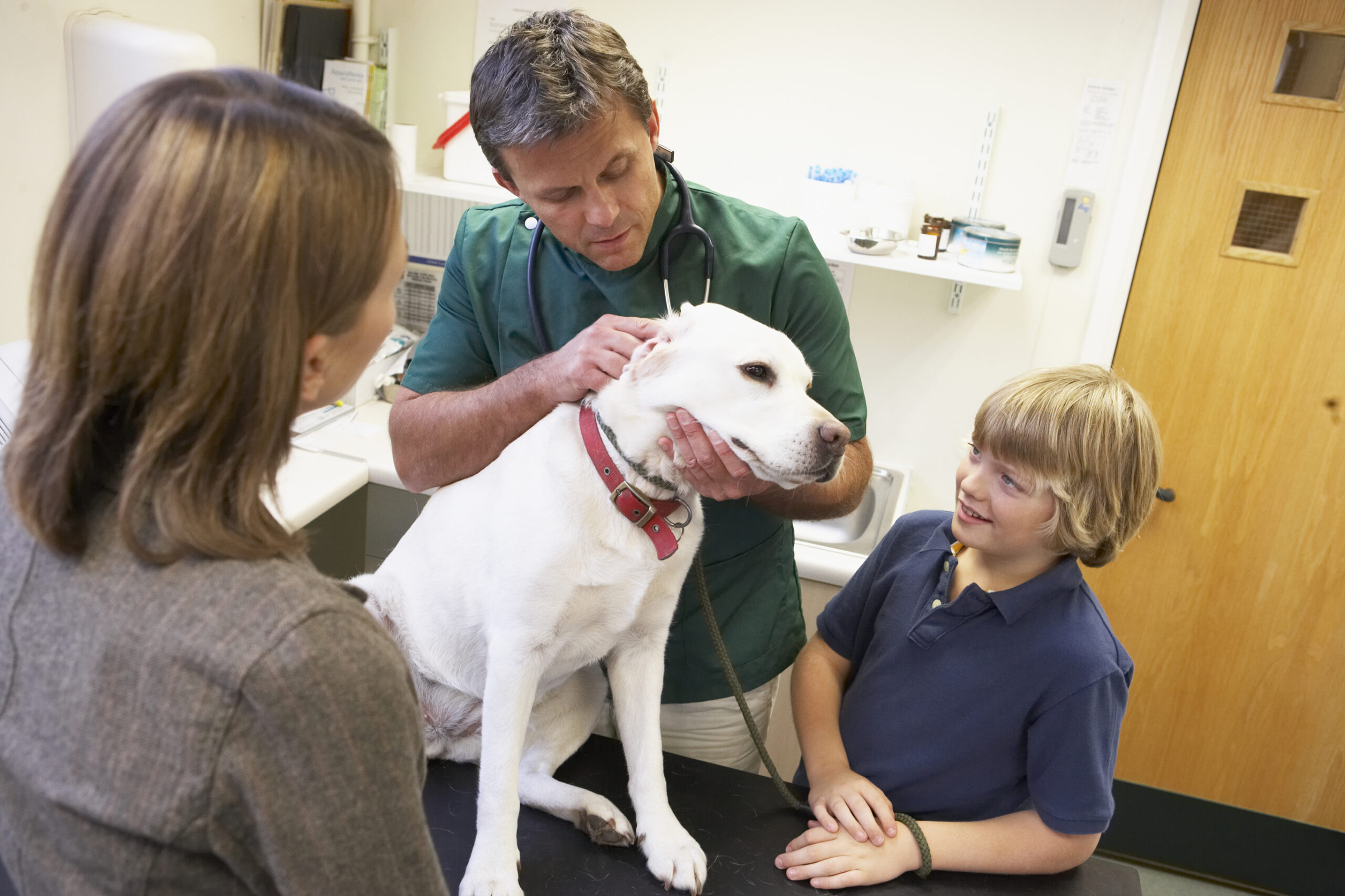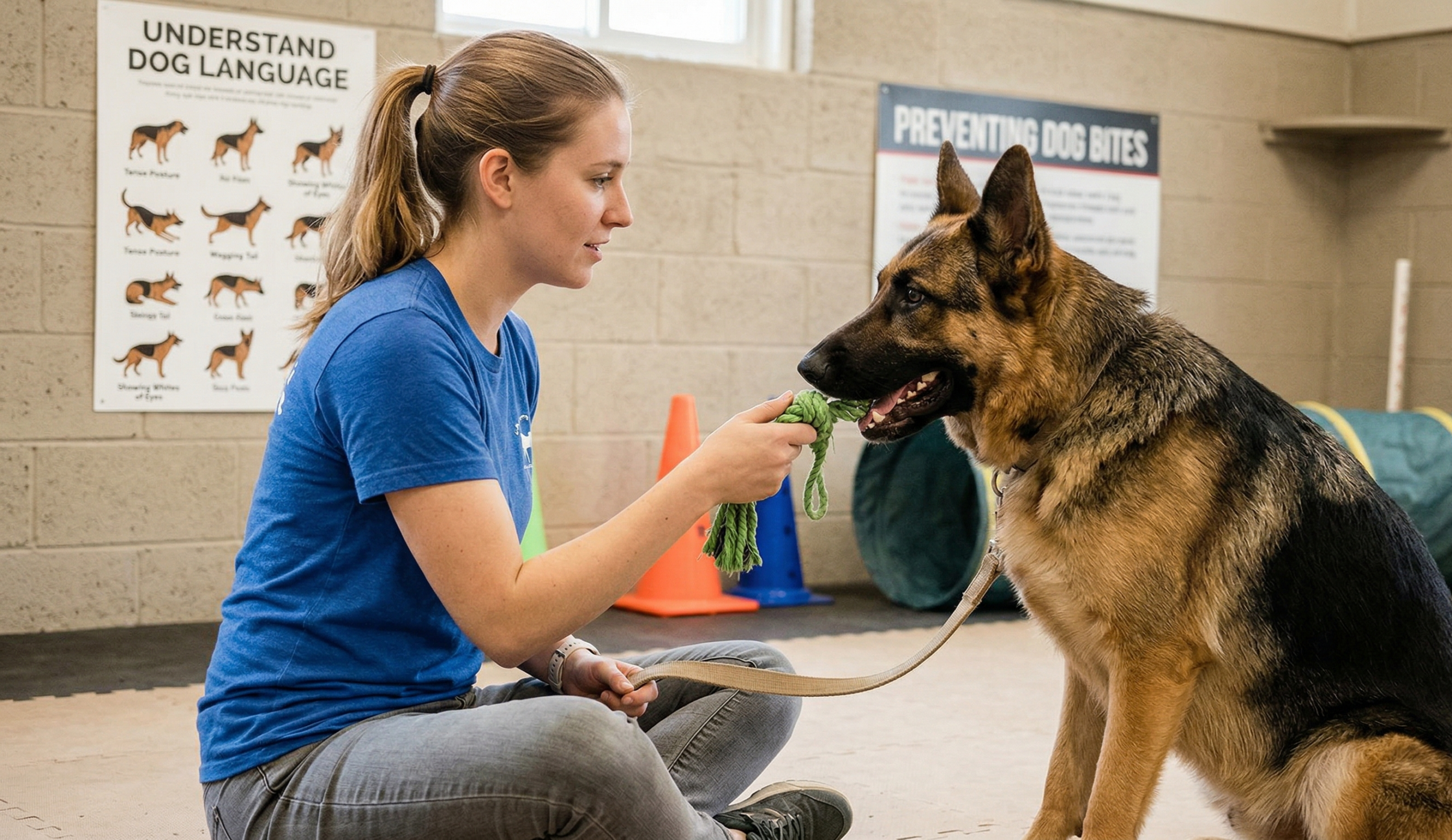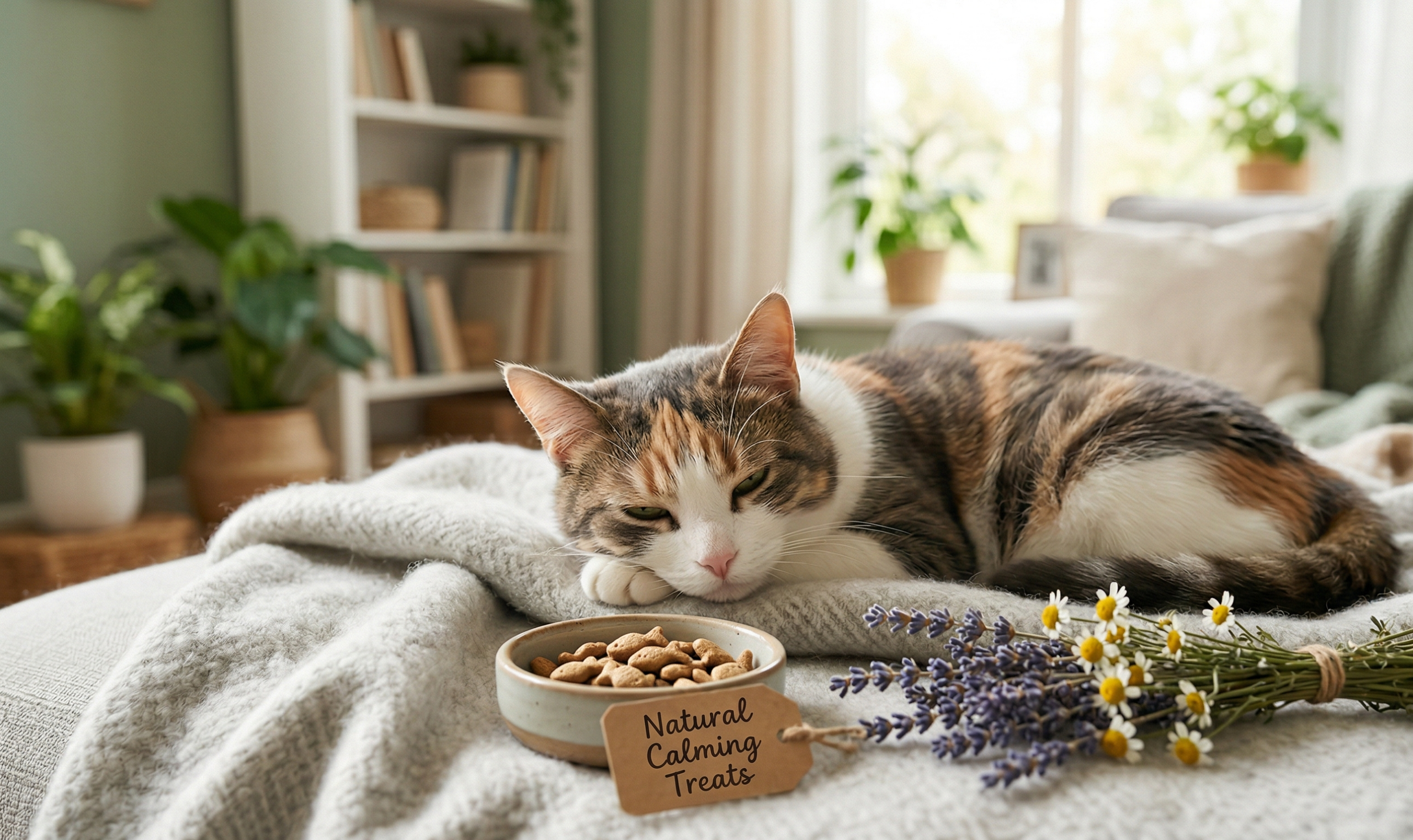


Chronic cough in dogs presents a common yet complex challenge in veterinary practice. While traditional treatment protocols remain essential, integrative approaches that combine conventional medicine with complementary therapies are gaining recognition for managing this persistent condition.
Etiology of Chronic Cough
Chronic cough in dogs can stem from various causes, including kennel cough (canine infectious respiratory disease), eosinophilic lung disease, cardiac conditions, and environmental irritants. The characteristic “honking” cough often signals upper respiratory tract disease, though the underlying cause may be multifaceted. Proper diagnosis requires thorough examination, including history taking, physical assessment, and diagnostic imaging when indicated.
Conventional Treatment
Any integrative approach must take into consideration solid conventional medicine. Anti-tussives such as hydrocodone or butorphanol can help dogs rest by suppressing the cough reflex. When bacterial infection is suspected, antibiotics like doxycycline may be appropriate. Recent research suggests that inhaled steroids administered via spacing chambers show efficacy in managing dogs with chronic cough, particularly those with eosinophilic bronchopneumopathy.
However, it’s important to note that anti-inflammatory medications don’t always shorten disease duration, so their use should be carefully considered based on individual patient needs.
Integrative Treatment Strategies
Environmental Management: Reducing exposure to triggers is crucial. This includes minimizing contact with other dogs during active outbreaks, avoiding cigarette smoke, using air purifiers, and maintaining optimal humidity levels in the home.
Nutritional Support: A anti-inflammatory diet can support respiratory health. Some practitioners recommend omega-3 fatty acid supplementation to reduce airway inflammation. Weight management is also essential, as obesity can worsen respiratory symptoms. Natural supplements like honey (in small amounts) can be effective.
Stress Reduction: Chronic stress can compromise immune function. Creating a calm environment and maintaining consistent routines helps support overall health and recovery.
Physical Therapy: Gentle exercise within tolerance can maintain respiratory muscle function without triggering cough episodes. Swimming or short leisurely walks may be beneficial for some patients.
Other approaches
TCVM, herbal remedies, and other complementary therapies offer supportive options for managing chronic canine cough alongside conventional treatments like antibiotics or cough suppressants. These approaches focus on immune support, soothing irritation, and addressing underlying imbalances without replacing veterinary care.
TCVM Approaches
Traditional Chinese Veterinary Medicine (TCVM) integrates acupuncture, Chinese herbs, Tui-na massage, and food therapy to reduce cough frequency and strengthen lung function. Formulas like Fritillaria and Pinellia Syrup target “wind-heat” cough patterns common in kennel cough or bronchitis, working synergistically with Western meds. Acupuncture sessions can calm inflammation and improve Qi flow, often showing results in chronic cases when combined with conventional therapy.
Herbal Remedies
Herbs provide antiviral, anti-inflammatory, and soothing effects to ease symptoms.
-
Licorice root tea: Coats the throat and reduces irritation; mix 1/4-1 cup into meals based on dog size.
-
Thyme or marshmallow root: Offers antibiotic properties and mucilage to loosen mucus and fight infection. Marshmallow root can interfere with medication absorption.
-
Manuka honey or slippery elm: Soothes dry coughs and acts as a natural expectorant; 1 tsp honey daily for a 20-lb dog. It must be kept in mind that it can slow absorption of some medications.
-
Immune teas (echinacea, rose hips, ginger, chamomile): Boost immunity when steeped and added to food.
Medicinal mushrooms like reishi, cordyceps, and shiitake support lung health and reduce bronchial inflammation, complementing antibiotics. Homeopathy (e.g., Drosera, Aconite) and supplements such as probiotics or colostrum enhance recovery when tailored to symptoms. Nebulization with saline or steam therapy hydrates airways, pairing well with meds for chronic bronchitis.
Monitoring and Follow-Up
Close monitoring is essential when implementing integrative approaches. Some dogs may experience rebound cases or lingering symptoms, requiring treatment adjustments. Early veterinary intervention typically results in better outcomes than waiting for symptoms to resolve independently.
Conclusion
Integrative approaches to chronic cough recognize that healing involves the whole patient—not just suppressing symptoms. By combining evidence-based conventional treatments with complementary supportive care, veterinarians can offer comprehensive management strategies. However, each case requires individual assessment, and treatment plans should be tailored to the specific patient’s needs and underlying diagnosis.
As our understanding of canine respiratory disease continues to evolve, particularly with emerging pathogens, staying informed about both traditional and integrative treatment options ensures the best possible outcomes for our patients.