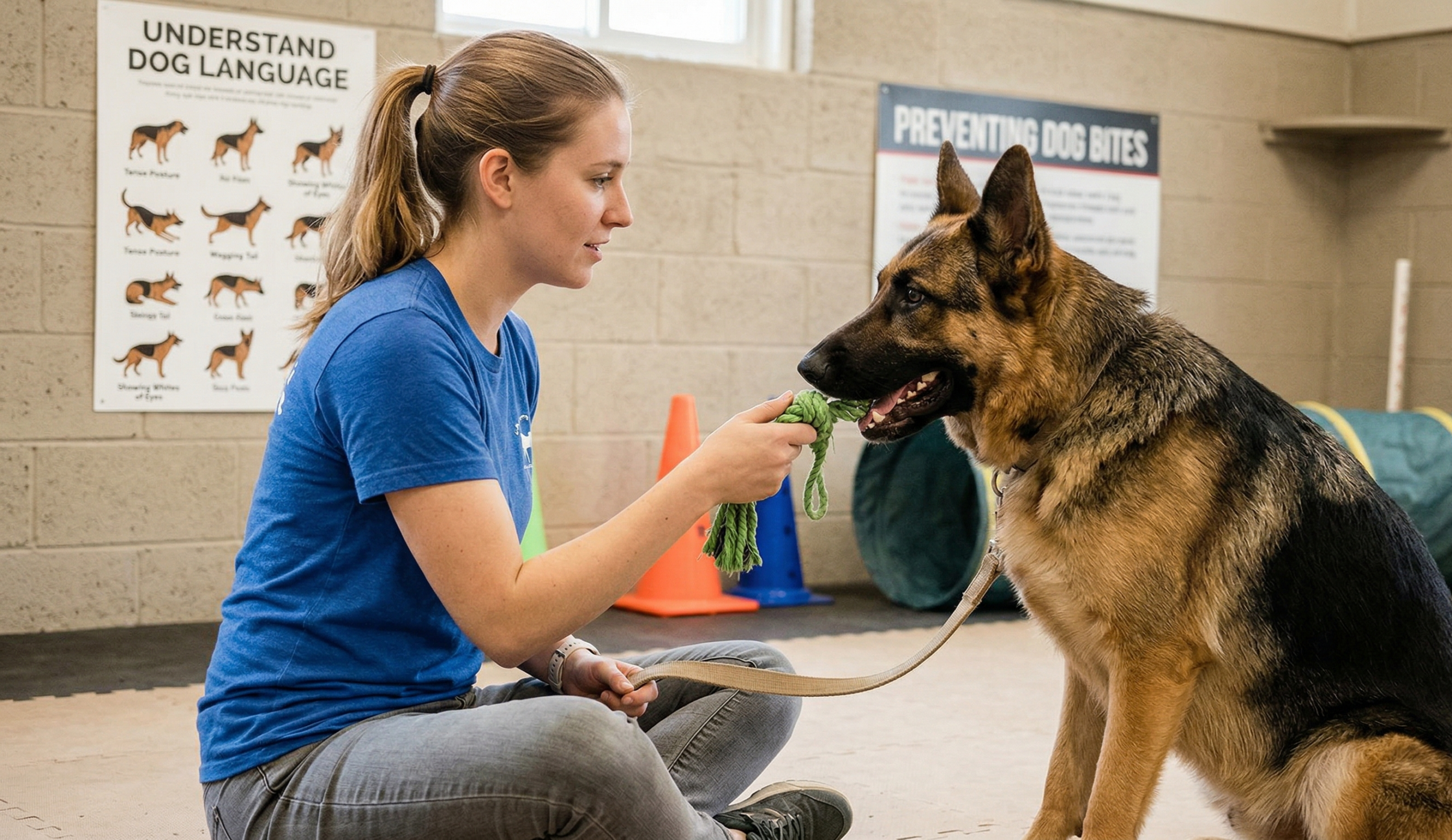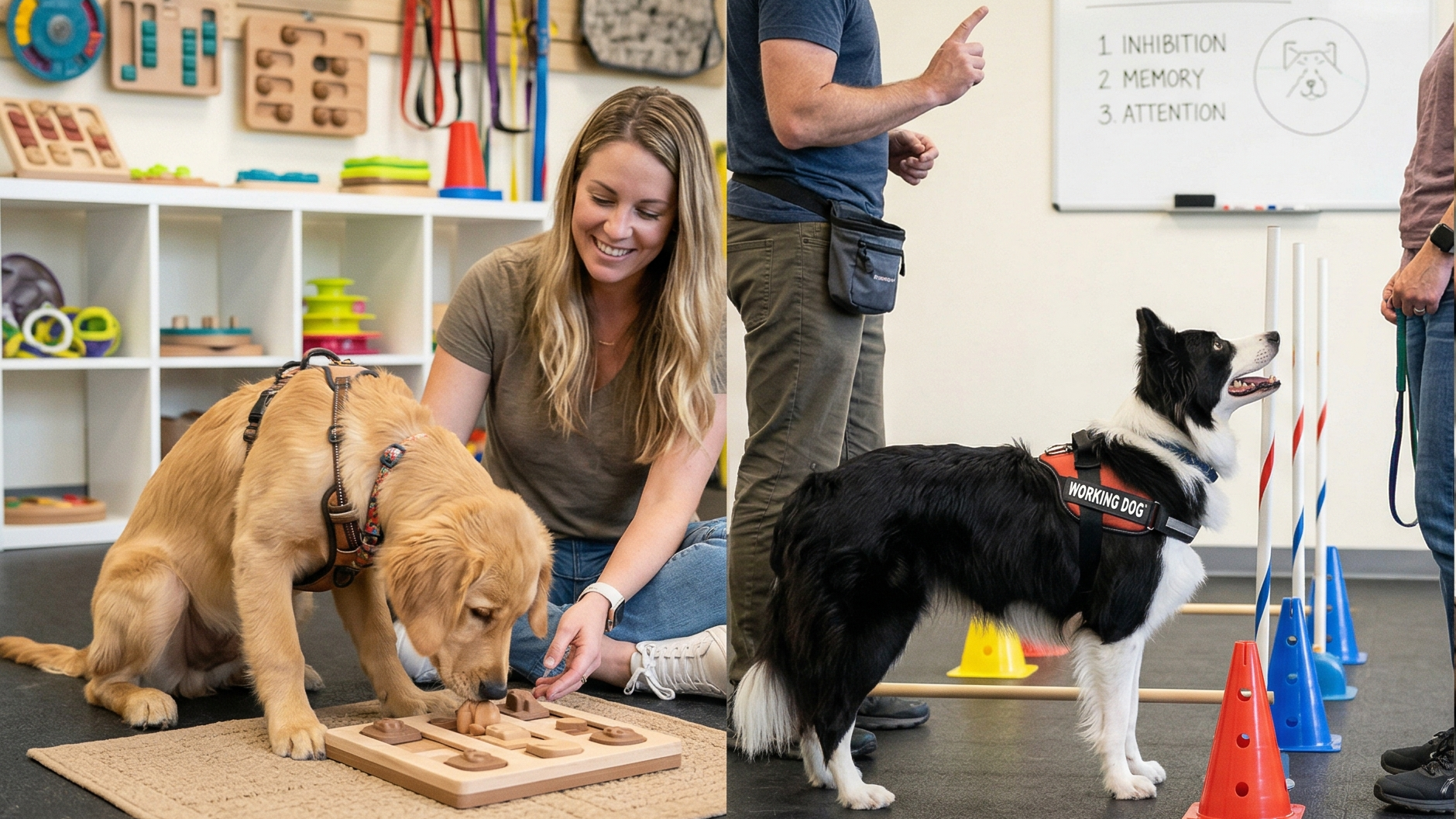


Length of stay is a crucial metric for animal shelters. It affects both adoption rates and shelter resources. Recent studies have identified factors influencing this length. Among them are physical characteristics and behaviors of dogs. This blog discusses the influence of specific behaviors during harnessing and walking on length of stay.
Key Findings on Dog Behaviors
During a study at a New York shelter, 120 dogs participated in 707 walks. Researchers recorded various excitable behaviors such as jumping, grabbing the leash, and pulling. These behaviors had not been extensively measured in shelter dogs before. The results revealed interesting patterns in behavior prevalence.
Prevalence of Behaviors
During harnessing, jumping on handlers was the most prevalent behavior, occurring in 45% of cases. While walking, pulling on the leash reached an astounding 86%. Understanding these behaviors can help shelter staff tailor their training approaches. Knowing which behaviors are common allows for better management of dog interactions.
Demographic Predictors of Behaviors
Dog age emerged as a significant predictor of these behaviors. Younger dogs exhibited more jumping and pulling behaviors than older dogs. This trend highlights the importance of age when assessing a dog’s behavior. Shelter staff should consider age when developing training programs and adoption strategies.
Behavior and Length of Stay
The study found a direct link between certain behaviors and length of stay. Specifically, dogs that grabbed the leash tended to have longer stays. This behavior may indicate anxiety or excitement, affecting their adoptability. Understanding this relationship can help shelters implement effective behavioral interventions.
Implications for Shelter Staff
Shelter staff and volunteers should focus training efforts on younger dogs. Addressing the jumping and leash-grabbing behaviors early can improve adoption rates. Training sessions can target these specific behaviors to enhance the dog’s appeal to potential adopters. A proactive approach may reduce overall length of stay.
Conclusion
The findings from this study show the importance of understanding dog behaviors in shelters. Focusing on specific behaviors and the age of dogs helps shelters improve adoption outcomes. Implementing targeted training strategies can enhance the experience for both dogs and their potential families.