When your feline companion experiences ongoing discomfort, finding gentle ways to help them feel better becomes a top priority. Chronic pain in cats can stem from conditions like arthritis, dental disease, or past injuries. While veterinary care remains essential, several natural approaches can complement traditional treatments.
Environmental Modifications
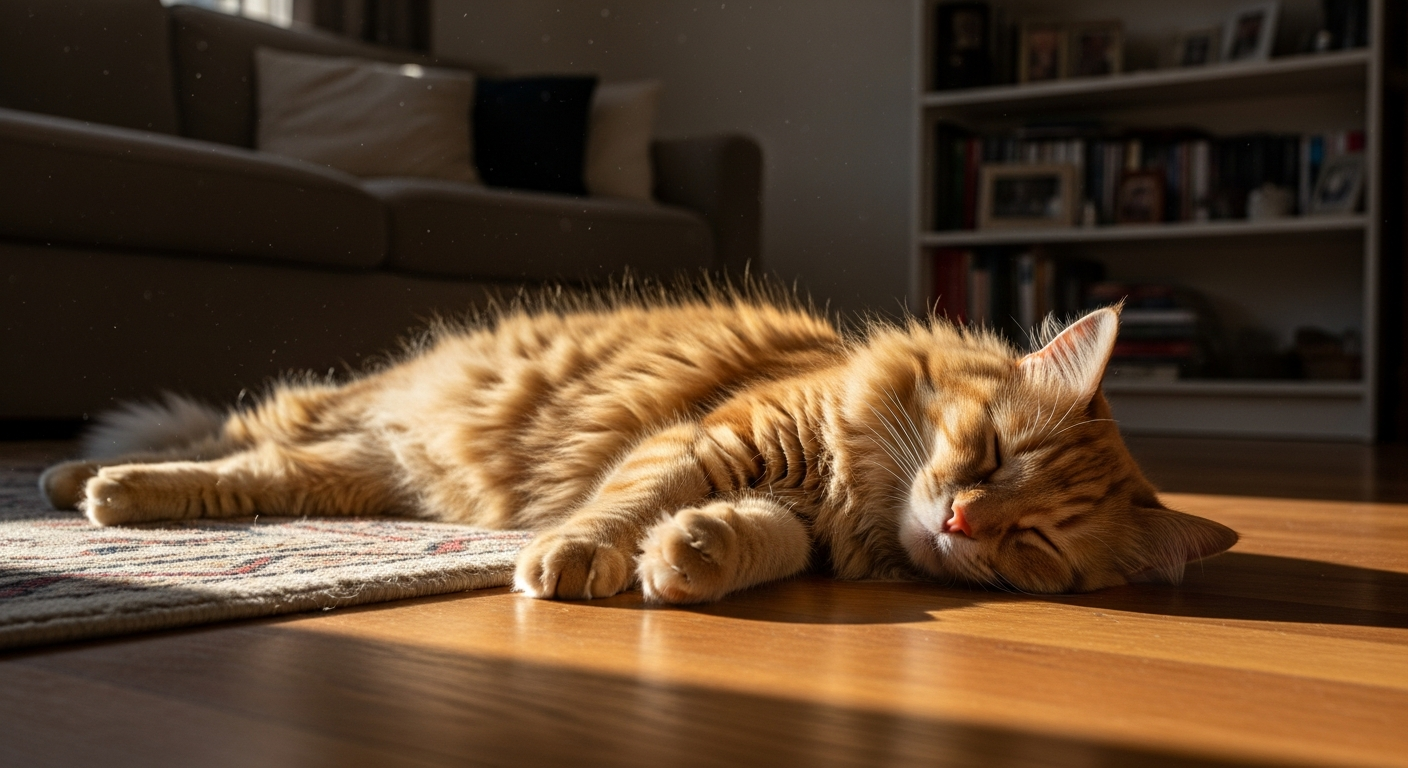
Creating a comfortable living space is one of the most effective ways to help a cat with chronic pain. Consider adding soft, supportive bedding in warm areas of your home. Heated beds or warming pads designed specifically for cats can soothe achy joints and muscles. Make sure food bowls, water dishes, and litter boxes are easily accessible without requiring jumping or climbing. Ramps or steps can help cats reach favorite spots without strain.
Gentle Movement and Exercise
While rest is important, gentle activity helps maintain muscle strength and joint flexibility. Encourage short play sessions with interactive toys that don’t require intense jumping or running. Swimming or water therapy, when available through rehabilitation facilities, provides excellent low-impact exercise. The key is keeping your cat moving without causing additional discomfort.
Massage and Physical Touch
Gentle massage can work wonders for cats experiencing chronic discomfort. Use slow, soft strokes along their body, avoiding areas that seem sensitive. This not only helps relax tense muscles but also strengthens your bond. Some cats also benefit from professional animal massage therapy or acupuncture performed by trained veterinary professionals.
Weight Management
Maintaining a healthy weight reduces stress on joints and improves overall well-being. Work with your veterinarian to establish appropriate feeding amounts and choose high-quality nutrition that supports joint health. Even losing a small amount of excess weight can make a significant difference in your cat’s comfort level.
Supplements and Diet
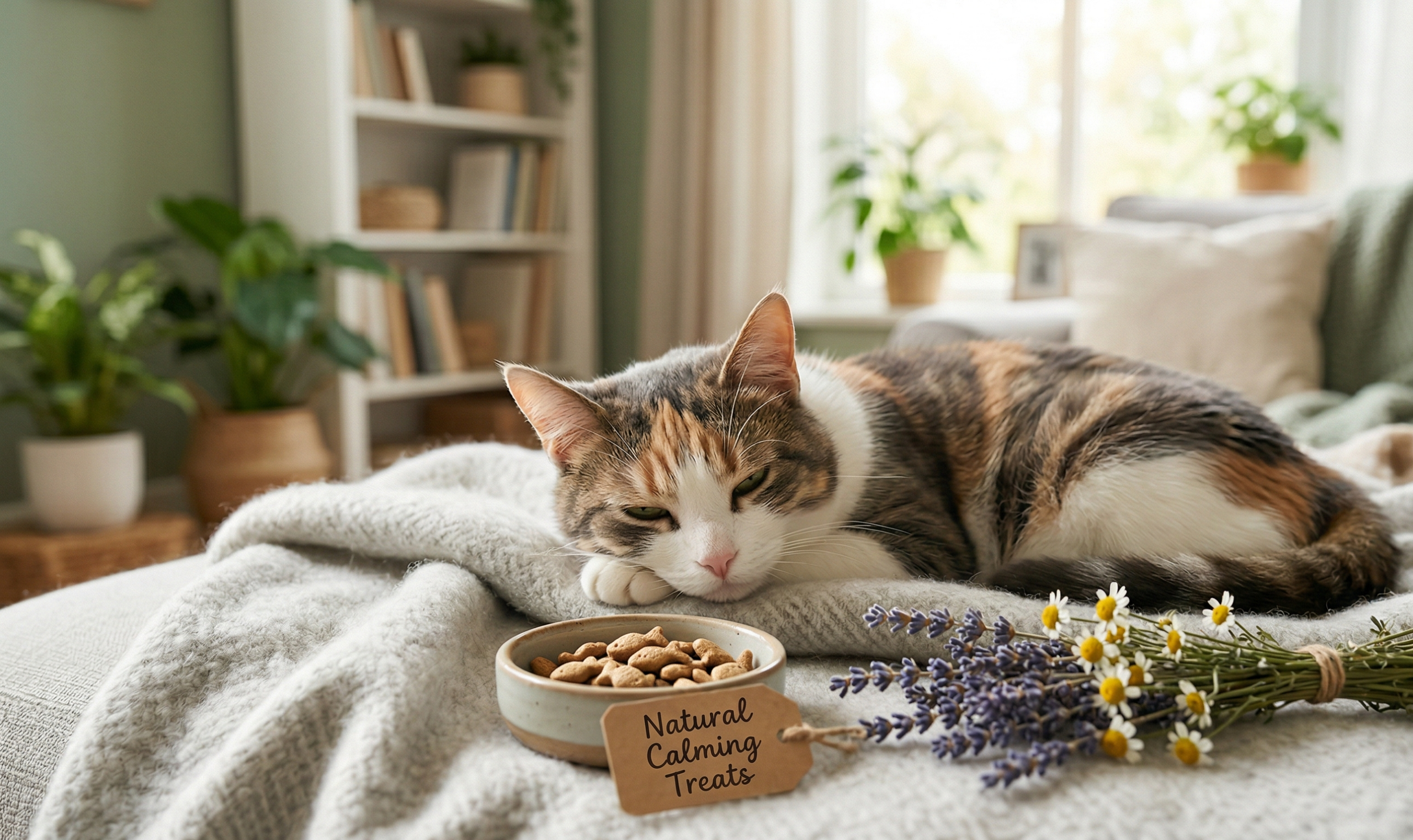
Omega-3 fatty acids, glucosamine, and chondroitin are popular supplements that may support joint health. Always consult your veterinarian before starting any supplements to ensure they’re appropriate for your cat’s specific situation and won’t interact with existing medications.
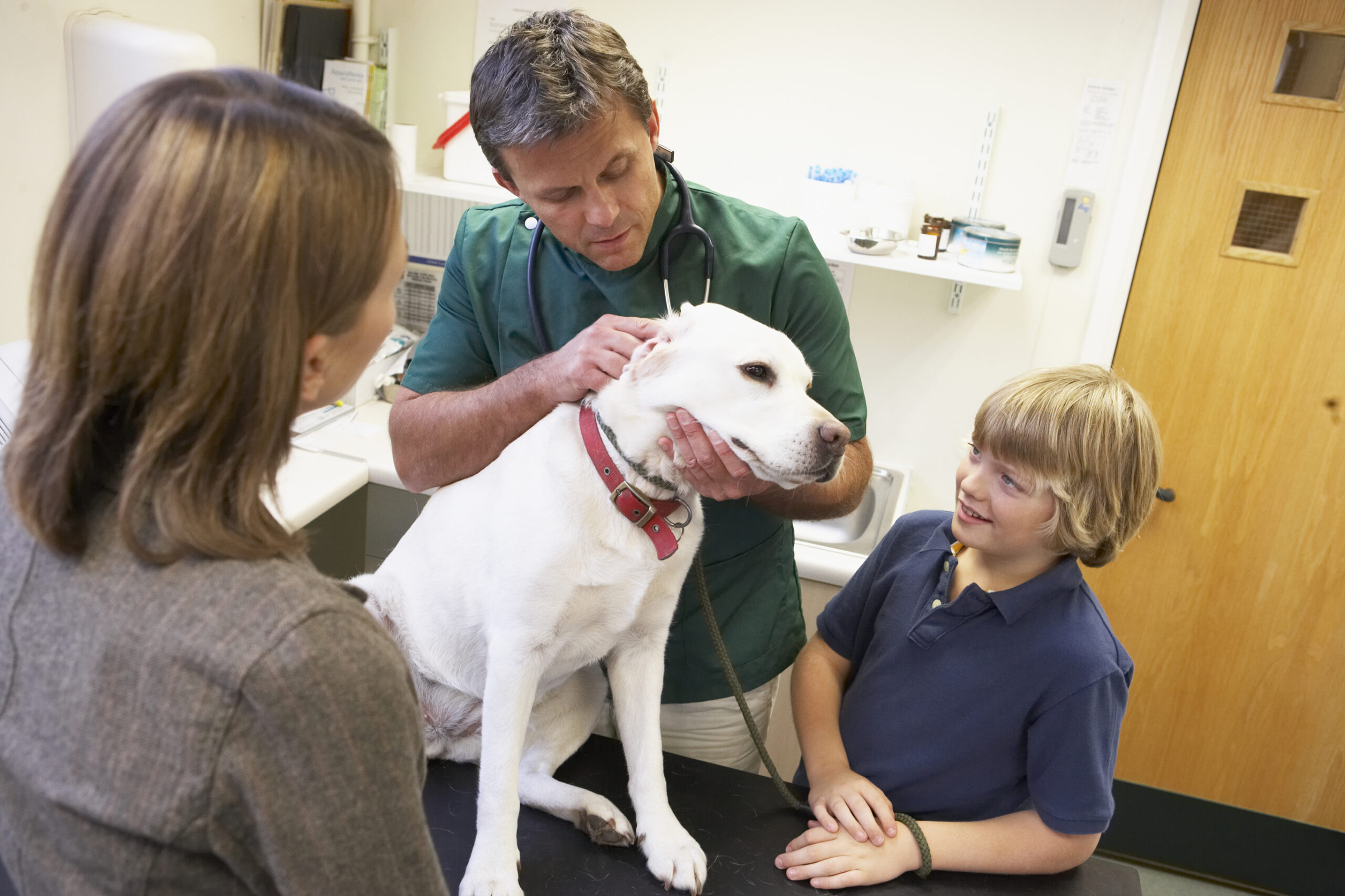
While these natural approaches can provide meaningful support, they work best alongside professional veterinary care. Your veterinarian can diagnose the underlying cause of pain and recommend a comprehensive treatment plan. They might suggest combining these natural methods with medications or other therapies for optimal results. Never hesitate to contact your veterinarian if you notice changes in your cat’s behavior, mobility, or comfort level.