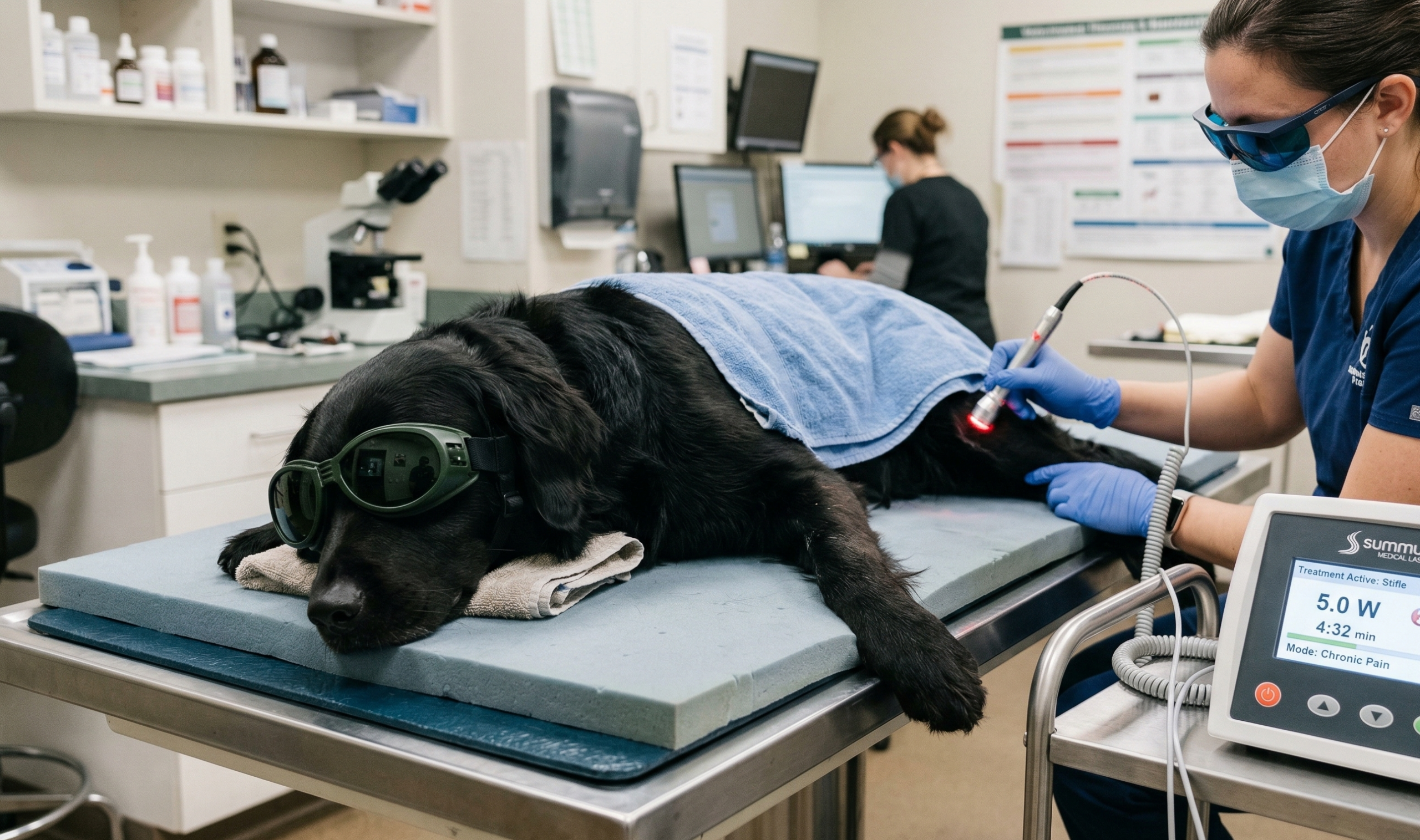
Just like humans, dogs can experience elevated cholesterol levels that may impact their overall health. Understanding how to keep your dog’s cholesterol in check is an important part of providing comprehensive care for your canine companion.
Understanding Canine Cholesterol
Cholesterol is a fatty substance found in your dog’s blood. While dogs naturally have some cholesterol, too much can lead to health concerns. High cholesterol in dogs, called hyperlipidemia, can sometimes occur without obvious symptoms, making regular veterinary check-ups essential for early detection.
Diet: The Foundation of Cholesterol Management
The most effective way to manage your dog’s cholesterol levels starts with their diet. Feeding a balanced, high-quality dog food that’s lower in fat is crucial. Many commercial dog foods are specifically formulated to support healthy cholesterol levels. Look for diets that contain higher fiber content, as fiber can help reduce cholesterol absorption in the digestive system.
Avoid giving table scraps and high-fat treats, as these can significantly contribute to elevated cholesterol levels. Instead, consider offering healthy alternatives like plain vegetables such as green beans or small portions of carrots. These provide satisfying snacks without the extra fat and calories.
Portion Control Matters
Accurately measuring your dog’s food portions is essential. Use a proper measuring cup and ensure portions are level, not heaping. Overfeeding, even with healthy food, can lead to weight gain and elevated cholesterol levels. Your veterinarian can help calculate the appropriate daily caloric intake based on your dog’s age, size, and activity level.
Exercise and Activity
Regular physical activity plays an important role in maintaining healthy cholesterol levels. Daily walks, playtime, and other forms of exercise help your dog maintain a healthy weight and support overall cardiovascular health. Start gradually if your dog isn’t currently active, and slowly increase duration and intensity over time.
Weight Management
Maintaining a healthy weight is directly connected to cholesterol management. Excess weight can worsen cholesterol problems and lead to additional health complications. Your veterinarian can assess your dog’s body condition score and recommend a target weight if needed.
Regular Veterinary Monitoring
Schedule routine blood work with your veterinarian to monitor cholesterol levels, especially if your dog belongs to a breed predisposed to high cholesterol, such as Miniature Schnauzers. Your veterinarian may recommend more frequent testing if your dog has been diagnosed with elevated cholesterol.
Some dogs may have underlying medical conditions that contribute to high cholesterol, requiring specific treatment approaches. Always consult with your veterinarian before making significant changes to your dog’s diet or exercise routine. They can provide personalized recommendations and proper medical management to keep your furry friend healthy and thriving.