

As our cherished canine companions enter their golden years, the vitality they once exhibited can begin to wane. While aging is a natural process, it doesn’t have to translate into muscle deterioration. Muscle maintenance in senior dogs is crucial to their quality of life, and there are effective strategies to help them stay active and healthy in this phase of their lives.
The Importance of Protein
Protein plays a crucial role in maintaining muscle health, particularly in senior dogs. As dogs age, their muscle mass naturally declines, which can lead to weakness and reduced mobility. Prioritizing high-quality protein in their diet helps maintain lean muscle and supports energy levels.
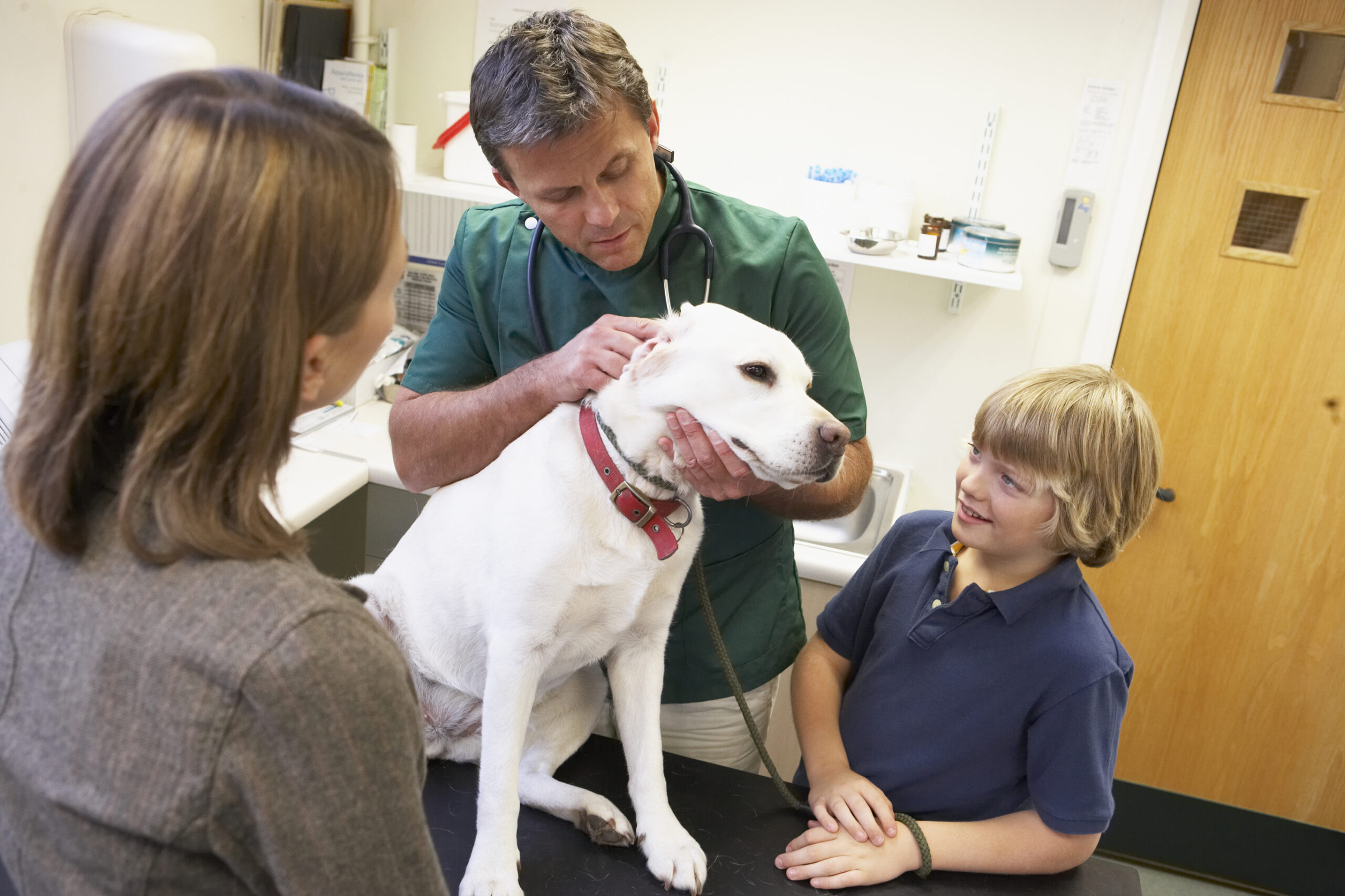
Opt for easily digestible sources, such as chicken, fish, and eggs. Adding protein-rich treats can also be a great way to ensure your furry friend meets their dietary needs. Consulting with a veterinarian about portion sizes and specific protein requirements tailored to your dog’s health is imperative.
The Therapeutic Benefits of Massage
Massage is not merely a luxury; it serves as a vital tool for enhancing muscle maintenance. Gentle, regular massage can alleviate stiffness, improve circulation, and promote relaxation. It allows dogs to experience relief from tension, helping them regain comfort in their movements.
Learn simple techniques to massage your dog at home or consider professional canine massage therapy. Observing your dog’s response during the process can provide delightful moments of connection while contributing significantly to their well-being.
Stretching for Flexibility and Strength
Incorporating stretching exercises into your senior dog’s routine fosters flexibility and joint health. Simple stretches can rejuvenate tired muscles and prevent injuries. Engage your dog in gentle movements, such as encouraging them to reach for treats placed at varying heights. This exercise promotes not only muscle strength but also mental stimulation. Always proceed with caution to ensure your dog feels comfortable and is not in pain. Regularly focusing on stretching activities can greatly enhance their overall movement.
An Engaging Routine for Body and Mind
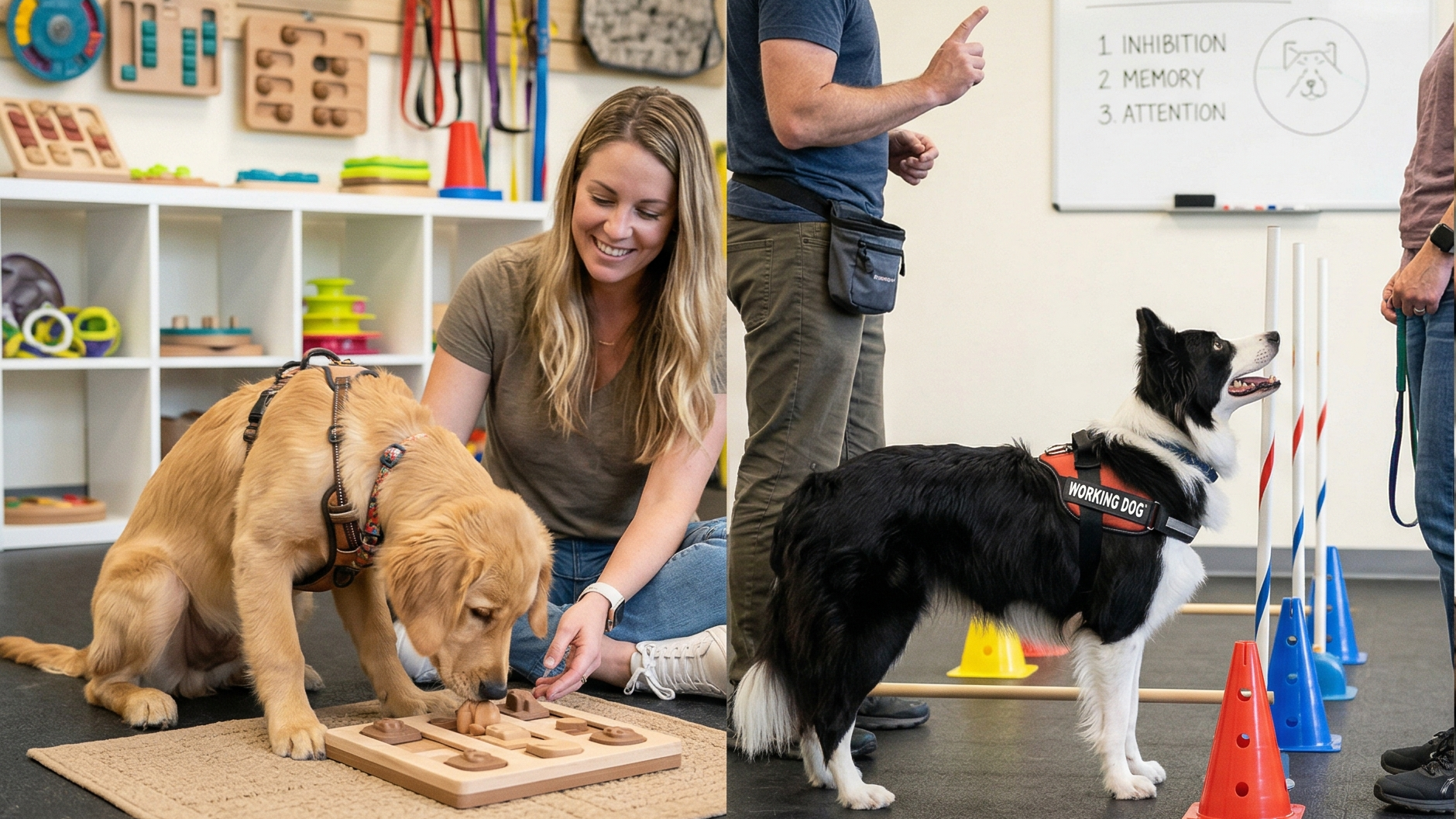
Creating a balanced routine that incorporates protein-rich meals, regular massages, and stretching is essential for maintaining your senior dog’s muscles. Engaging in light, fun activities, such as interactive games and leisurely walks, helps keep their spirits high. Mental stimulation is equally vital; consider puzzle toys to keep their minds sharp and joyful. This holistic approach not only nurtures their bodies but also strengthens the bond between you and your dog.
A Lifelong Journey
Caring for your senior dog is a journey filled with love and learning. Focusing on muscle maintenance through proper nutrition, massage, and movement can help you improve the quality of your life. Witnessing your dog’s joy as they exhibit exuberant vitality will undoubtedly warm your heart. With proactive care and attention, those golden years can shine brightly.
The Role of Supplements in Supporting Muscle Health
In many cases, diet alone may not fully meet the needs of aging dogs. That’s where supplements can offer additional support. Supplements such as glucosamine, chondroitin, omega-3 fatty acids, and branched-chain amino acids (BCAAs) have been shown to enhance muscle strength, reduce inflammation, and support joint function.
Omega-3s from fish oil can help reduce stiffness and improve mobility, particularly. However, it’s essential to consult with your veterinarian before introducing any supplement, as dosages and types should align with your dog’s individual health profile. When used appropriately, supplements can be a powerful addition to your senior dog’s muscle maintenance plan.
FAQs:
How can I tell if my senior dog is losing muscle mass?
Signs include visible thinning in the legs or back, difficulty standing up or climbing stairs, and a decrease in energy or stamina.
Can I exercise my senior dog to help maintain its muscles?
Yes, light to moderate daily exercise, such as short walks, low-impact activities, or gentle swimming, is excellent. Continuously monitor for signs of fatigue or discomfort.
Are there specific dog foods formulated for muscle maintenance in older dogs?
Yes, many senior dog foods are rich in high-quality proteins and contain added nutrients to support muscle and joint health. Look for products labeled “for senior dogs.”
How often should I massage my senior dog?
A few times a week can be beneficial. If they enjoy it and respond well, you can do it daily for 5–10 minutes.
When should I consult a vet about muscle loss?
If you notice rapid muscle loss, difficulty moving, or pain, it’s essential to consult a vet. Muscle wasting can sometimes indicate underlying health conditions.