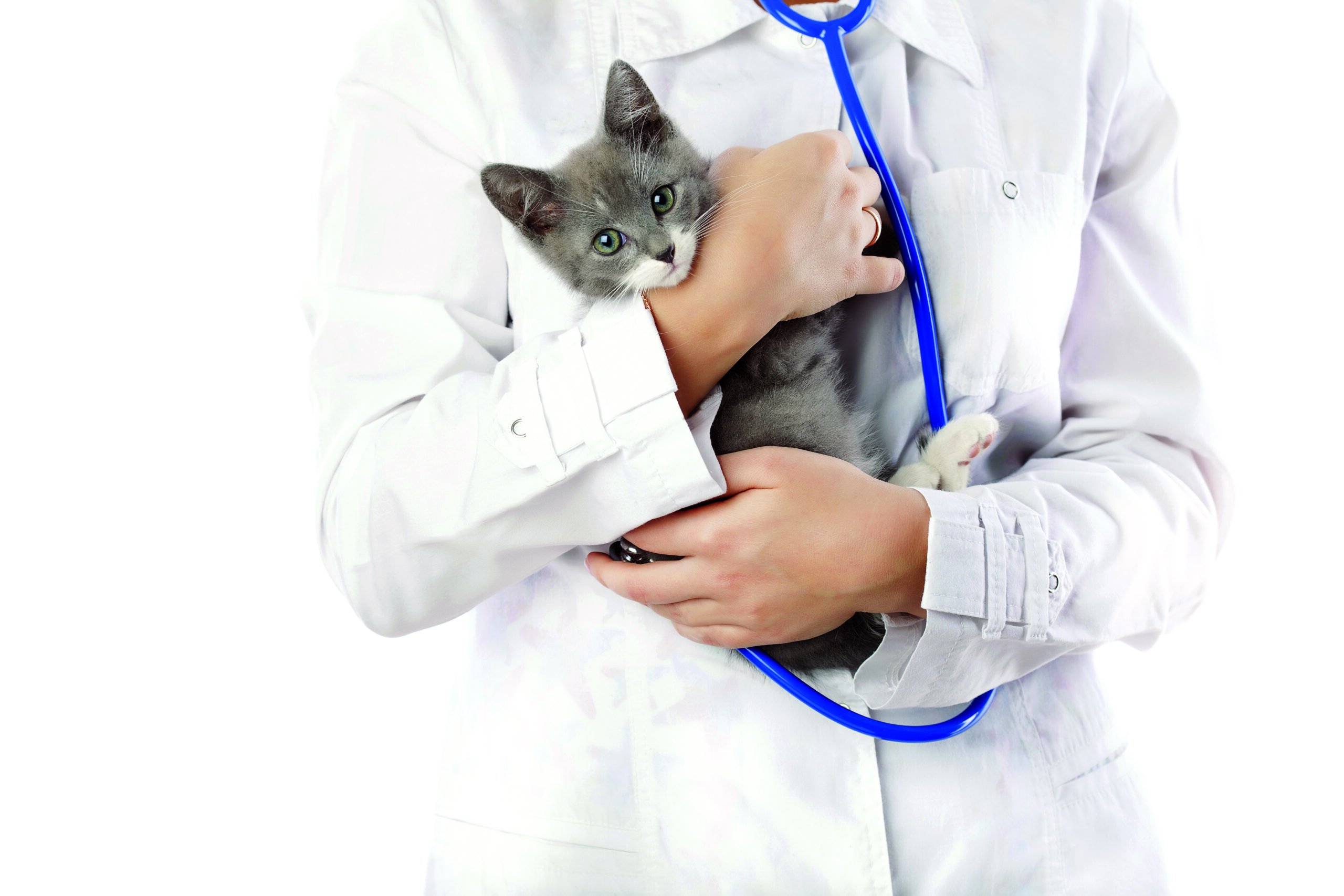
Proper nutrition is the foundation of a healthy life for pets. Just like humans, dogs and cats thrive on fresh, natural foods that provide essential nutrients. Holistic nutrition goes beyond basic feeding. It emphasizes whole, minimally processed ingredients that support long-term wellness. This guide explains how to transition your pet to a natural diet, the benefits of holistic feeding, and practical steps to get started.
What Is Holistic Nutrition for Pets?
Holistic nutrition means feeding pets foods that nourish their entire body, not just filling their stomachs. Unlike commercial kibble with artificial additives, a holistic diet includes fresh meats, vegetables, and healthy fats. The goal is to mimic what animals would eat in the wild while meeting modern nutritional needs.
Key Principles of Holistic Pet Nutrition
- Whole Foods First
Prioritize fresh, unprocessed ingredients like chicken, beef, carrots, and blueberries.
- No Artificial Additives
Avoid synthetic preservatives, colors, and flavor enhancers.
- Species-Appropriate Diet
Dogs need balanced protein and carbs, while cats require high-protein, low-carb meals.
- Digestibility
Foods should be easy to absorb, reducing stomach issues.
Benefits of Natural Holistic Nutrition for Pets
Switching to a natural diet can transform your pet’s health. Many pet owners report noticeable improvements in energy, coat quality, and digestion within weeks.
- Better Digestion & Gut Health
Processed pet foods often contain fillers like corn and soy, which can cause bloating and allergies. Fresh foods are easier to digest, leading to:
- Smaller, firmer stools
- Less gas and stomach upset
- Improved nutrient absorption
- Shinier Coat & Healthier Skin
Essential fatty acids (like Omega-3s from fish oil) reduce dryness and itching. A natural diet helps with:
- Reduced shedding
- Fewer hot spots and rashes
- Softer, glossier fur
- Stronger Immune System
Antioxidants from fruits and vegetables fight inflammation and disease. Benefits include:
- Fewer infections
- Faster recovery from illness
- Lower risk of chronic conditions
- Increased Energy & Vitality
Pets on natural diets often show:
- Higher activity levels
- Better muscle tone
- Improved mental alertness
How to Transition Your Pet to a Holistic Diet
A sudden diet change can upset your pet’s stomach. Follow these steps for a smooth switch:
- Assess Your Pet’s Current Diet
Check ingredient labels for:
- Artificial preservatives (BHA, BHT)
- Meat by-products (low-quality protein sources)
- Excessive grains (corn, wheat, soy)
- Introduce Whole Foods Gradually
- Week 1: Replace 25% of kibble with cooked meat (chicken, turkey).
- Week 2: Increase to 50% whole foods, adding steamed veggies.
- Week 3: Shift to 75% fresh food, reducing kibble further.
- Week 4: Feed 100% natural meals (if no digestive issues).
- Avoid Harmful Foods
Some human foods are toxic to pets:
- For Dogs: Chocolate, grapes, onions, garlic, xylitol.
- For Cats: Alcohol, raw dough, caffeine, dairy (many cats are lactose intolerant).
- Consult a Veterinarian
A vet can:
- Recommend supplements (like taurine for cats).
- Check for allergies.
- Adjust portions based on weight and activity level.
- Sample Holistic Meal Plan for Dogs & Cats
For Dogs:
- Breakfast: Scrambled eggs with spinach & pumpkin.
- Lunch: Cooked ground beef with sweet potatoes.
- Dinner: Baked salmon with steamed green beans.
For Cats:
- Morning: Shredded chicken with liver (small portions).
- Afternoon: Sardines (in water, no salt).
- Evening: Turkey with pureed squash.
Tip: Rotate proteins weekly to prevent nutrient gaps.
Common Mistakes to Avoid
- Changing Diets Too Fast
A slow transition prevents diarrhoea and vomiting. Stick to a 7–10 day plan.
- Ignoring Portion Control
Overfeeding leads to obesity. Follow these general guidelines:
- Dogs: 2–3% of body weight in food daily (e.g., 20-lb dog = 0.4–0.6 lbs).
- Cats: 1.5–2.5% of body weight (adjust for activity).
- Overlooking Allergies
Watch for:
- Itching or redness
- Ear infections
- Loose stools
Common allergens include beef, dairy, and wheat.
Final Tips for Success
- Start Small
Introduce one new ingredient at a time. - Monitor Reactions
Keep a food journal to track changes. - Choose Quality Ingredients
Opt for organic, grass-fed, and wild-caught options whenever possible. - Stay Consistent
Long-term benefits come from steady, balanced feeding.
Take the First Step Toward a Healthier Life for Your Pet
At Animal Wellness Academy, we believe every pet deserves a life full of energy, comfort, and joy, starting with proper nutrition. Whether you’re just learning or looking to deepen your knowledge, we’re here to support you. Explore our expert resources, holistic feeding guides, and pet wellness insights designed to help you make confident, informed choices.
Visit animalwellnessacademy.org today and begin your journey toward natural, balanced nutrition for your furry companion!
Frequently Asked Questions
How long does it take to see improvements in my pet’s health after switching to a holistic diet?
Most pet owners notice positive changes within 2–4 weeks, including better digestion, shinier coats, and increased energy. However, some benefits (like reduced allergies or weight management) may take 2–3 months of consistent feeding.
Is a raw food diet the same as holistic nutrition?
Not necessarily. Holistic nutrition focuses on whole, nutrient-dense foods, which can include cooked or raw meals. A raw diet (BARF or prey model) is one approach, but holistic feeding can also involve gently cooked meats, steamed veggies, and balanced supplements.
Can I mix kibble with fresh food?
Yes, but gradually. Sudden changes can upset digestion. Start with 75% kibble + 25% fresh food, then slowly adjust ratios over 2–4 weeks. Avoid mixing kibble with raw meat (different digestion rates may cause stomach issues).
Do I need to add supplements to a homemade holistic diet?
Sometimes. While fresh foods provide most nutrients, pets may need:
- Omega-3s (fish oil for skin/coat)
- Probiotics (for gut health)
- Taurine (essential for cats)
Consult a vet or pet nutritionist for personalized advice.
Conclusion
Switching to holistic nutrition can significantly improve your pet’s health. By focusing on fresh, natural foods and avoiding harmful additives, you support their digestion, immunity, and energy levels. Always consult a vet before making major dietary changes, and observe your pet’s response closely. With patience and the right approach, you’ll help your furry friend live a longer, happier life.