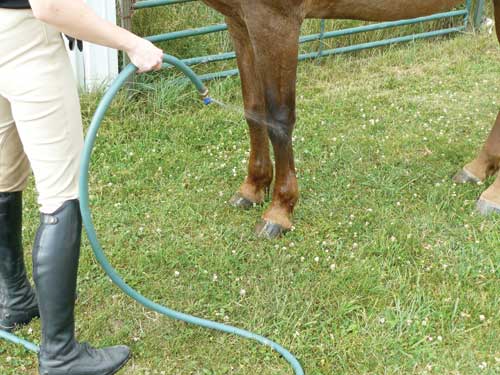
Depending on where you live, you’re more likely to bathe and hose off your horse in summer and early fall. It is possible to keep your horse cool without damaging the hooves through this wet-dry cycle. Horse’s hooves, as well as human skin, have a layer of dermal tissue that contain compounds called phospholipids. These compounds have a segment that repels water and a segment that attracts water. Phospholipids also allow the penetration of oxygen. Therefore, the use of a product that contains phospholipids to allow the hoof to repel water in wet conditions and conserve water in dry conditions is recommended. Most importantly, do not use products on your horse’s hooves you would not use on your own hands. That includes products that prevent oxygen from passing through the hoof wall. When oxygen is ‘sealed out’ from a non-sterile area it creates a perfect environment for hoof destroying anaerobic micro-organisms. Avoid caustic materials such as formalin (formaldehyde), iodine crystals, copper sulfate and solvents such as acetone and turpentine. You should also avoid greasy products that block oxygen.
Phospholipids
- Categories: Horse Health, Horses
-
AW ACADEMY is a natural extension of our 25 years of experience publishing Animal Wellness, Equine Wellness and Innovative Veterinary Care Journal. We believe that everyone has a responsibility to care for animals to the best of their ability utilizing the most natural and minimally invasive means possible. We feel strongly that it’s better to promote a preventative healthy lifestyle for our pets instead of taking a wait-and-see approach. We also fiercely advocate for the quality of animals’ lives, supporting animal rescues and welfare organizations both financially and through our editorial.
View All Posts
Related Articles
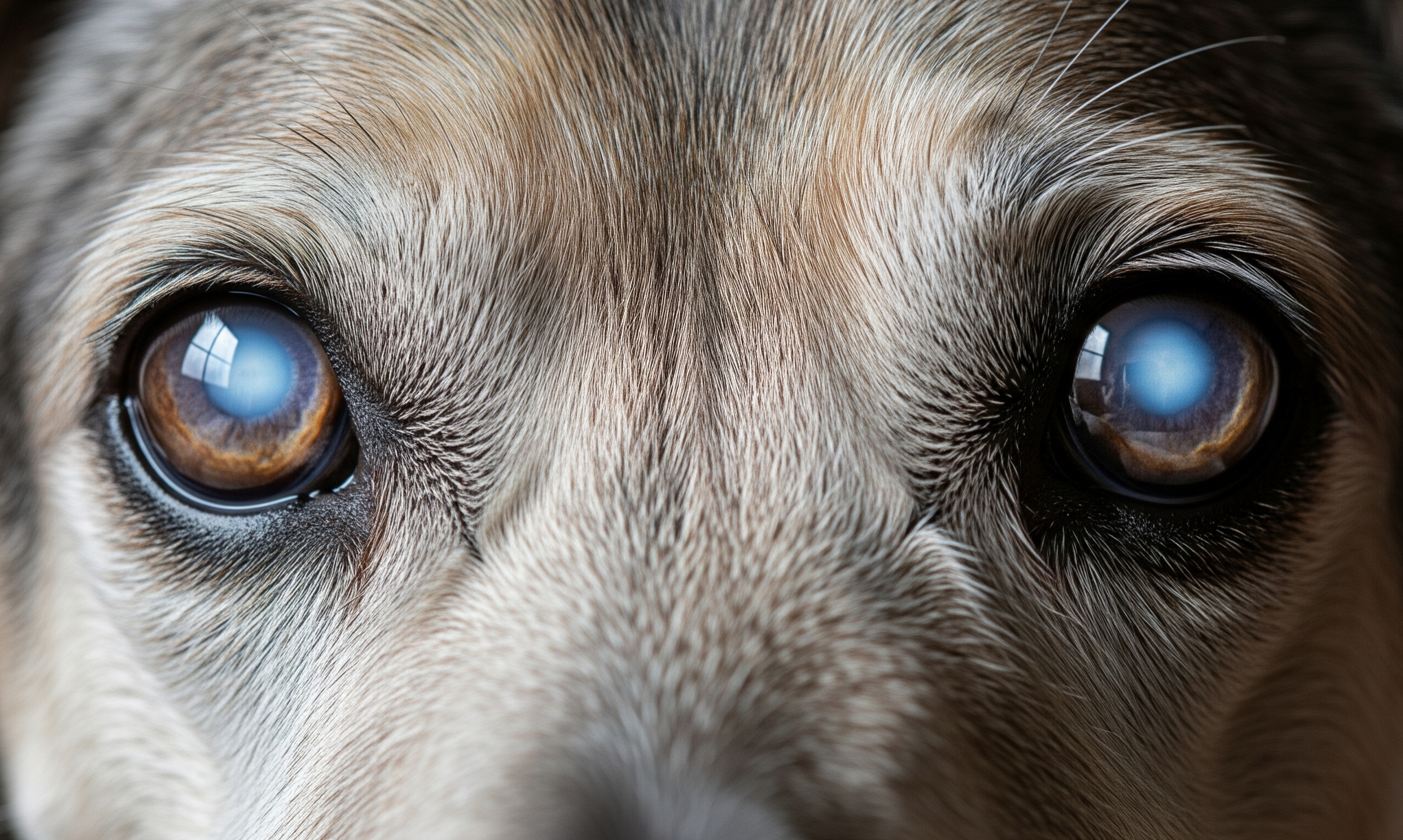
Progressive Retinal Atrophy (PRA) is a group of inherited eye conditions that can affect your canine companion. Understanding this disease
Food therapy strategies for managing chronic diarrhea in dogs with SIBO and IBD — dietary principles, key ingredients, and integrative
If you share your home with a cat, you’ve probably watched in disbelief as they deliberately push your phone, keys,
Low level laser therapy uses violet, green, red, and infrared wavelengths to reduce pain, support healing, and enhance cellular function
Recent research highlights the growing interest in bacteriophages, or phages, as potential alternatives to traditional antibiotics in veterinary settings. This