

Hypertension is a common complication of CKD in dogs, and managing both conditions simultaneously can be challenging. Despite the availability of antihypertensive agents, many canine patients struggle to achieve target blood pressure levels and avoid hypertensive target organ damage. This makes room for alternative treatments, including combination therapies involving herbal remedies and conventional medications.
The Promise of Captopril and Gedan Jiangya Decoction Combination
A recent study investigated the potential of combining Captopril (CAP), an ACE inhibitor, with Gedan Jiangya Decoction (GJD), a TCM herbal preparation known for its antihypertensive effects. The research aimed to assess the antihypertensive, kidney protective, antioxidant, and vasoactive effects of this combination in spontaneously hypertensive rats (SHR).
Methodology and Key Findings
The study employed a comprehensive approach, including regular monitoring of systolic and diastolic blood pressure (SBP and DBP), body weight, histopathological examination, and molecular analysis techniques such as ELISA, immunohistochemistry, and qRT-PCR. The results were promising, showing significant reductions in SBP, DBP, and aortic wall thickness, along with improved renal tissue health in the GJD + CAP treatment group.
Molecular Mechanisms and Biochemical Changes
The combination therapy led to increased serum levels of nitric oxide (NO), superoxide dismutase (SOD), glutathione peroxidase (GSH-Px), and catalase (CAT), while decreasing angiotensin II (Ang II), endothelin-1 (ET-1), and malondialdehyde (MDA). Moreover, GJD + CAP treatment significantly reduced ET-1 and AGTR1 mRNA and protein expression while increasing eNOS mRNA and protein expression in thoracic aorta and kidney tissue.
Implications for Canine Hypertension and Chronic Kidney Disease
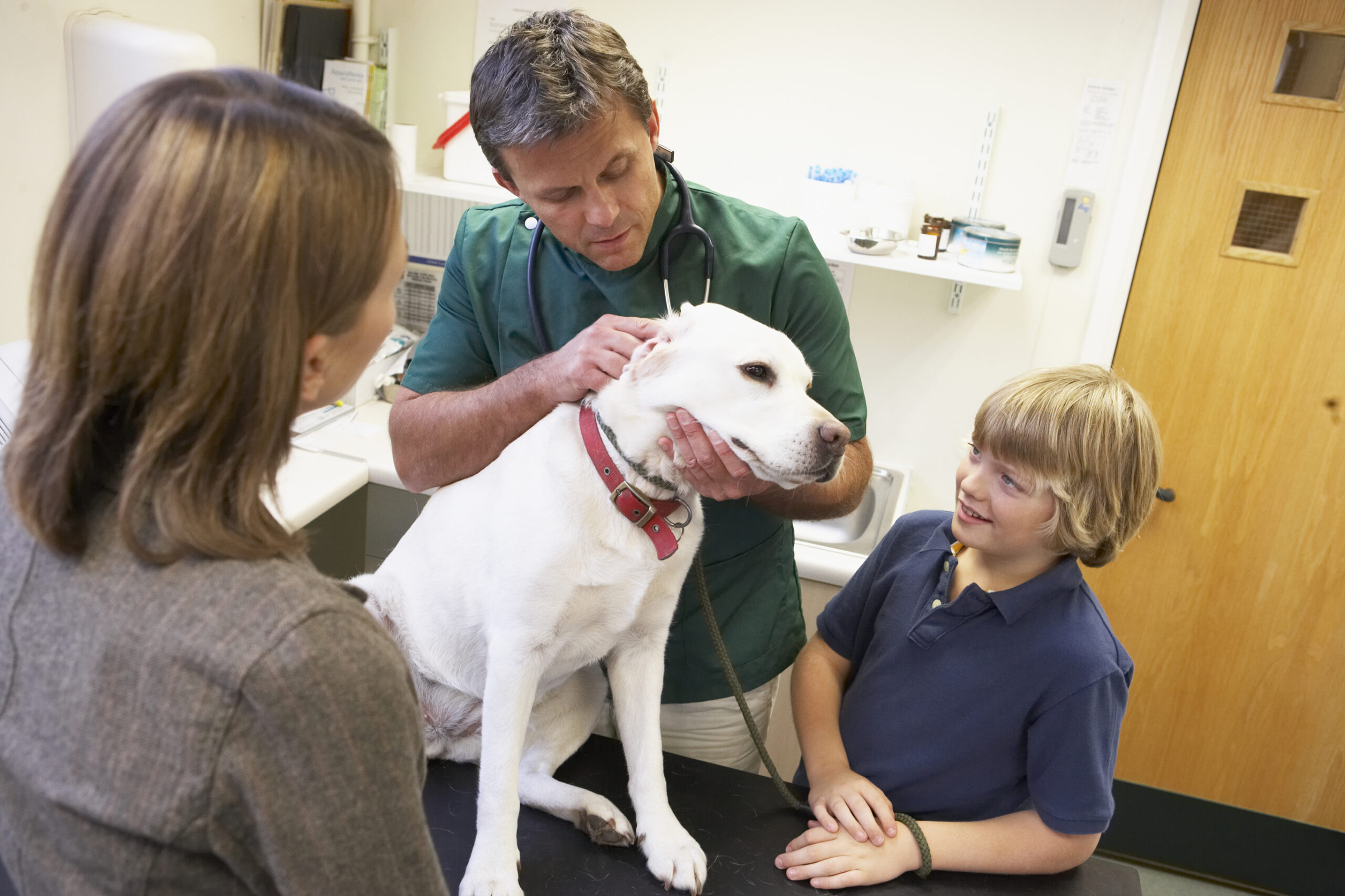
While this study was conducted on rats, its findings have profound implications for veterinary medicine, particularly in the management of hypertension and chronic kidney disease (CKD) in dogs. Hypertension is a common complication of CKD in dogs, and managing both conditions simultaneously can be challenging.
The demonstrated antihypertensive and renoprotective effects of the GJD + CAP combination suggest a potential avenue for developing more effective treatments for canine patients. The improvement in vascular tone and antioxidant status could be particularly beneficial in dogs with CKD-associated hypertension, potentially slowing disease progression and improving quality of life.
Herbal remedies like GJD should have a thorough safety and efficacy testing in dogs. The study’s insights into the molecular mechanisms of blood pressure regulation and renal protection could inform future research and drug development specifically tailored for canine patients.
Conclusion and Future Directions
This study highlights the potential of combining conventional antihypertensive medications with herbal remedies to enhance therapeutic outcomes. For veterinary medicine, it opens up new avenues for research into innovative treatments for hypertension and CKD in dogs. As we continue to face challenges in managing these conditions in our canine patients, exploring synergistic combinations of traditional and alternative therapies may lead to more effective approaches to treatment. Further research specifically targeting canine physiology and pathology will be crucial in translating these promising findings into practical veterinary applications.