If you’re a cat parent who loves beautiful greenery, you’ve probably worried about whether your plants are safe for your feline friend. This concern is completely valid, as many common houseplants can cause serious health problems for cats. Let’s explore some safe options that will let you enjoy both your plants and your furry companion worry-free.
Why Plant Safety Matters
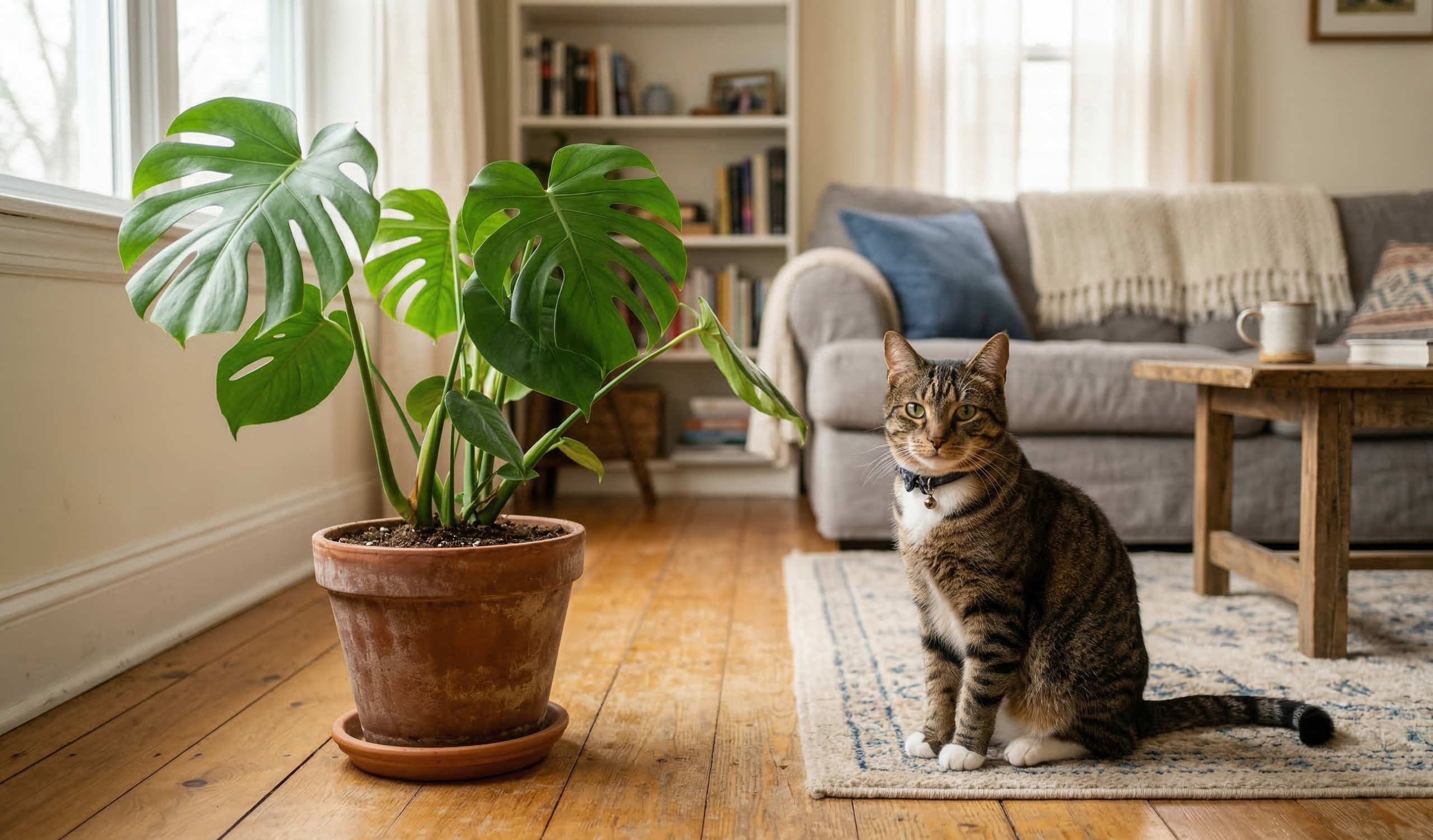
Cats are naturally curious creatures who love to nibble, chew, and explore everything in their environment. Unfortunately, many popular houseplants contain toxic substances that can harm cats. Some plants, like lilies, are extremely dangerous and can cause severe kidney damage even from small exposures. Other plants may cause uncomfortable symptoms like vomiting, diarrhea, or mouth irritation. This is why choosing the right greenery is so important for cat guardians.
Safe Plant Options for Your Home
Thankfully, there are plenty of beautiful, non-toxic plants you can safely display around your feline family members. Spider plants are excellent choices—they’re easy to care for and completely safe, though some cats enjoy playing with their dangling leaves. Boston ferns add gorgeous greenery without any risk, though they need regular watering and humidity.
Areca palms bring a tropical feel to any room and pose no danger to curious cats. Calatheas offer stunning patterned leaves in various colors and are perfectly safe. If you enjoy herbs, catnip, cat grass, and cat thyme are specifically grown for feline enjoyment and provide enrichment while being completely harmless.
Other safe options include African violets, which add colorful blooms, and ponytail palms, which are nearly indestructible. Prayer plants, peperomias, and certain orchids (like Phalaenopsis) also make the safe list.
Important Reminders
While these plants are considered non-toxic, eating large amounts of any plant material can still cause mild stomach upset in some cats. Always monitor your cat’s behavior around plants, and if you notice any unusual symptoms like vomiting, diarrhea, lack of appetite, or changes in behavior after plant contact, contact your veterinarian immediately.
If you’re ever unsure about a specific plant’s safety or if your cat shows signs of illness, always consult your veterinarian for personalized guidance. They can provide the best recommendations for keeping your whiskered companion healthy and safe. Creating a cat-safe home with beautiful plants is absolutely possible with the right knowledge and choices