
Cats are complex creatures, and their behaviors often reflect their environment. Recent research has revealed fascinating insights into how seasonal changes and weather conditions affect the activities of our feline friends. This knowledge about seasonal influence on cat behavior is not only intriguing but also practical for enhancing the well-being of cats in various settings.
How Sunlight Affects Mood and Sleep Patterns in Cats
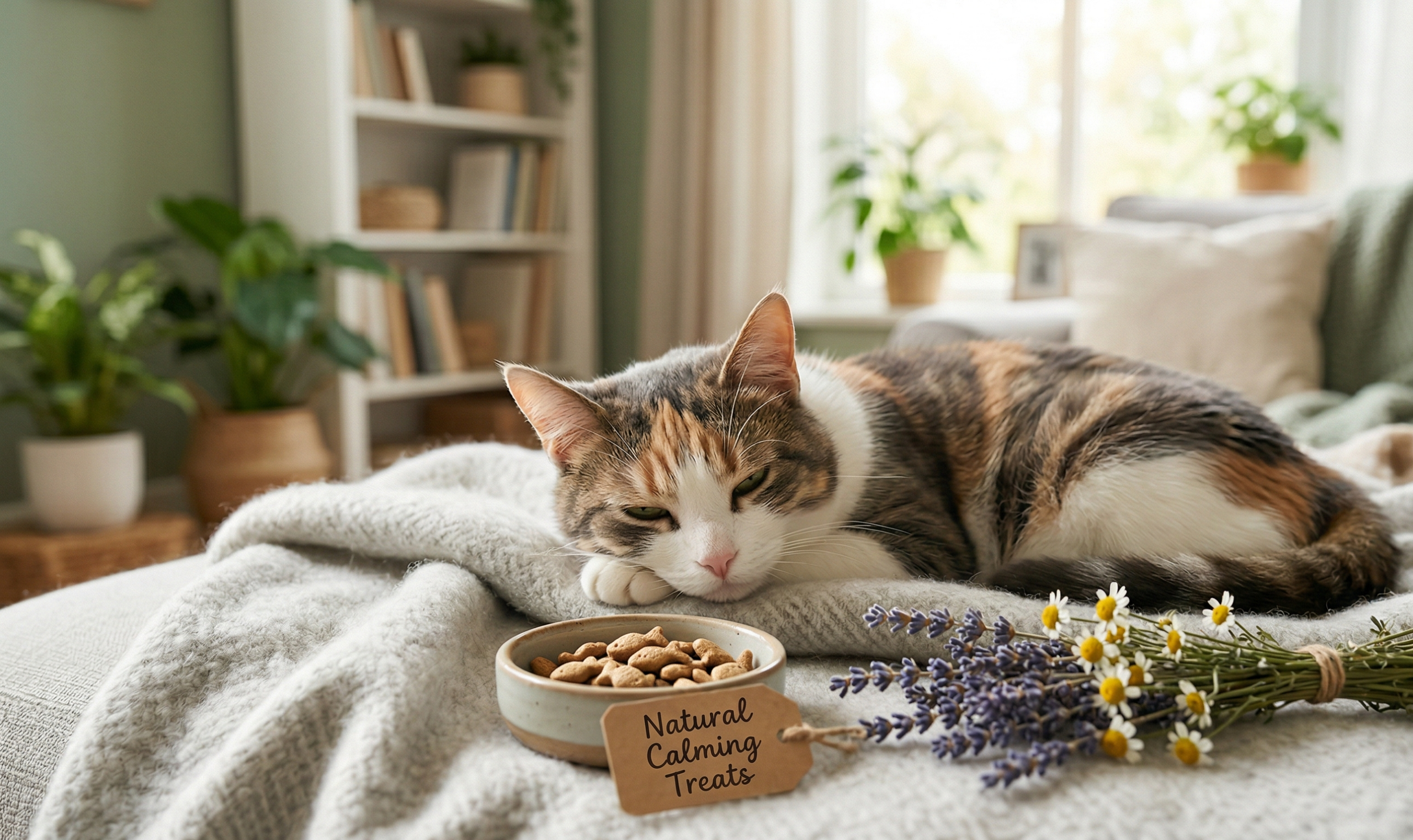
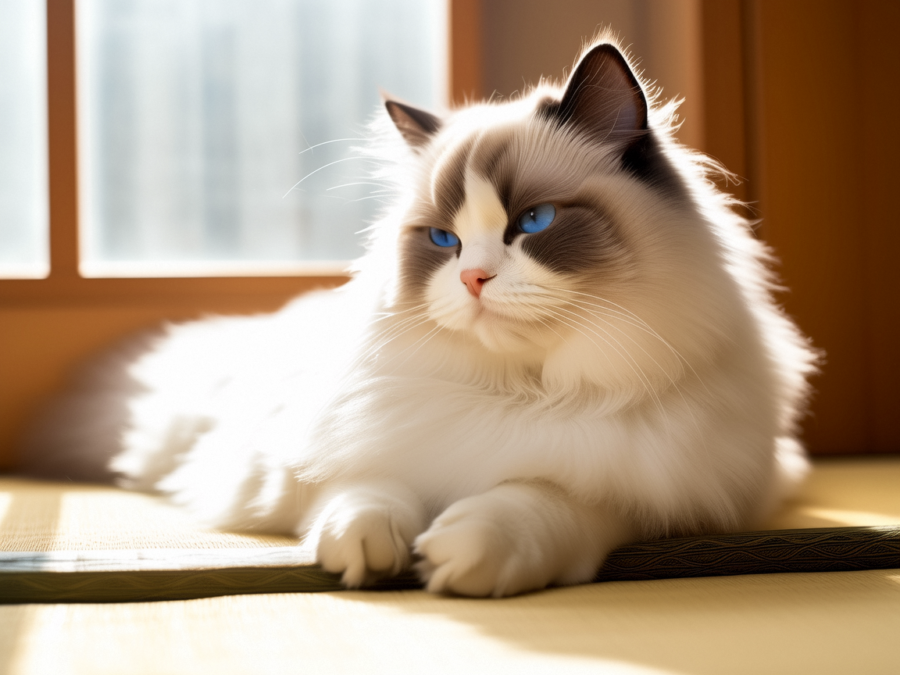
Just like humans, cats are influenced by sunlight exposure. More daylight often results in extended nap times and changes in mood. Cats may appear more relaxed and calm during sunny seasons, while shorter, darker days can lead to lethargy or slight mood shifts. Understanding this connection can help pet owners maintain a stable routine that supports healthy sleep and emotional balance.
Indoor vs. Outdoor Cats: Who’s More Affected by Weather?
Indoor cats experience weather differently from outdoor cats. While indoor cats are shielded from direct climate changes, they still respond to light and temperature shifts in the home. Outdoor cats, however, may alter their routines entirely based on weather, seeking shelter in storms or sunbathing on warm days. Tailoring care to your cat’s lifestyle can make a big difference in their comfort and health.
The Impact of Seasons on Daily Activities
Through an extensive study involving accelerometer data from seven cats over 13 weeks, researchers observed significant seasonal variations in behaviors like eating, grooming, and lounging. As temperatures rise and daylight increases, cats tend to spend more time eating, lying down, and standing. Conversely, these conditions result in decreased activity levels and grooming behaviors. Understanding these patterns can help cat enthusiasts anticipate their pets’ needs throughout the year.
Weather Conditions Matter: What the Data Shows
A higher temperature-humidity-wind index significantly influences how cats behave. During warmer months, for instance, cats exhibit a desire to eat and rest more while becoming less active. Rainy weather poses another challenge; findings indicate that wet conditions lead to reduced grooming and scratching behaviors. This information emphasizes the importance of being attentive to how weather impacts your cat’s daily life.
Practical Tips for Cat Care
Recognizing these weather-related behaviors aids in better cat care. During warmer and longer days, consider adjusting feeding times or engaging your cat with more interactive play sessions earlier in the day when they might be more active. For rainy days, ensure your feline has enough stimulating activities to prevent boredom, as they may not feel inclined to groom or scratch as much.
Preparing for Seasonal Changes
As seasons shift, cat enthusiasts should be proactive. If increased grooming is observed during certain times, it may be beneficial to schedule more frequent brushing sessions. This not only helps manage shedding but also fosters a stronger bond between you and your cat. Additionally, adjusting the environment to accommodate their needs—such as providing cozy resting spots during cold months—can enhance their overall comfort and happiness.
Strengthening Your Connection
Understanding how weather influences your cat’s behavior allows for a deeper connection. Being mindful of these changes makes cat parents create a nurturing environment tailored to their feline friends. Engaging with your cat during peak activity times or providing comfort during quieter periods can lead to a happier, healthier life together.
FAQs:
Do cats really change their behavior based on the weather?
Yes, cats often adjust their routines depending on weather conditions. Warmer temperatures may make them more relaxed and sleepy, while rainy days can lead to less grooming and more resting.
Are indoor cats affected by seasonal changes like outdoor cats?
Even though indoor cats are not directly exposed to outdoor weather, they still respond to changes in daylight, humidity, and temperature inside the home.
Should I change my cat’s routine with the seasons?
Yes. Adjusting feeding, playtime, and grooming routines based on the season can help keep your cat happy and healthy year-round.
Why does my cat groom less during rainy or humid days?
Rain and humidity can affect a cat’s comfort and mood. They may feel less motivated to groom or move around when the environment feels heavy or damp.
How can I help my cat during extreme weather conditions?
Offer cozy, warm spaces during colder seasons and cool, shaded areas during the heat. Also, make sure they have access to clean water and fun indoor activities during bad weather.
Final Words
Cats may seem mysterious, but their behavior often follows natural patterns influenced by the world around them. By understanding how weather and seasons affect your cat, you can adapt your care routine to meet their changing needs. Whether it’s offering more playtime during active months or creating cozy spaces during colder days, small adjustments can lead to a big improvement in your cat’s quality of life. Stay observant, stay flexible, and above all, enjoy every season with your feline companion by your side.