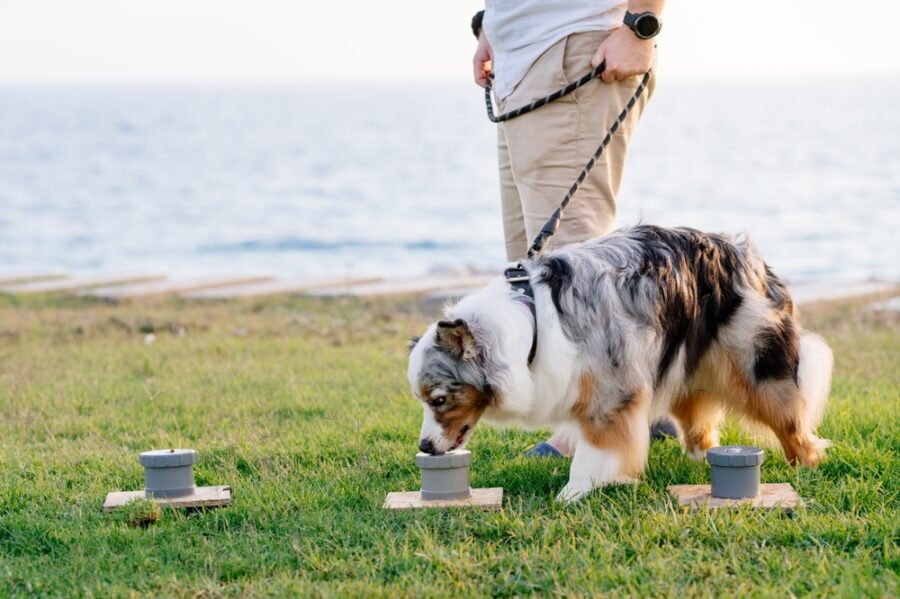
Shedding light on the remarkable capabilities of the canine sense of smell.
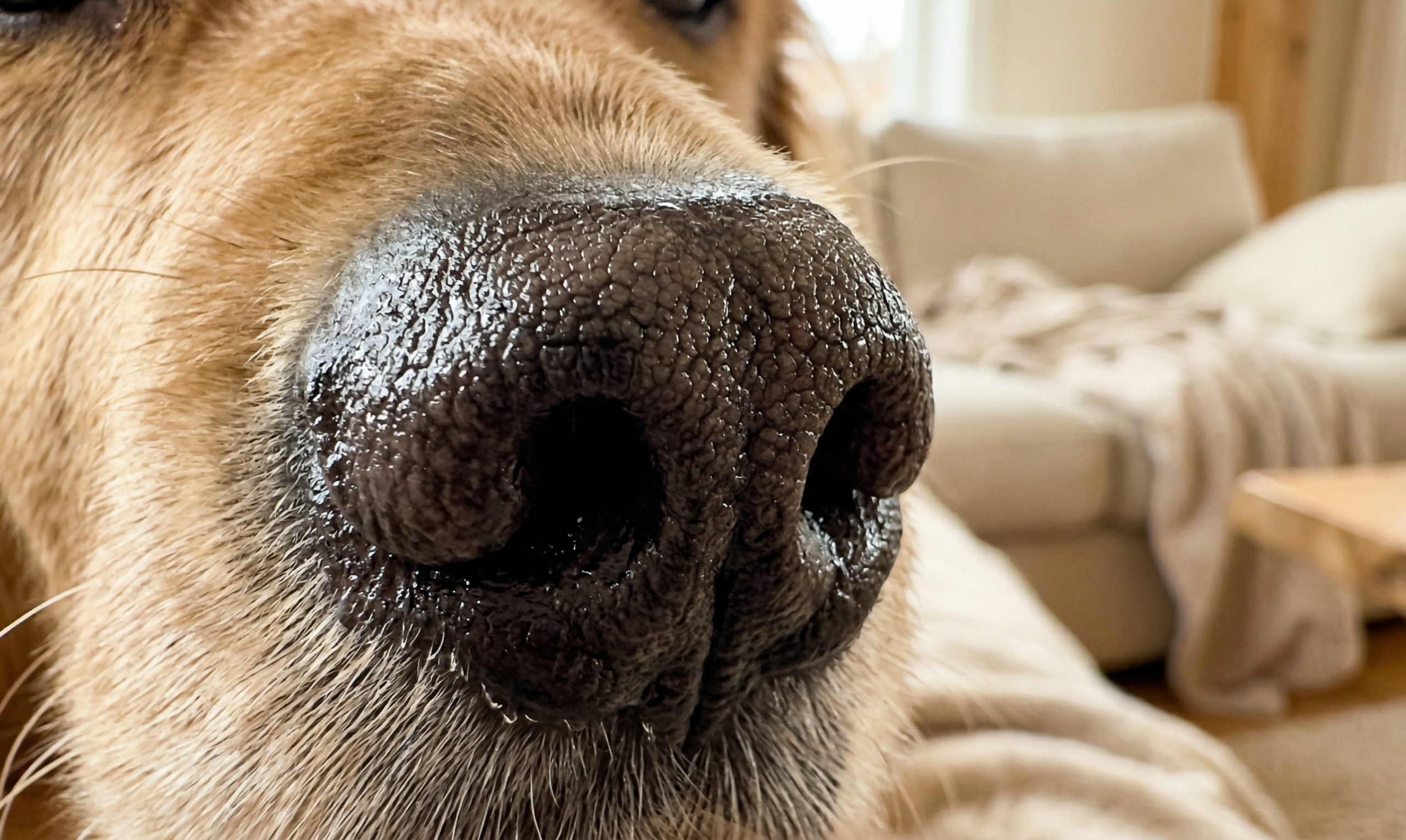
Dogs possess an extraordinary sense of smell that far surpasses that of humans, owing to their unique anatomy and physiology. This remarkable ability enables them to detect and differentiate between very low concentrations of odor molecules, making them invaluable allies in various fields, including search and rescue, detection work, and canine sports.
Exploring Scent Detection Thresholds
A recent study determined the lowest concentration of Eucalyptus hydrolat detectable by trained dogs. Eucalyptus hydrolat was chosen for its relevance in “nose work,” a canine scent training sport. The research aimed to ascertain the scent detection threshold of dogs by progressively diluting the hydrolat until dogs could no longer identify it.
Canine Detection Success
The study yielded fascinating results, demonstrating that dogs trained to respond to Eucalyptus hydrolat could detect the scent even when it was diluted to remarkably low ratios. Dogs successfully identified the hydrolat at concentrations ranging from 1:1017 to 1:1021, highlighting their exceptional olfactory acuity and ability to discern minute traces of scent.
Analyzing Hydrolat Variations
In addition to assessing canine olfactory sensitivity, the study utilized analytical spectroscopy to analyze the contents of ten commercial Eucalyptus hydrolats. This analysis revealed variations in the ingredients of these hydrolats, emphasizing the importance of consistency in scent sources for effective dog training.
Training Implications
The findings underscore two crucial points regarding canine scent detection training. Firstly, with appropriate training, dogs can learn to identify extremely low concentrations of scent, showcasing the depth of their olfactory capabilities. Secondly, the consistency of the scent source is paramount in training dogs for various purposes, including canine sports and olfactory research.
Applications in Canine Sports and Research
The insights gained from this study have significant implications for canine sports such as “nose work,” where dogs must accurately detect specific scents amid various distractions. Consistency in scent sources ensures fair competition and reliable performance among participating dogs. Moreover, maintaining consistency in scent stimuli is essential for obtaining reliable and reproducible results.
The study of canine olfactory sensitivity to Eucalyptus hydrolat sheds light on the remarkable capabilities of dogs sense of smell. By elucidating their ability to detect minute concentrations of scent, and emphasizing the importance of scent source consistency, the research enhances our understanding of canine olfaction and its applications in various fields. Moving forward, these insights can inform training practices, improve canine performance, and further our knowledge of olfactory processes in dogs.