

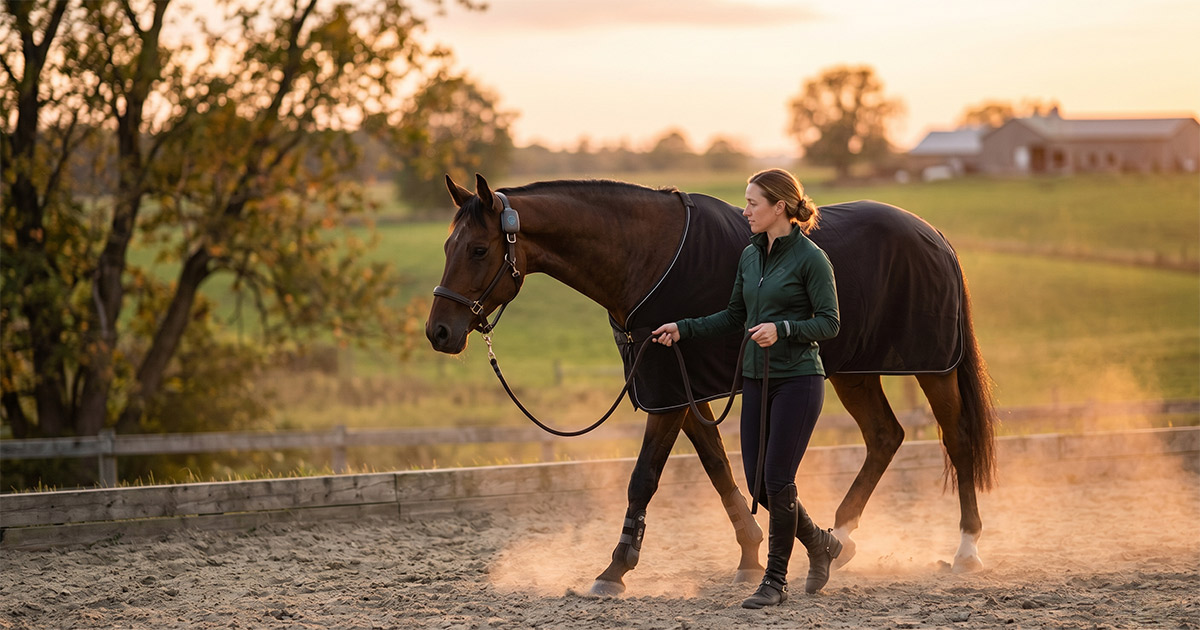
Groundwork is often viewed as a training foundation — a way to improve manners, responsiveness, and safety from the ground before riding. But beyond the practical skills it develops, groundwork can also create powerful emotional benefits for both horses and humans. Through quiet interaction, clear communication, and mutual trust, groundwork sessions can strengthen the bond between horse and handler while supporting emotional balance and stress reduction for both.
In today’s fast-paced world, many horse owners are searching for deeper, more mindful ways to connect with their horses. Groundwork offers exactly that: an opportunity to slow down, observe, and communicate without the added complexity of riding. Whether practiced in a round pen, pasture, or arena, these exercises can positively affect the nervous system, confidence, and emotional wellbeing of everyone involved.
Trust-Building Exercises
At its core, groundwork is about communication and trust. Exercises such as leading, yielding hindquarters, backing up softly, obstacle work, or liberty play encourage horses to pay attention to subtle cues while learning that humans can provide calm, consistent leadership.
For horses with anxiety, trauma, or uncertainty, groundwork creates a safe environment where they can build confidence gradually. Instead of relying on force or pressure, many modern groundwork approaches emphasize patience, timing, and emotional awareness.
Humans benefit as well. Spending intentional, quiet time with a horse encourages mindfulness and emotional presence. Many handlers notice that regular groundwork helps them become more patient, observant, and aware of their own body language and emotions.
Over time, these small interactions build a stronger sense of partnership rather than control.
Nervous System Co-Regulation
Horses are highly sensitive animals that naturally respond to the emotional state of those around them. Research into equine-assisted therapy and animal behavior increasingly supports the idea that horses can mirror human tension, stress, and relaxation.
Groundwork creates opportunities for nervous system co-regulation — a process where both horse and human influence each other’s emotional state. When handlers slow their breathing, soften their movements, and remain calm under pressure, horses often begin to relax as well.
Likewise, many people report feeling calmer after spending time doing quiet groundwork with horses. The rhythmic movement, focus on body awareness, and nonverbal communication can help reduce mental overstimulation and stress.
Simple exercises like walking patterns, breathing pauses, or standing quietly together may appear basic, but they can have profound emotional effects when practiced consistently.
Positive Reinforcement and Emotional Safety
Positive reinforcement methods are becoming increasingly popular in groundwork and equine training. Rewarding desired behaviors with praise, scratches, food rewards, or release of pressure can help create emotional safety and confidence in horses.
When horses understand that communication is fair and predictable, they are more likely to remain relaxed and willing during training sessions. This approach can be especially valuable for sensitive horses, rescues, or animals recovering from stressful experiences.
Positive reinforcement also changes the human experience. Instead of focusing only on correcting unwanted behavior, handlers learn to recognize and reward small moments of success. This often creates a more enjoyable, compassionate training environment for both horse and person.
Groundwork sessions built around curiosity and reward can transform training into a collaborative experience instead of a confrontational one.
Stress Reduction for Horse and Handler
Modern horses are exposed to many stressors, including travel, competition schedules, confinement, changing environments, and inconsistent routines. Humans experience similar pressures in daily life. Groundwork can become a calming ritual that benefits both species physically and emotionally.
Low-pressure sessions focused on connection rather than performance can help:
- Lower tension and anxiety
- Improve emotional regulation
- Encourage relaxation and focus
- Strengthen confidence
- Build consistency and routine
For humans, spending quiet time outdoors with horses can support mental wellbeing and reduce stress hormones. Even a short 15-minute groundwork session after a busy day may help restore emotional balance and presence.
For horses, calm interaction without physical demands can create positive associations with human handling and reduce defensive behaviors rooted in fear or confusion.
Building Clear Communication
One of the greatest emotional benefits of groundwork is the development of clearer communication. Horses communicate primarily through body language, energy, and timing rather than words. Groundwork encourages humans to become more aware of these subtle signals.
Handlers learn to:
- Observe ear position, posture, and facial expression
- Use intentional movement and pressure
- Develop consistent cues
- Respond calmly rather than react emotionally
As communication improves, frustration often decreases on both sides. Horses become more confident because expectations are clearer, while humans gain confidence in their ability to guide and understand their horse.
This improved communication frequently carries over into riding, daily care, and overall partnership.
A Deeper Partnership
Groundwork is much more than preparation for riding. It can become a meaningful practice that supports emotional wellbeing, trust, and connection between horses and humans alike.
By focusing on calm communication, positive reinforcement, and emotional awareness, groundwork helps create safer, happier, and more responsive horses while also offering humans a chance to slow down, reconnect, and regulate stress.
Sometimes the most valuable moments with horses happen not in competition or performance, but simply standing together, breathing, listening, and learning to communicate without words.