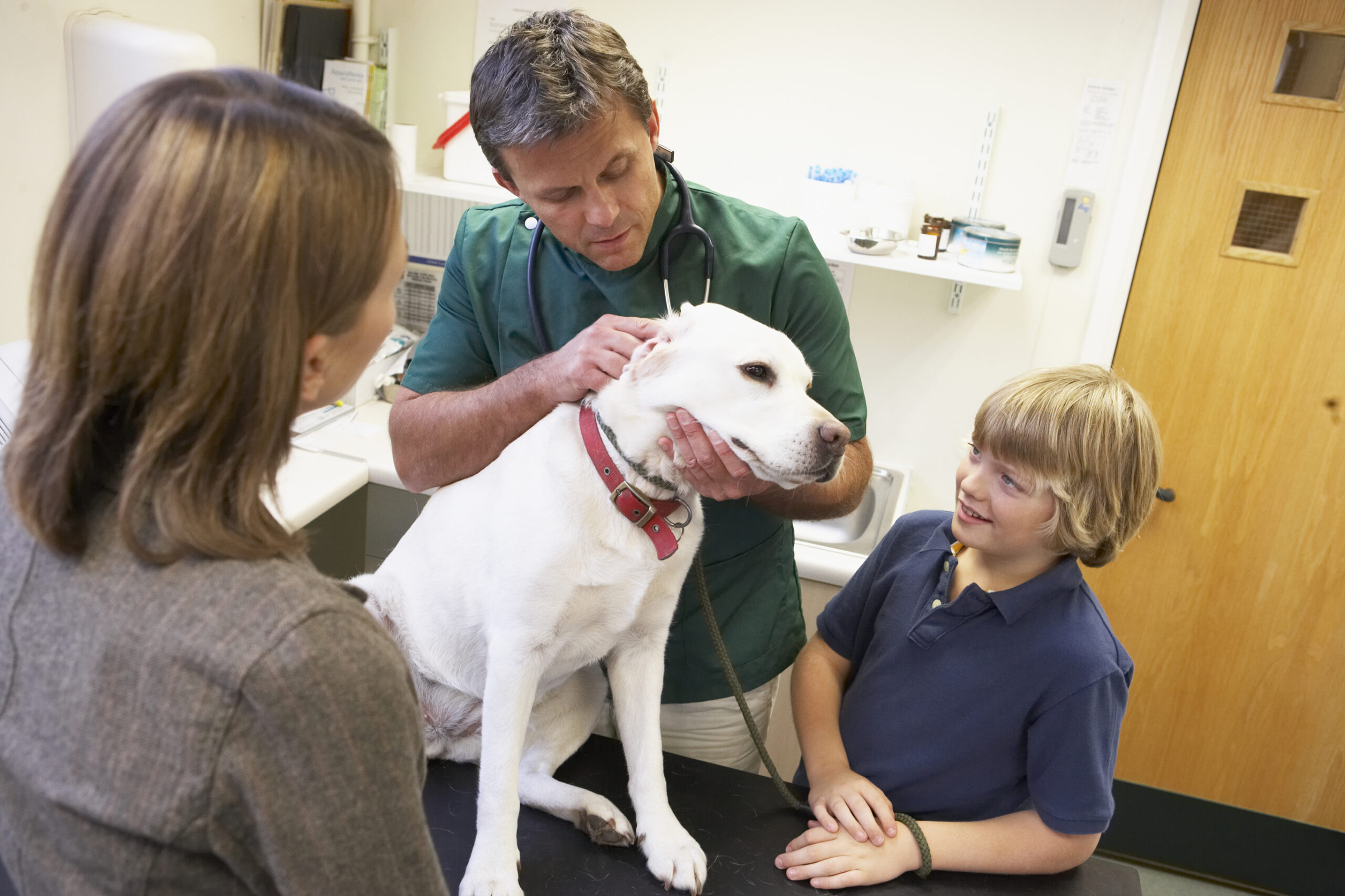

As more dog owners learn about the risks of over-vaccination, they’re asking important questions about rabies vaccine frequency, dosage, and safety. Morgan, for example, prefers to titer test her dogs instead of vaccinating every year. Her five-year-old dogs still show strong immunity from their puppy shots. But because she lives in a state with strict dog rabies vaccination protocol laws, her veterinarian must still administer rabies shots annually.
Teresa’s story is similar but more heartbreaking. She lost her indoor cat to complications from a rabies shot. “He never went outside,” she says. “So why did I have to vaccinate him every year?”
Stories like these show that pet owners aren’t against vaccines—they simply want safer, science-backed guidelines that match how long immunity really lasts.
Why Rabies Vaccination Is Important
Rabies is a deadly virus that affects all warm-blooded animals, including humans. It attacks the nervous system and is nearly always fatal once symptoms appear. Because of this, rabies vaccination in animals is required by law across the United States and Canada. The goal is public safety: by keeping pets protected, we prevent the spread of rabies to people and wildlife.
However, not all rabies vaccination protocols are the same. Some regions require annual shots, while others accept a three-year rabies vaccine for dogs. Yet studies show that the duration of immunity (DOI) often lasts much longer than either schedule suggests.
Different Rabies Vaccines for Dogs
Veterinarians use a few types of rabies vaccines, depending on your dog’s health, size, and risk factors.
- Killed virus vaccines: Contain inactivated rabies virus and are most commonly used.
- Recombinant vaccines: Use a harmless virus to carry the rabies gene and stimulate immunity.
- Adjuvanted vaccines: Contain immune-boosting agents that help the vaccine last longer but may increase the risk of side effects.
For small dogs or dogs with sensitivities, veterinarians may adjust the rabies vaccine dosage for small dogs or recommend a specific formulation with fewer adjuvants. Always discuss your dog’s size, health, and lifestyle with your vet before vaccination.
What Is the Difference Between the 1-Year and 3-Year Rabies Vaccine for Dogs?
The one-year rabies vaccine for dogs and the three-year vaccine contain the same ingredients and strength. The difference lies in how often the law requires them to be administered and how long they are legally recognized as effective.
In most cases, the one-year vaccine is simply labeled and approved for annual use, while the three-year version is labeled for longer intervals. Scientific studies suggest both versions provide protection well beyond three years. So when owners ask, “Do dogs really need rabies shots every year?” the answer is often no, unless local regulations mandate it.
Dr. Jean Dodds, a leading veterinary immunologist, notes that immunity from a rabies vaccine can last five to seven years or longer. However, current laws haven’t yet been updated to reflect this science.
The Rabies Challenge Fund: A Push for Better Laws
Recognizing the need for change, Dr. Dodds and Dr. Ron Schultz of the University of Wisconsin launched The Rabies Challenge Fund in 2005. Their goal is to determine how long rabies vaccine immunity truly lasts and use that data to influence legislation.
The project involves groups of dogs monitored over five and seven years to measure antibody levels and immune response. Results could help extend legal vaccination intervals, reducing unnecessary shots while maintaining public safety.
Side Effects of Rabies Vaccines in Dogs
Because rabies vaccines contain neurogenic proteins that affect the nervous system, they can cause a range of side effects. These include seizures, ataxia (poor coordination), autoimmune conditions, and behavioral changes. Smaller dogs and those with immune disorders are especially at risk.
Dr. Dodds warns that over-vaccination can trigger severe autoimmune responses, sometimes leading to organ failure. She stresses the importance of individualized vaccination plans and post-vaccine monitoring.
For more insights into immune-related conditions, read our guide on caring for dogs with myasthenia gravis to understand how the immune system affects overall mobility and health.
How Long Is Rabies Vaccination Good For?
While the legal requirement may vary by state, research shows that rabies vaccination is good for at least five to seven years, and possibly longer. French challenge studies have even demonstrated immunity lasting nine years.
This evidence suggests that dog rabies vaccination protocols could safely extend beyond the current one- and three-year schedules without compromising safety. The challenge lies in updating laws to match modern science.
Titer Testing: A Smarter Approach
Titer testing helps determine if your dog still has protective antibodies against rabies or other diseases. Instead of automatically giving a booster, your vet can check the titer first. If immunity is strong, no new vaccine is needed.
Dr. Dodds recommends titer testing after the first rabies booster (usually given at one year) and then every two to three years. This approach minimizes vaccine risk while ensuring lasting protection.
For overall immune balance, diet also plays a key role. Explore healing and nutrition after surgery to see how nutrition supports recovery and strengthens your dog’s immune defenses.
The Bigger Picture: Smarter Vaccine Schedules
Rabies isn’t the only vaccine due for reevaluation. The core vaccines for dogs—distemper, parvovirus, and adenovirus—also provide long-lasting protection, often exceeding seven years. Yet many clinics still follow outdated yearly booster routines.
The American Animal Hospital Association (AAHA) now recommends a three-year schedule, but with more data like that from The Rabies Challenge Fund, these intervals may extend even further in the future.
FAQs About Rabies Vaccination in Dogs
1. What is the recommended dog rabies vaccination protocol?
Most states require vaccination every one to three years, depending on the vaccine type and local laws. However, studies suggest immunity may last much longer.
2. What are the different rabies vaccines for dogs?
Dogs can receive killed virus, recombinant, or adjuvanted vaccines. Your veterinarian can help choose the safest and most effective option.
3. What is the difference between the 1-year and 3-year rabies vaccine for dogs?
They are chemically identical, but laws dictate how long each is valid. Both typically provide immunity for at least three years, and likely longer.
4. How long is rabies vaccination good for?
Research indicates rabies immunity can last five to seven years or more, though legal recognition remains shorter.
5. Do dogs really need rabies shots every year?
In most cases, no. Annual shots are usually required only by local law, not by medical necessity.
6. What is the correct rabies vaccine dosage for small dogs?
All dogs generally receive the same dosage, but vets may adjust timing or choose gentler formulations for small breeds.
7. Why are rabies vaccinations required for all animals?
Rabies is fatal and zoonotic, meaning it can spread to humans. Vaccination protects pets, people, and communities.
Final Thoughts
Vaccination remains essential for disease prevention, but modern research shows that less frequent rabies shots could safely protect pets while reducing risk. The Rabies Challenge Fund continues to lead the effort to update outdated vaccination laws and promote titer testing as a safer, science-backed alternative.
Through smarter vaccination schedules and improved education, pet owners can keep their animals protected without unnecessary exposure to risk—ensuring every dog stays safe, healthy, and happy.