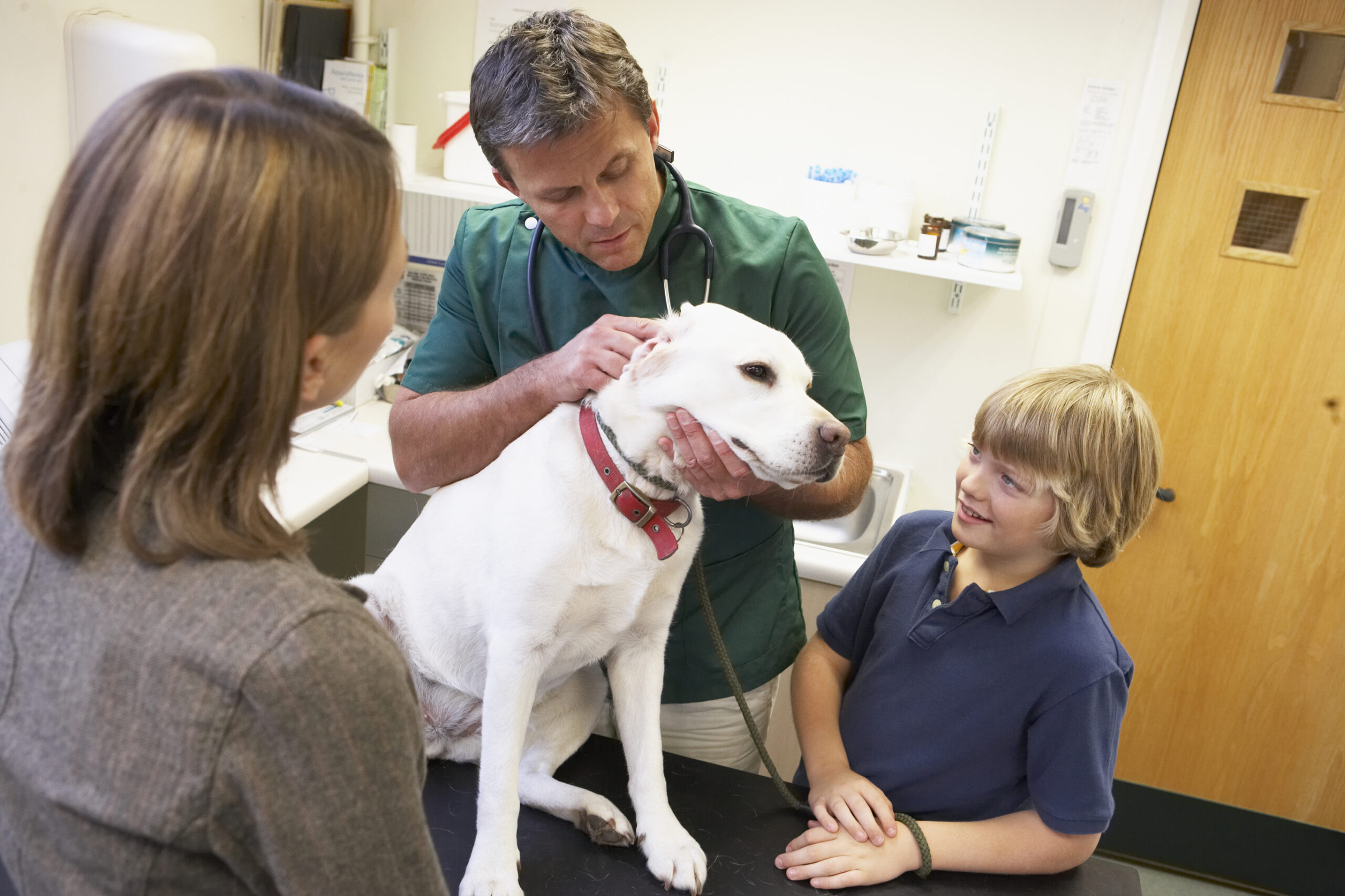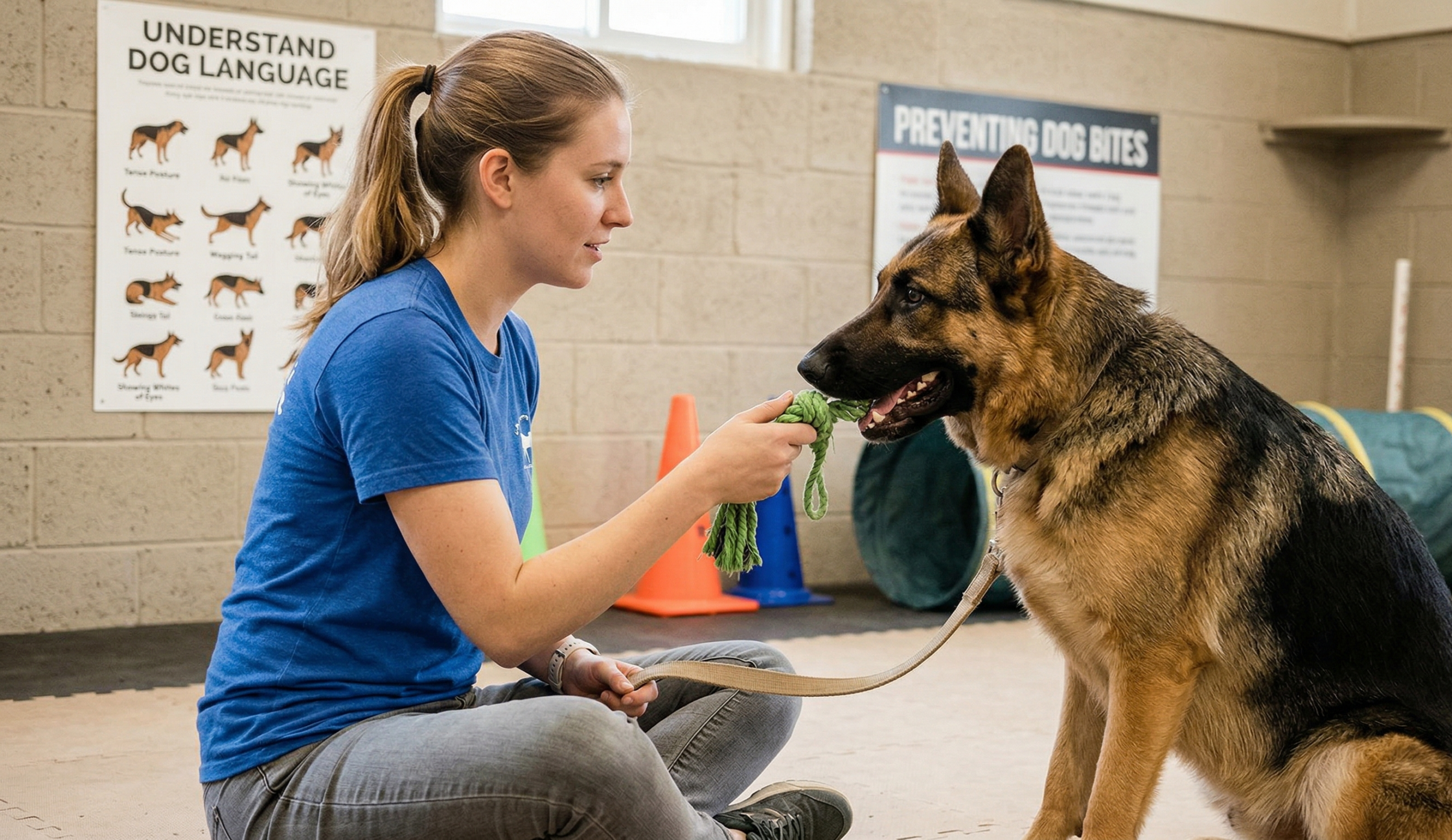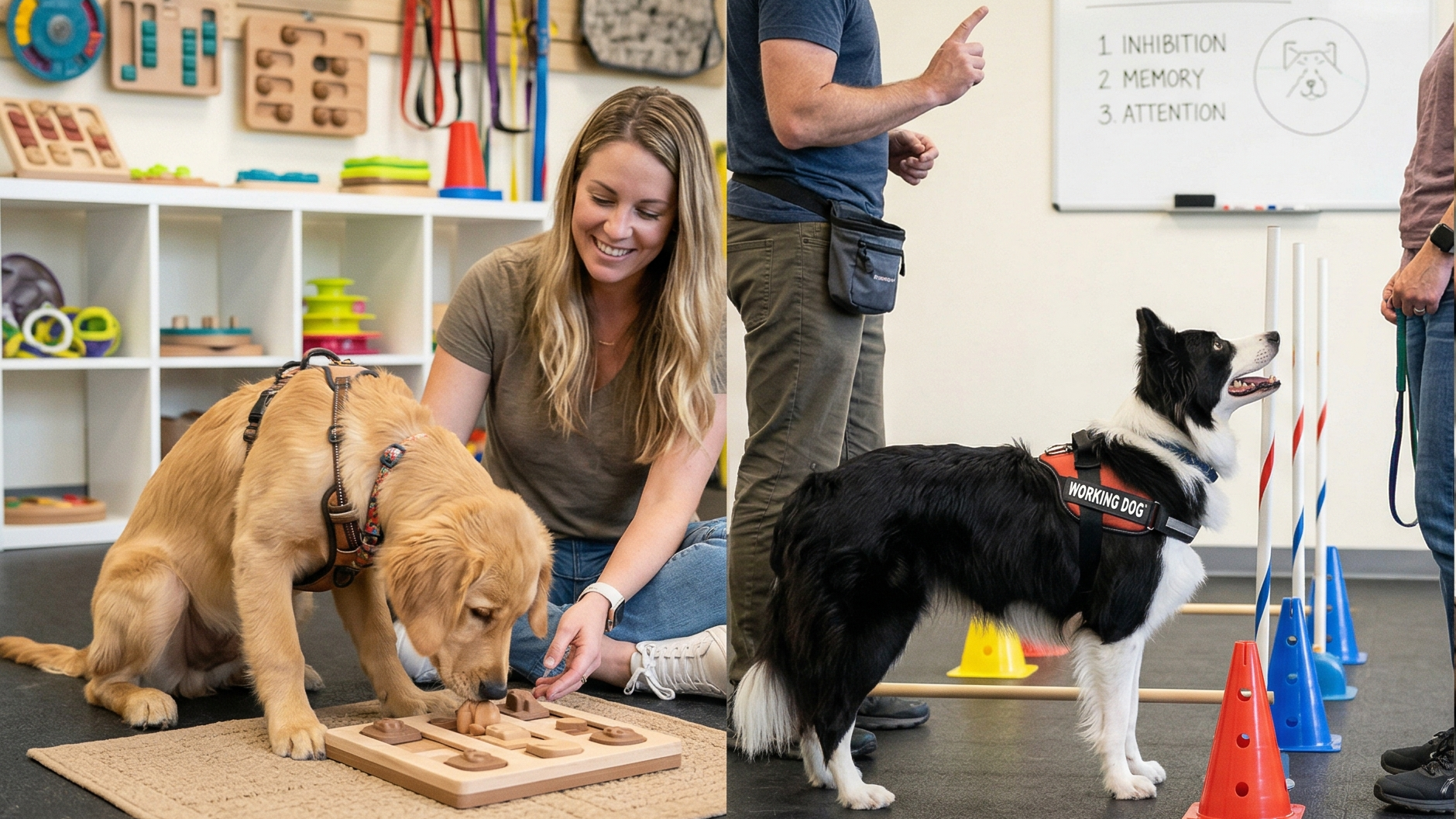
Integrative approaches in veterinary practice combine conventional practices with alternative therapies to enhance animal health and well-being. Veterinary professionals are uniquely positioned to promote integrative methods, bridging the gap between traditional and alternative care. By doing so, they can provide comprehensive solutions that address the diverse needs of their patients.
Enhancing Patient Outcomes
Veterinary professionals play a crucial role in promoting integrative approaches in veterinary practice by implementing different treatments that are effective. For example, combining nutritional counseling with acupuncture for pain management can lead to significantly better outcomes. When veterinarians advocate for integrative care, they not only improve the quality of life for their patients but also enhance client satisfaction. Happy clients are more likely to return and refer others, ultimately benefiting the practice.
Educating Clients
One of the primary responsibilities of veterinary professionals is to educate pet owners about the benefits of integrative approaches. By communicating the advantages clearly, veterinarians can dispel common misconceptions surrounding alternative therapies. This education fosters trust and encourages clients to consider integrative care as a viable option. Providing informational materials, hosting workshops, or offering webinars can empower clients to make informed decisions about their pets’ health.
Fostering Collaboration
Veterinary professionals should also foster collaboration with practitioners from various fields, such as holistic veterinarians, nutritionists, and alternative therapy specialists. This multidisciplinary approach not only enriches the knowledge base within the practice but also ensures that clients receive well-rounded care. Networking with other professionals can lead to referrals and partnerships that enhance service offerings and elevate the standard of care.
Staying Current with Research
The landscape of veterinary medicine is constantly evolving, with new research emerging on the efficacy of integrative approaches. Veterinary professionals must stay informed about the latest studies, trends, and products that can enhance their practice. Engaging in continuing education and attending relevant conferences can provide valuable insights and tools for implementing these methods. By staying current, veterinarians can confidently recommend integrative therapies to their clients.
Conclusion
Promoting integrative approaches is essential for veterinary professionals aiming to improve comprehensive care and revenues. By understanding the benefits, educating clients, fostering collaboration, and staying updated on research, veterinarians can play a pivotal role in advancing animal health. As the demand for holistic care grows, embracing integrative methods will not only enhance patient outcomes but also strengthen the bond between veterinarians and pet owners.