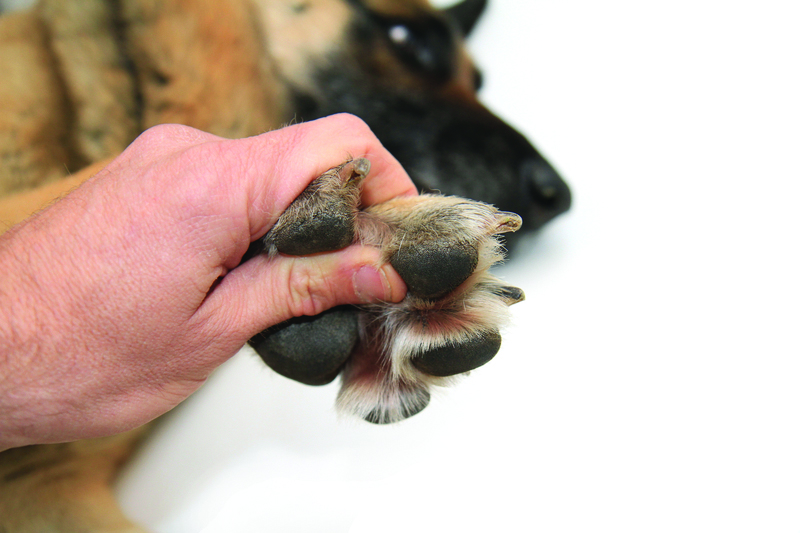
Mingling with canine companions promotes relaxation, emotional stability, and well-being.
In a fast-paced world filled with stress and anxiety, finding moments of relaxation and emotional stability is essential for human well-being. Recent research sheds light on a remarkable source of comfort and tranquility: dogs. A groundbreaking study compared the psychophysiological and emotional responses of individuals engaging in various activities with dogs, uncovering fascinating insights into the benefits of human-animal interaction.
Study Details
The study involved 30 healthy adults, and explored the effects of different human-dog activities, including meeting, playing, feeding, massaging, grooming, photographing, hugging, and walking, over a span of three minutes each. The participants’ brain waves were monitored across different regions, while subjective evaluations of their emotions were recorded after each activity.
Playing with Dogs Offers Multi-Faceted Benefits
The findings were nothing short of remarkable. Activities such as playing and walking with a dog were found to significantly increase brain relaxation and resting state, providing a sense of calm and tranquility. Moreover, engaging in activities like dog massage, grooming, and playing led to heightened concentration without inducing stress, as evidenced by increased beta power spectra.
One particularly noteworthy discovery was the profound impact playing with a dog has on both relaxation and concentration, highlighting the multifaceted benefits of this simple yet joyful activity. Additionally, subjective mood assessments revealed that interactions with dogs, including walking and massaging, elicited feelings of comfort, relaxation, and naturalness among participants.
Perhaps most strikingly, interactions with dogs were shown to decrease stress levels and induce positive emotional responses across all activities. This underscores the profound therapeutic potential of human-dog interaction in mitigating stress and promoting emotional well-being.
Animal-Assisted Intervention Programs
These findings hold significant implications for the development of animal-assisted intervention (AAI) programs using dogs as well as other species. By identifying the most effective activities for specific participant categories, such as those experiencing stress or seeking emotional stability, practitioners can tailor interventions to maximize therapeutic benefits.
Future Directions
Further research is needed to validate these findings and elucidate the underlying mechanisms behind the effects of human-animal interaction. By better understanding how specific activities impact brain activity and emotional states, we can unlock the full potential of AAI in promoting holistic health and well-being in humans.