Taking your dog to the veterinarian can feel stressful for both you and your furry companion. However, being prepared can make the experience smoother and more productive. Here are some important things to consider before your appointment.
Gather Your Dog’s Medical History
Before heading to the clinic, collect any previous medical records, vaccination certificates, and documentation of past treatments. If you’ve recently switched veterinarians, request records from your previous clinic. Having this information readily available helps your vet understand your dog’s complete health picture and avoid unnecessary duplicate tests.
Make a List of Symptoms and Concerns
Write down everything you’ve noticed about your dog’s behavior, eating habits, energy levels, and any physical changes. Include when symptoms started, how often they occur, and if anything makes them better or worse. It’s easy to forget details during the appointment, so having a written list ensures you don’t miss sharing important information with your veterinarian.
Prepare Your Dog’s Routine Information
Your vet will likely ask about your dog’s daily routine. Be ready to discuss their diet (including treats and table food), exercise habits, medications, and supplements. If your dog has been eating less or drinking more water than usual, try to estimate the amounts. This information helps veterinarians identify potential health issues.
Plan for a Fecal Sample
Many vet exams include checking for intestinal parasites. If possible, collect a fresh stool sample from your dog on the morning of the appointment and bring it in a sealed plastic bag or container. This small step can provide valuable diagnostic information without requiring an additional visit.
Consider Your Dog’s Temperament
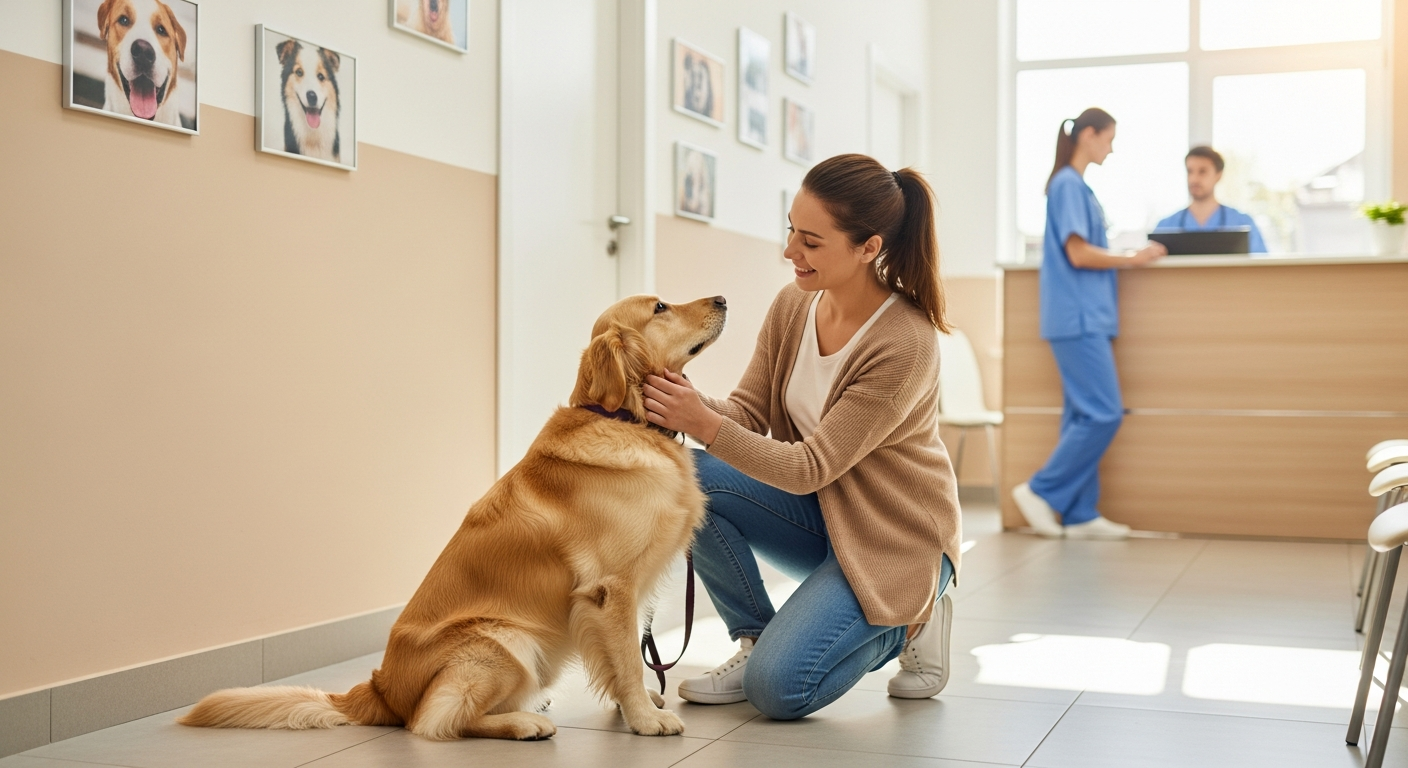
Think about how your dog typically reacts to new environments and strangers. If your companion tends to be anxious or aggressive, let the clinic know when scheduling the appointment. They may recommend arriving at a quieter time or having you wait in your car until the exam room is ready. Some dogs benefit from a short walk before entering the clinic to burn off nervous energy.
Fast Your Dog If Necessary
If blood work is scheduled, ask whether your dog needs to fast beforehand. Some tests require an empty stomach for accurate results. However, don’t assume fasting is needed—always confirm with your veterinary clinic first.
Bring Essential Items
Pack a leash, your dog’s favorite treats for positive reinforcement, and any medications they’re currently taking. If your dog is comfortable with it, a familiar blanket or toy can provide comfort during the visit.
Dogs pick up on our emotions. If you’re anxious, your dog likely will be too. Approach the visit with a calm, positive attitude to help your companion feel more secure.