
When it comes to bite force, dogs vary quite a bit depending on their size, breed, and jaw structure. Scientists measure bite force in pounds per square inch (PSI), which tells us how much pressure a dog’s jaw can apply.
Larger breeds with broad heads and strong jaw muscles typically have more powerful bites. For example, breeds like German Shepherds can bite with around 238 PSI, while Rottweilers may reach up to 328 PSI. Pit Bulls measure around 235 PSI, and Mastiffs can exceed 500 PSI. On the other end, smaller breeds like Chihuahuas or Yorkshire Terriers have much less force, often under 150 PSI.
However, bite force alone doesn’t tell the whole story. Any dog can cause injury when they bite, regardless of breed or size. Even a small dog can inflict serious wounds, especially on sensitive areas like hands, faces, or on young children. What matters most is preventing bites from happening in the first place.
Why Dogs Bite
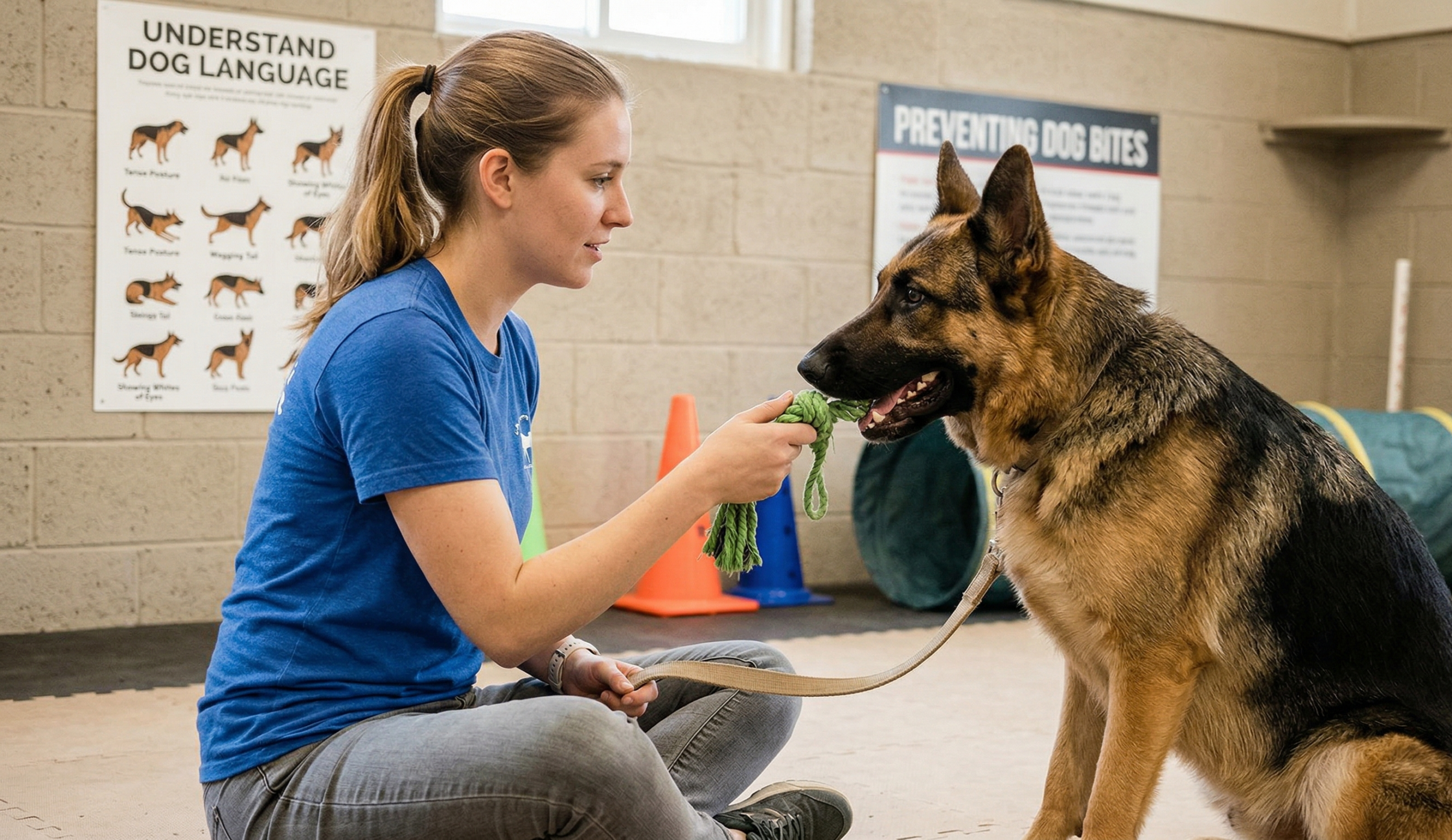
Dogs don’t usually bite without reason. Most bites happen because a dog feels scared, threatened, or is in pain. Some dogs bite out of excitement during play, while others may be protecting their food, toys, or space. Understanding your dog’s body language helps you recognize warning signs before a bite occurs.
Watch for tense posture, showing the whites of their eyes, shrinking away, raised hair on the neck and back, hard staring, growling, or lunging. These signals mean your dog is uncomfortable and may escalate their behavior.
Immediate Steps After a Dog Bite
If you or someone else gets bitten, take these steps right away:
- Separate from the dog – Move to a safe location away from the animal.
- Clean the wound – Wash it thoroughly with soap and warm water for several minutes.
- Control bleeding – Apply gentle pressure with a clean cloth.
- Assess the injury – Look at the depth and location of the wound.
- Seek medical attention – See a doctor for deep punctures, wounds that won’t stop bleeding, bites on the face or hands, or any bite from an unknown dog. Infections from dog bites can be serious.
Prevention is Key
Training your dog and understanding their triggers can prevent most bites. Never leave young children unsupervised with dogs, and teach kids to respect a dog’s space. If your dog shows signs of fear or aggression, work with a professional trainer or veterinary behaviorist to address these issues.
Remember, this information is for educational purposes only. Always consult your veterinarian for professional advice about your dog’s behavior and health.