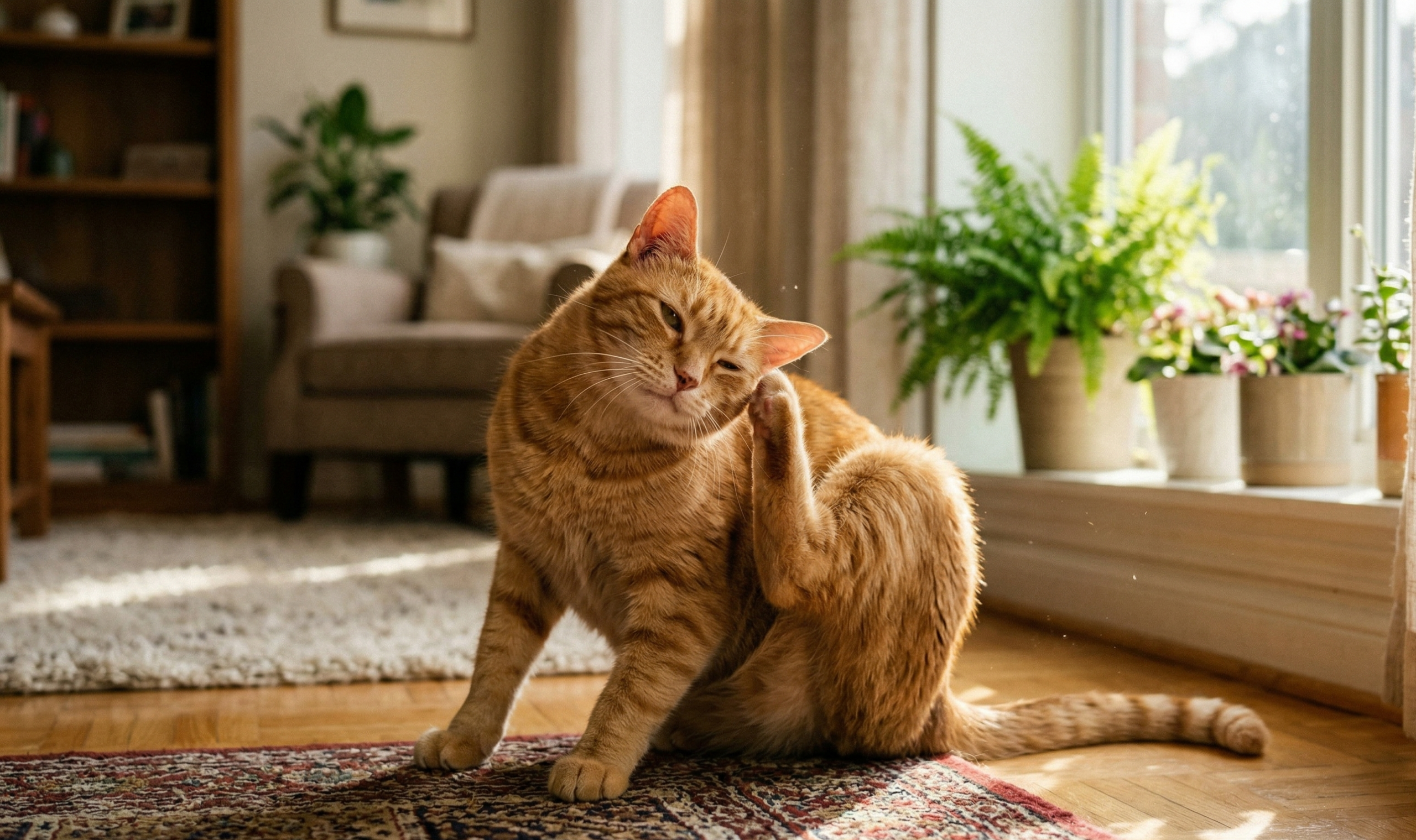
If you’ve noticed your feline companion constantly scratching, developing bald patches, or showing signs of uncomfortable skin, environmental allergies might be the culprit. Just like humans who sneeze during pollen season or react to dust, cats can experience similar allergic responses to things in their surroundings.
What Are Environmental Allergies?
Environmental allergies, also called atopy, occur when a cat’s immune system overreacts to common substances in their environment. These allergens can include pollen from trees, grasses, and weeds, dust mites that live in carpets and bedding, mold spores, and even certain fibers or cleaning products. Unlike food allergies, these reactions come from things your cat breathes in or contacts through their skin.
Recognizing the Signs
Environmental allergies in cats often show up as skin problems rather than the sneezing and watery eyes we humans experience. Your feline friend might scratch excessively, especially around their face, ears, belly, or paws. You may notice areas of hair loss, red or inflamed skin, or small bumps and scabs. Some cats develop darker patches of skin over time in affected areas. The itching can become so intense that cats create wounds from constant scratching or grooming.
Why It’s Tricky to Identify
What makes environmental allergies particularly challenging is that the symptoms look similar to many other conditions. Flea allergies, food sensitivities, infections, and even stress-related behaviors can cause similar skin reactions. Additionally, cats with environmental allergies might be sensitive to multiple allergens, and symptoms can worsen during certain seasons when specific pollens are present.
What You Can Do
If you suspect your cat has environmental allergies, schedule an appointment with your veterinarian. They can perform tests to rule out other causes and may recommend allergy testing to identify specific triggers. While you’re investigating, you can help by keeping your home clean with regular vacuuming, using air purifiers, and washing your cat’s bedding frequently in hot water.
Treatment options vary depending on the severity and might include medications to reduce itching and inflammation, special shampoos, or even immunotherapy to help your cat build tolerance to allergens over time.
Environmental allergies are typically a lifelong condition requiring ongoing management rather than a one-time fix. However, with proper veterinary care and environmental management, most cats with allergies can live comfortable, happy lives. Always work closely with your veterinarian to develop the best treatment plan for your feline companion’s specific needs.