
If your feline friend has suddenly started tilting their head, stumbling, or seems dizzy, they might be experiencing vestibular syndrome. This condition can be scary for cat families, but understanding what’s happening can help you provide the best care possible.
What is Feline Vestibular Syndrome?
The vestibular system helps cats maintain their balance and know where they are in space. When this system isn’t working properly, cats can experience dizziness, loss of coordination, and difficulty walking straight. Think of it like when humans get motion sickness or feel dizzy after spinning around.
There are two main types that affect our feline companions. Congenital vestibular disease appears in young kittens from birth to 12 weeks old. Signs often improve over time, though some cats may have lasting effects. Idiopathic vestibular syndrome typically affects adult cats and appears suddenly. The exact cause isn’t always known, which is why it’s called “idiopathic.”
Common Signs to Watch For
Cats with vestibular syndrome often show a head tilt to one side, walk in circles, or seem unsteady on their feet. You might notice your cat falling over, having trouble standing, or showing rapid eye movements called nystagmus. Many cats become reluctant to move and may crouch against walls for support. Some cats may also experience nausea, loss of appetite, or seem depressed due to feeling unwell.
Management Approaches
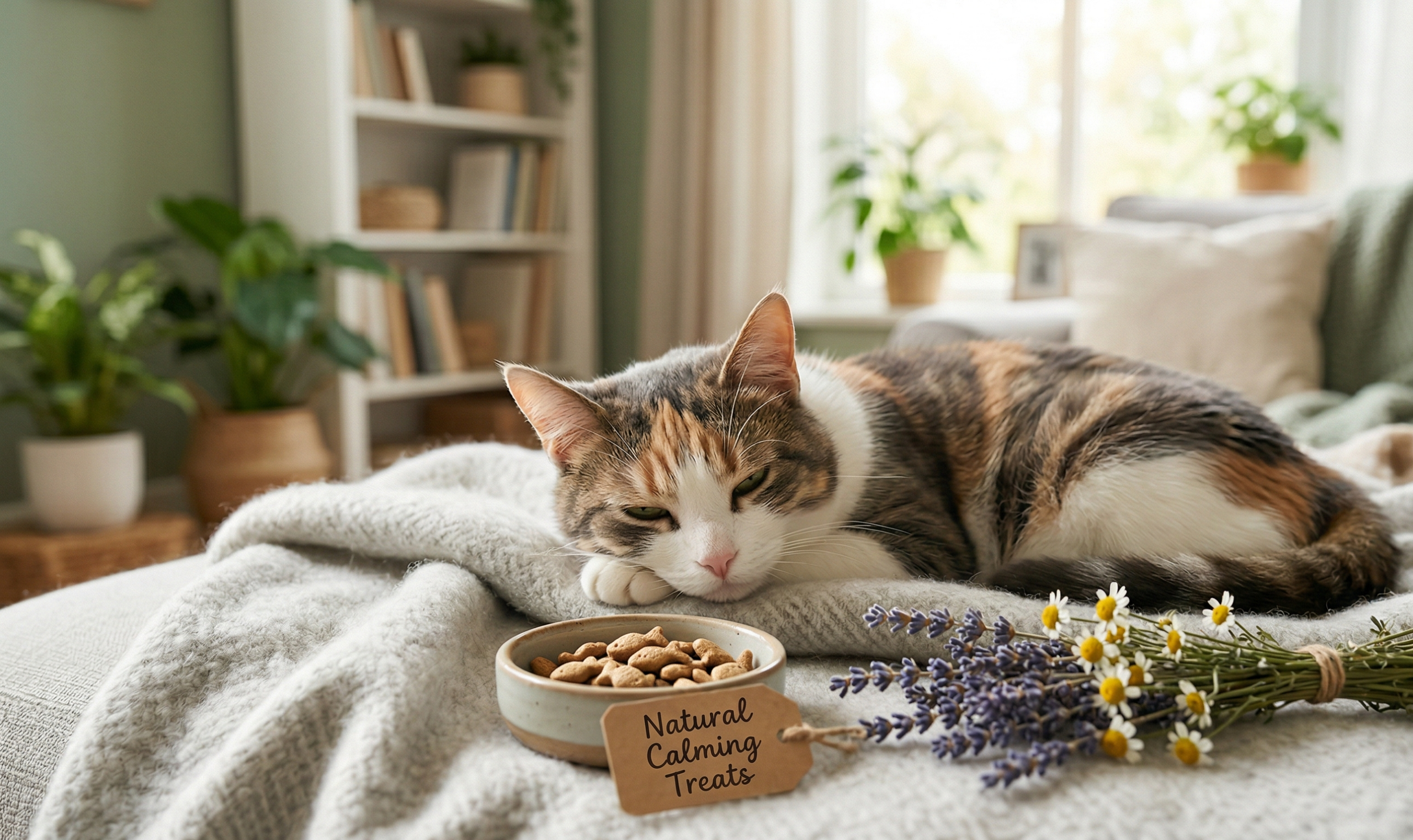
While veterinary care is essential, some natural approaches may help support your cat’s recovery. Creating a safe, quiet environment helps reduce stress and prevents injuries from falling. Remove obstacles and provide soft bedding in a confined space where your cat can’t fall from heights.
Gentle massage around the head and neck area might provide comfort, but only if your cat tolerates it well. Some families find that playing soft, calming music helps reduce anxiety during recovery.
Supporting proper nutrition becomes crucial when cats feel nauseous. Offering small, frequent meals of easily digestible food may help. Warming food slightly can make it more appealing. Always ensure fresh water is available, as proper hydration supports healing.
Some holistic veterinarians recommend acupuncture or physical therapy techniques specifically designed for cats with balance issues. These approaches should only be performed by trained professionals experienced in feline care.
Recovery and Outlook
Most cats with idiopathic vestibular syndrome begin improving within a few days to weeks. Recovery can be gradual, and some cats may retain a slight head tilt even after other symptoms resolve. Congenital cases in kittens often improve naturally as they grow.
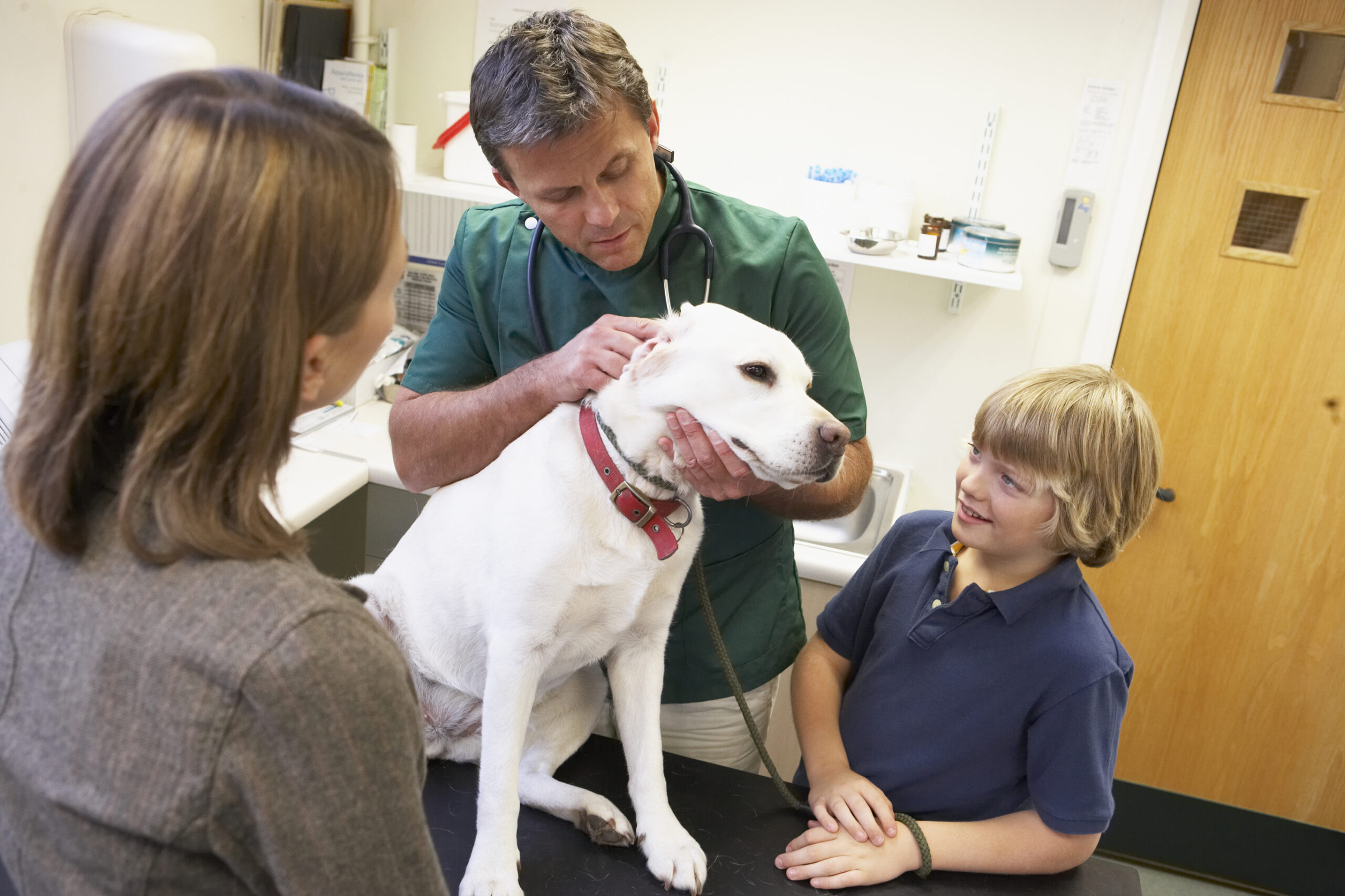
Vestibular syndrome can sometimes indicate more serious underlying conditions, including ear infections, tumors, or other neurological issues. While natural approaches can provide comfort and support, professional veterinary evaluation is absolutely essential for proper diagnosis and treatment.
Never assume your cat just has “simple” vestibular syndrome without professional confirmation. Your veterinarian can determine if additional treatments are needed and rule out other serious conditions. They can also advise which natural approaches are safe to use alongside conventional treatments.
With proper care and patience, many cats recover well from vestibular episodes and return to their normal, playful selves.