Dogs occupy a unique position among domesticated species: they are evolutionarily adapted to live alongside humans, yet this close relationship also exposes them to a wide range of human-mediated experiences—both positive and negative. A recent large-scale study involving 4,497 dogs provides valuable insight into how early-life adversity and breed-related genetic factors interact to shape fear and aggression in adult dogs. These findings offer important implications for veterinary professionals working to support canine behavioral health.
Study Overview
The study collected detailed information from English-speaking dog guardians, including each dog’s early-life history, current living environment, and behavioral tendencies assessed through the Canine Behavior Assessment and Research Questionnaire (C-BARQ). This robust dataset allowed researchers to examine how early adverse experiences and breed ancestry contribute to behavioral outcomes.
Impact of Early-Life Adversity
One of the most significant findings was the strong association between adverse experiences during the first six months of life—such as abuse, neglect, or relinquishment—and increased levels of aggression and fearfulness in adulthood. Importantly, these associations remained significant even after controlling for variables such as sex, neuter status, and acquisition source.
This reinforces what many veterinary professionals observe clinically: early developmental periods are critical windows during which negative experiences can have long-lasting behavioral consequences. Dogs exposed to trauma or instability during this sensitive phase may be more likely to exhibit reactive or defensive behaviors later in life.
Breed-Level Variation and Heritable Factors
The study also revealed that the effects of early adversity were not uniform across breeds. Instead, the degree to which adversity influenced fear and aggression varied systematically at the breed level. This suggests that heritable traits—shaped by generations of artificial selection—play a meaningful role in determining a dog’s resilience or vulnerability to stress.
For example, breeds historically selected for heightened alertness or protective behaviors may exhibit stronger behavioral responses to early-life stressors, while breeds selected for sociability or docility may show greater resilience. These findings highlight the importance of considering both genetic predisposition and individual experience when evaluating canine behavior.
Clinical Implications for Veterinary Practice
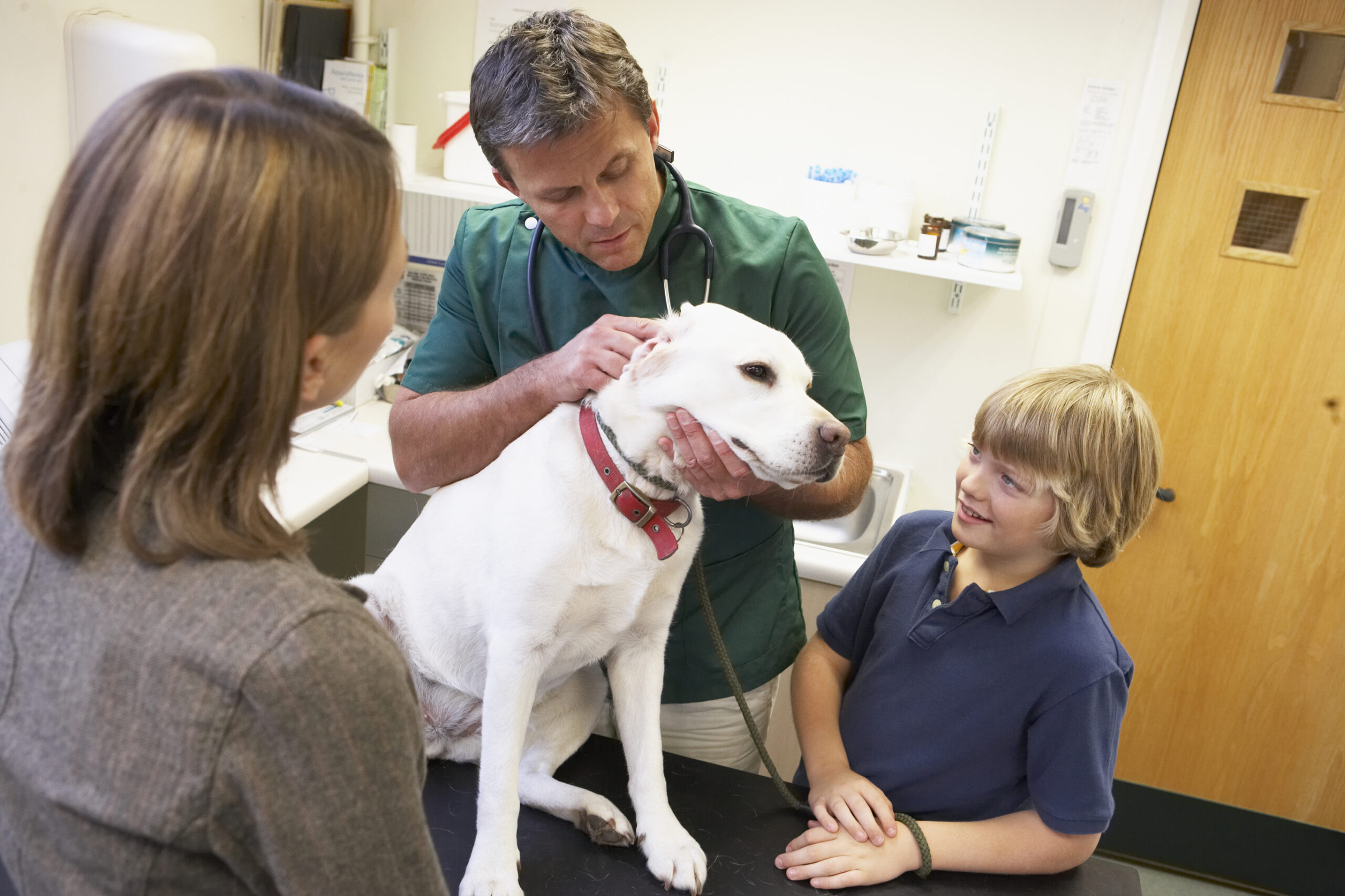
For veterinary professionals, this research underscores the need for a holistic approach to behavioral assessment. Key takeaways include:
- Early-life history should be a routine part of behavioral evaluation.
- Breed tendencies can inform risk assessment but should not be used deterministically.
- Preventive counseling for new puppy guardians is essential, especially regarding socialization and minimizing traumatic experiences.
- Dogs with known early adversity may benefit from early behavioral intervention and supportive management strategies.
Conclusion
Gene–environment interactions in canine behavior is an area of interest. This study provides compelling evidence that canine socioemotional behavior is shaped by gene–environment interactions. Integrating knowledge of breed predispositions with an understanding of individual life histories, can help veterinary professionals better support dogs at risk for fear and aggression, ultimately improving welfare outcomes and strengthening the human–animal bond.