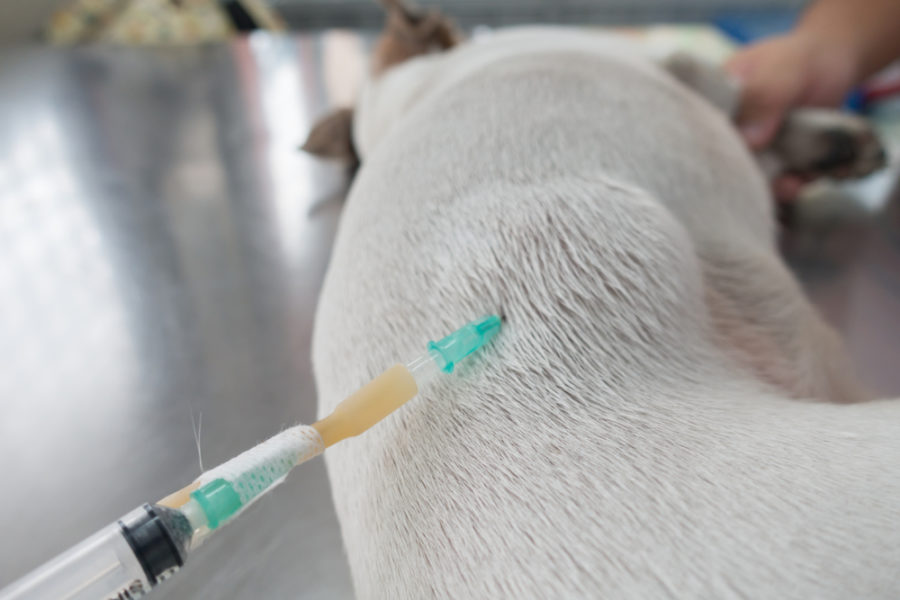
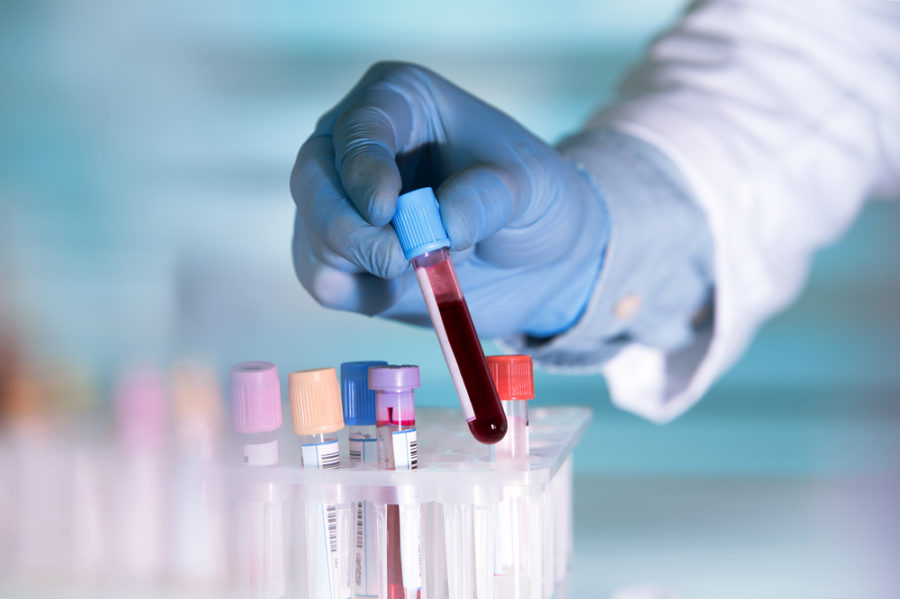
Are you confused by your pet’s blood work results? You’re not alone. Many pet owners find those lab reports filled with numbers and abbreviations overwhelming. Understanding what they mean can help you make informed decisions about your dog or cat’s health and build better communication with your veterinarian.
What Does “Normal” Really Mean?
When reviewing test results, it’s important to remember that “normal” values aren’t the same for every animal or every lab. Each laboratory determines its own reference range based on the pets it serves. Even a healthy dog or cat can have results slightly outside those ranges and still be perfectly fine.
Think of it like a bell curve—about 90% of healthy animals fall within the middle range, while 10% may show values above or below without any illness.
For example, the BUN (Blood Urea Nitrogen) test measures kidney function. Most labs list a normal range between 10 and 30. If your dog’s BUN value is 40, that doesn’t automatically mean kidney disease. Your veterinarian will look at trends over time, review other tests like creatinine or urinalysis, and consider your dog’s overall health before reaching a conclusion.
Common Veterinary Blood Tests Explained
Kidney Function Tests
BUN (Blood Urea Nitrogen)
This test helps evaluate kidney performance but can also be influenced by factors like diet or internal bleeding. A mildly elevated BUN may not always signal disease but should be monitored alongside other results.
Creatinine
Creatinine is a more reliable marker for kidney health. Even a small increase can suggest kidney issues, since it isn’t affected by diet. Persistent elevation warrants further investigation.
Urinalysis
A urinalysis offers valuable insight into kidney performance. The key indicator is urine specific gravity, which measures how well the kidneys dilute or concentrate urine. Abnormal readings—especially when repeated—may indicate declining kidney function.
If your pet has shown changes in kidney or urinary function, learning more about testing and preventive care can be beneficial. Explore our expert-led online veterinary courses to deepen your understanding of pet health and early diagnosis.
Diabetes Testing
Though less common in dogs than humans, diabetes can still develop, particularly in older pets. Two main tests help diagnose it:
- Blood glucose test: Measures sugar levels in the blood. High readings can indicate diabetes but may also result from stress.
- Urinalysis: Detects sugar and ketones in urine, which signal poor glucose regulation.
In uncertain cases, veterinarians may run a fructosamine test to confirm persistent high blood sugar and rule out stress-related spikes.
Liver Function Tests
True liver disease is relatively rare, but monitoring liver enzymes can reveal early warning signs. The ALT (Alanine Transaminase) test measures enzyme levels released when liver cells are damaged. Mild elevations can occur from medications, age, or minor inflammation, while higher results often point to liver trauma or infection.
Adrenal Function Tests
Older dogs often experience adrenal gland imbalances, particularly with cortisol overproduction. Elevated ALP (Alkaline Phosphatase) levels can indicate this issue. Because ALP may also rise with liver conditions, vets compare it to other liver enzyme tests to pinpoint the cause.
Misinterpreting ALP as purely a liver problem is common, which can lead to unnecessary testing. When diagnosed early, natural supplements and lifestyle adjustments can help manage adrenal health and delay diseases like Cushing’s.
Why Regular Lab Tests Matter
Routine testing isn’t just for sick pets. Regular screenings establish a baseline for your animal’s normal values, making it easier to detect changes early. For senior pets, bloodwork and urinalysis every six to twelve months can reveal problems before symptoms appear.
Even if some results seem “abnormal,” they might be completely normal for your individual pet. Your veterinarian can repeat tests, compare trends, and rule out serious conditions before recommending treatment.
Regular monitoring also helps ensure long-term wellness and can prevent unnecessary anxiety over a single abnormal reading.
FAQs About Veterinary Tests
1. How often should pets have blood tests?
Healthy adults should be tested once a year, while seniors or pets with chronic conditions may need checkups every six months.
2. Why does my pet’s test show a high or low result if they seem fine?
Individual variations, stress, or temporary diet changes can affect results. Repeating the test helps confirm accuracy.
3. Which tests are most important for older dogs and cats?
Kidney, liver, thyroid, and blood sugar tests are key for early detection of age-related diseases.
4. Can I understand my pet’s test results on my own?
You can learn the basics, but interpretation should always be done by your veterinarian. Online learning resources can help you feel more confident.
5. What’s the best way to track my pet’s test history?
Ask for copies of all lab reports and keep them in a health folder or digital file for easy comparison during future visits.
Final Thoughts
Understanding your pet’s veterinary tests helps you play a more active role in their care. It turns confusing numbers into meaningful insights about your dog or cat’s health. Regular lab work, professional interpretation, and early intervention can make all the difference in catching potential problems before they become serious.
If you’d like to better understand how to read lab results and support your pet’s wellness journey, take a look at our online veterinary courses designed for curious, caring pet owners.