
If you’ve noticed your cat’s paw pads looking swollen and soft like little pillows, they might have a condition called plasma cell pododermatitis, commonly known as pillow foot. This rare foot condition can be concerning for those caring for cats, but understanding it is the first step toward helping your feline companion.
What Is Pillow Foot?
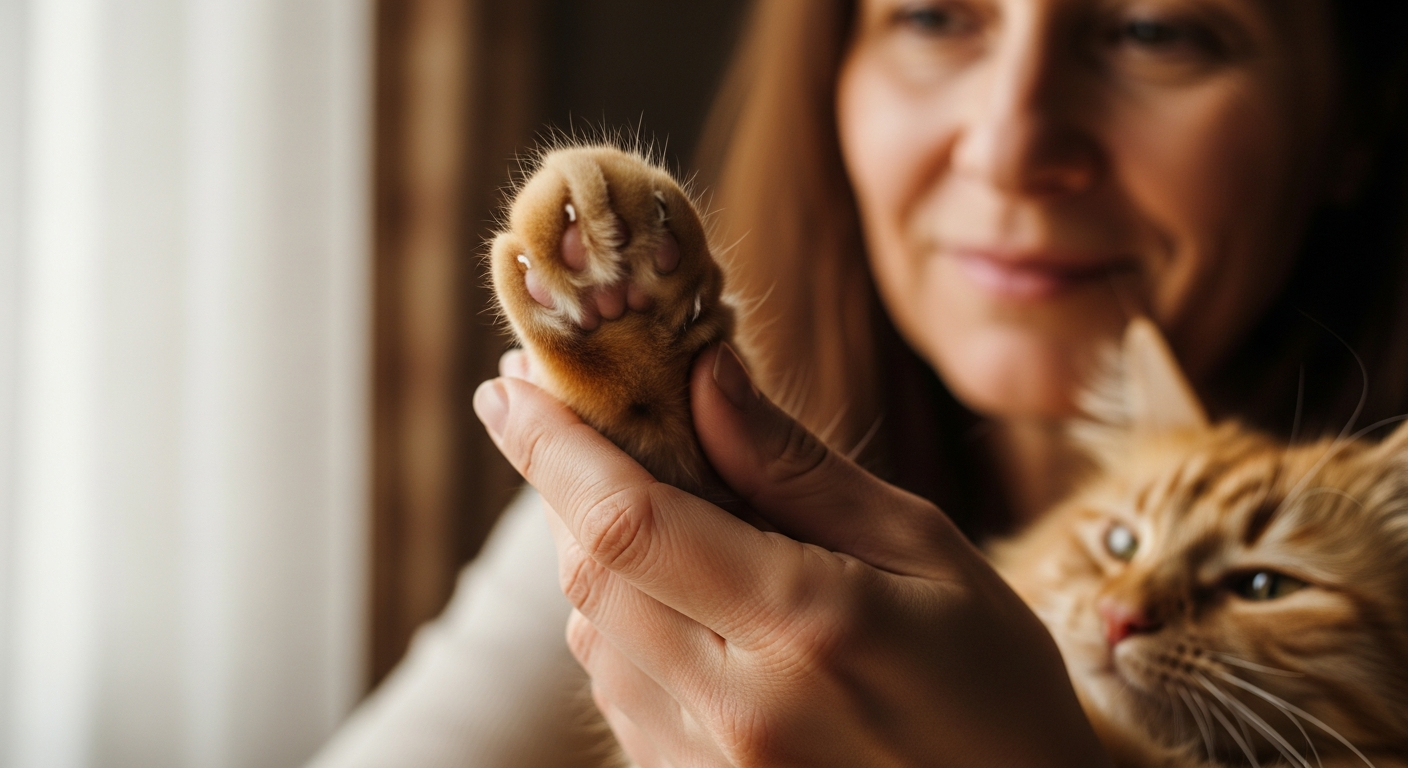
Pillow foot is an uncommon condition where a cat’s paw pads become soft, swollen, and squishy. The medical term is feline plasma cell pododermatitis. The condition happens when special immune cells called plasma cells gather in the paw pads, causing inflammation and swelling. One paw or multiple paws can be affected, and in most cases, veterinarians aren’t sure what triggers this condition.
Recognizing the Signs
Cats with pillow foot may show several symptoms. Their paw pads appear puffy and enlarged, feeling softer than normal healthy pads. You might notice your cat limping or showing reluctance to walk or jump. The affected pads may develop sores or ulcers, and in severe cases, the tissue can break down. Some cats become less active or show signs of pain when their paws are touched.
Natural Supportive Approaches
While professional veterinary care is essential for diagnosing and treating pillow foot, there are natural ways to support your cat’s comfort at home:
Keep paws clean and dry by gently wiping them with a soft, damp cloth after your cat uses the litter box. Consider switching to softer, dust-free litter that won’t irritate sensitive paws.
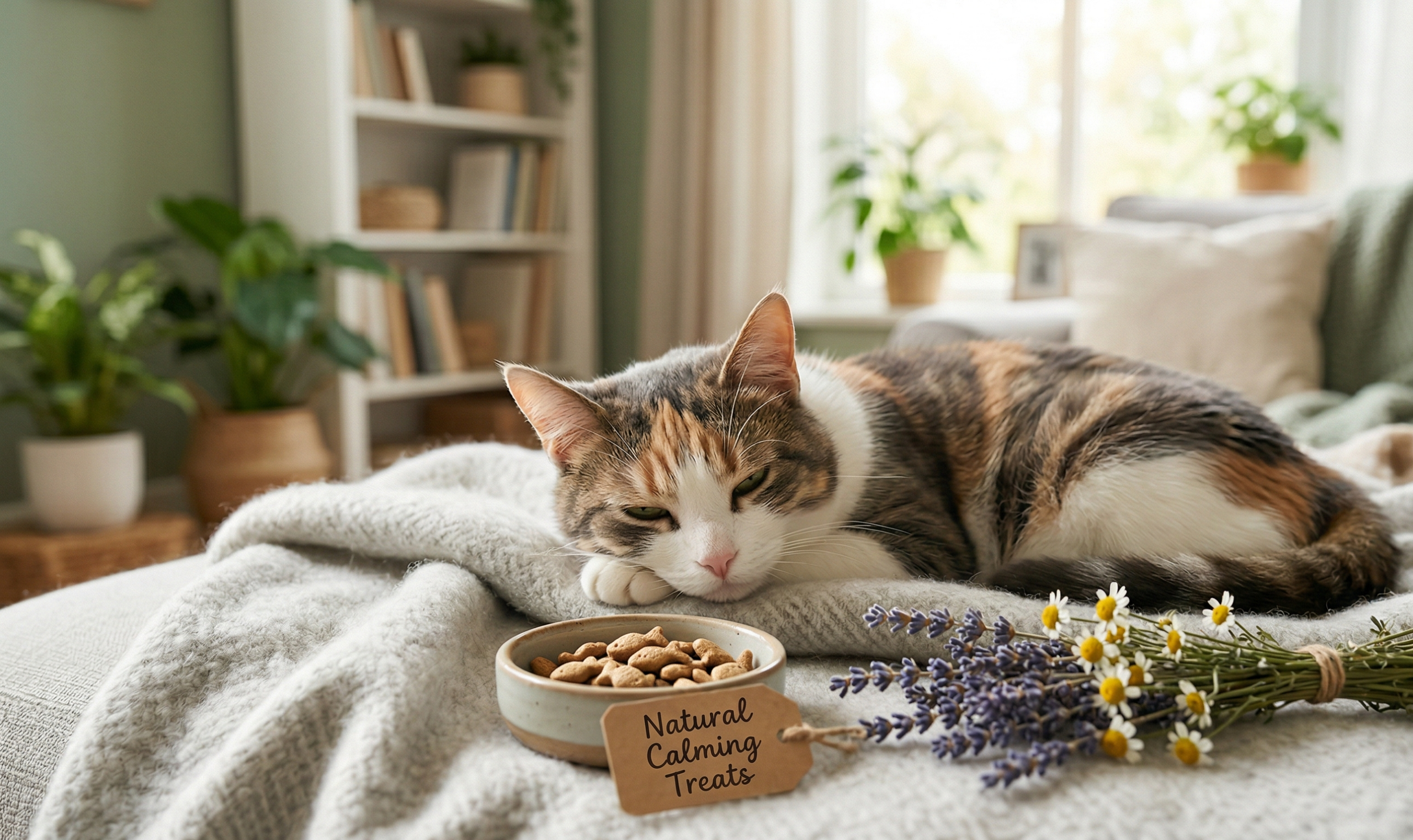
Reduce stress in your cat’s environment, as stress can affect immune system function. Provide quiet spaces, maintain consistent routines, and use calming techniques if needed.
Support overall immune health through proper nutrition. High-quality foods rich in omega-3 fatty acids may help reduce inflammation naturally. Always discuss dietary changes with your veterinarian first.
Minimize walking on rough surfaces by providing soft bedding and gentle flooring options throughout your home.
Monitor carefully for any changes in the paw pads, including increased swelling, bleeding, or signs of infection.
While these natural approaches can provide comfort, pillow foot requires veterinary attention. Your veterinarian may recommend medications or other treatments based on your cat’s specific situation. Delayed treatment could lead to complications.
If you notice any changes in your cat’s paw pads or walking behavior, schedule an appointment with your veterinarian promptly. Early intervention gives your feline friend the best chance for a comfortable recovery.