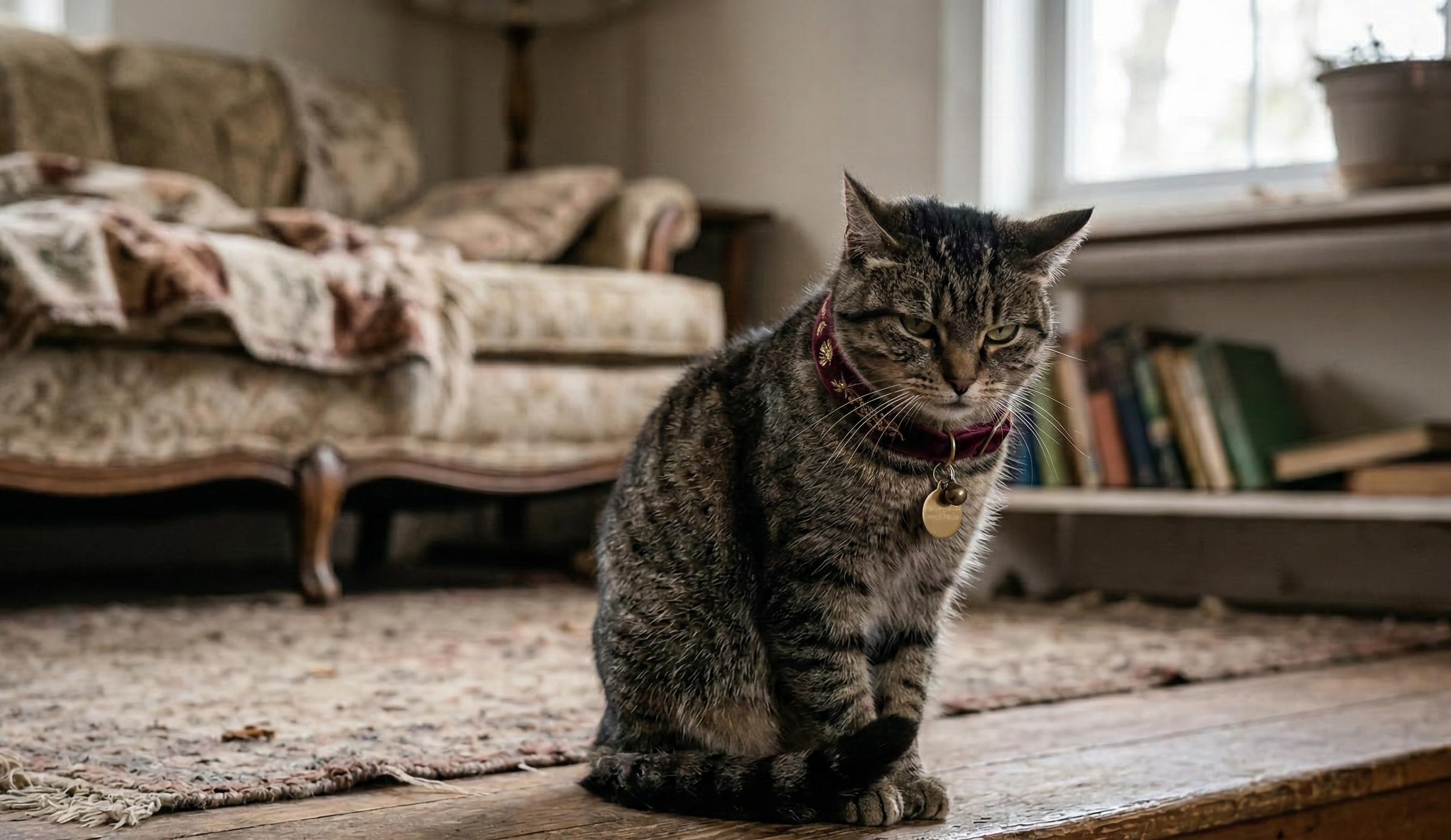

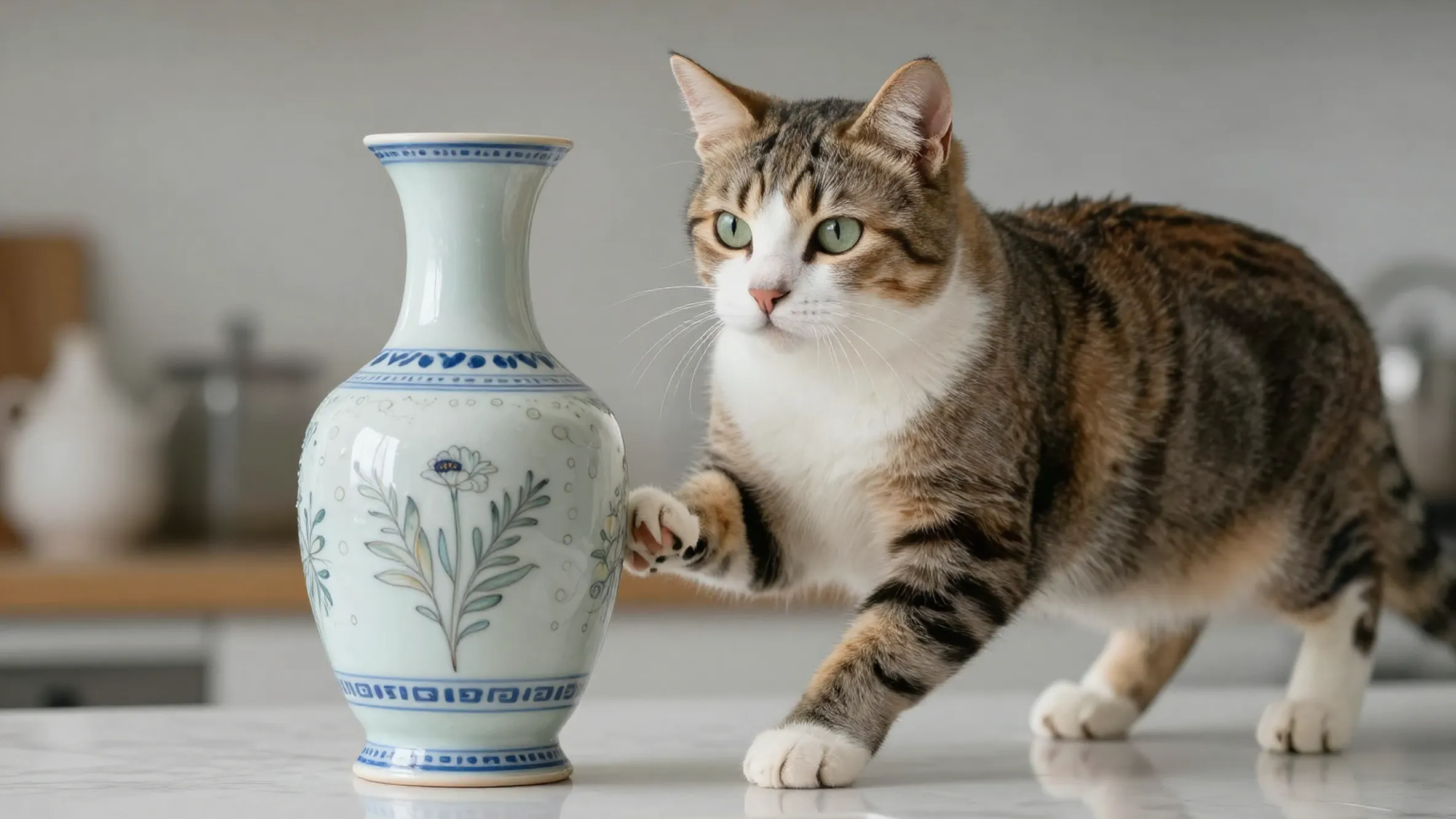
If you share your home with a cat, you’ve probably watched in disbelief as they deliberately push your phone, keys, or favorite mug right off the counter. This behavior is actually quite common among our feline companions, and understanding why they do it can help you manage the situation better.
Natural Hunting Instincts
Cats are natural-born hunters, even when they’re well-fed and living comfortably indoors. When your cat paws at objects on counters or shelves, they’re engaging their prey drive. In the wild, cats would bat at small animals to test if they’re alive and worth hunting. Your cat is doing the same thing with your belongings—they’re curious about whether that object will move, run away, or react in some interesting way.
Seeking Attention
Many cats quickly learn that knocking things over gets an immediate response from the humans in their household. Whether you run over to stop them or pick up the fallen item, you’re giving your cat exactly what they want: attention. Even negative attention can be rewarding for a cat who feels ignored or bored.
Boredom and Lack of Stimulation
Cats need mental and physical enrichment throughout the day. When they don’t have enough toys, playtime, or environmental stimulation, they create their own entertainment. Watching objects fall and crash to the ground provides excitement and stimulation that might be missing from their daily routine.
Testing Their Environment
Cats are incredibly curious creatures who like to understand their surroundings. By pushing objects, they’re learning about cause and effect, gravity, and how different items behave. This exploratory behavior helps them feel more confident and in control of their territory.
How to Reduce This Behavior
While you can’t completely eliminate your cat’s natural instincts, you can redirect them. Provide interactive toys and regular play sessions that satisfy their hunting drive. Consider puzzle feeders that challenge their mind during mealtime. Create vertical spaces with cat trees where they can climb and observe without accessing your belongings.
Keep counters and shelves clear of tempting objects when possible. Use museum putty or non-slip mats to secure items you must keep out. Most importantly, avoid giving attention when they knock things over—instead, reward them with treats and praise when they leave objects alone.
If this behavior seems excessive or is accompanied by other unusual behaviors, schedule a visit with your veterinarian. Sometimes increased activity or destructive behaviors can indicate underlying health issues or anxiety that need professional evaluation.