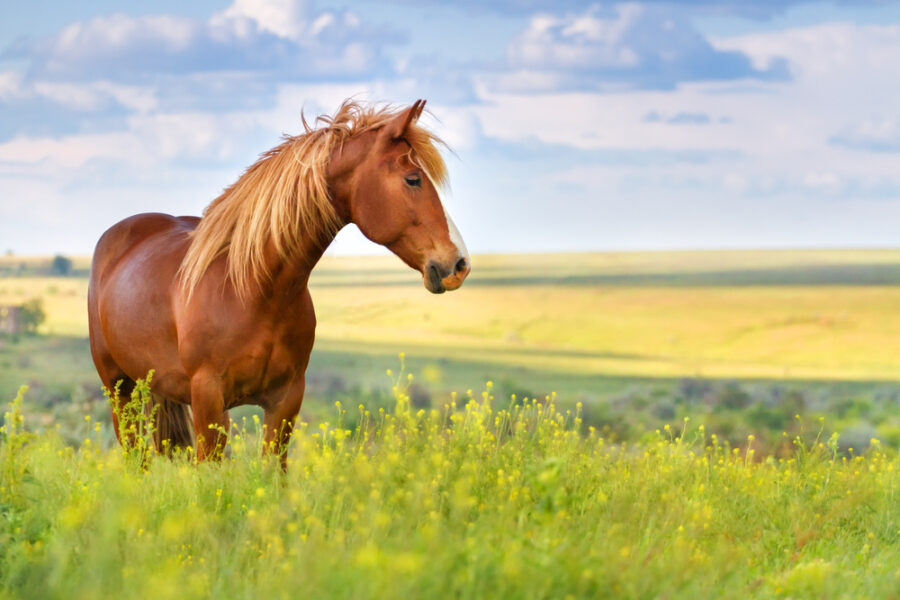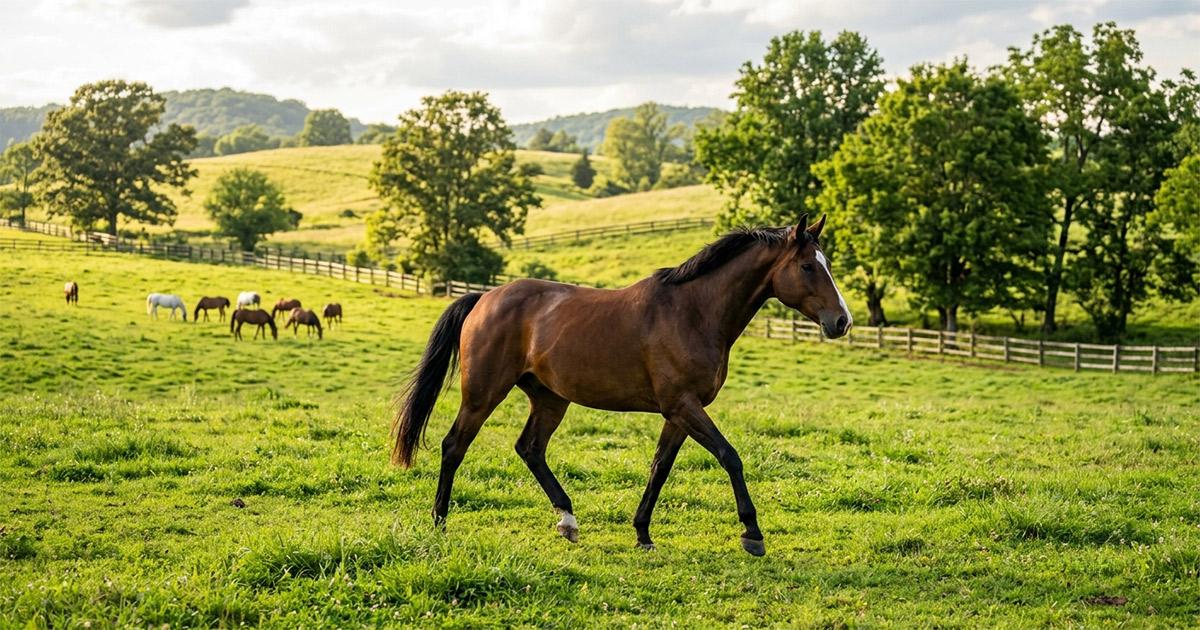
Horses were designed to move. In the wild, they naturally travel many miles each day while grazing, socializing, and exploring their environment. This constant, low-intensity movement supports healthy joints, muscles, digestion, circulation, and mental well-being.
Modern horse management often requires stabling or smaller paddocks, but extended confinement can have unintended consequences for both physical and emotional health. By understanding a horse’s natural need for movement, owners can make management choices that promote healthier, happier horses.
Natural Movement Patterns in Wild Horses
Wild horses rarely stand still for long periods. Research has shown that free-ranging horses may travel anywhere from 10 to 20 miles (16 to 32 kilometers) each day while searching for forage and water. Rather than engaging in intense exercise, they spend most of their day walking at a slow, consistent pace.
Their daily routine includes:
- Grazing for 14 to 18 hours
- Walking between feeding areas
- Interacting with herd members
- Resting in short intervals
- Exploring varied terrain
This continuous movement naturally maintains flexibility, circulation, hoof health, and digestive function while helping prevent excessive wear on any one part of the body.
How Confinement Affects Physical and Mental Health
While stalls provide valuable protection during severe weather, illness, or injury, prolonged confinement limits many of the natural behaviors horses evolved to perform.
Without regular movement, muscles become less active, joints receive less lubrication, circulation slows, and boredom can develop. Even horses receiving daily riding sessions often spend 20 or more hours standing relatively still.
The result is often a combination of physical stiffness and mental frustration that may affect overall wellness and performance.
Effects of Limited Movement
Joint Stiffness
Healthy joints depend on regular motion. Walking helps circulate synovial fluid, which lubricates cartilage and delivers nutrients throughout the joint.
When horses remain stationary for long periods, they may experience:
- Reduced flexibility
- Stiffness after standing
- Increased discomfort in aging horses
- Slower warm-up before exercise
Gentle, consistent movement throughout the day often supports better joint mobility than relying solely on one daily workout.
Digestive Slowdown
The equine digestive system functions best when horses eat small amounts while moving throughout the day. Walking stimulates normal intestinal motility and encourages healthy gut function.
Limited movement may contribute to:
- Slower digestion
- Increased risk of impaction
- Reduced water intake
- Less efficient forage utilization
Combining frequent forage access with regular turnout helps mimic natural grazing behavior.
Behavioral Issues
Mental health is closely tied to physical freedom. Horses unable to express natural behaviors may develop signs of frustration or stress.
Common confinement-related behaviors include:
- Weaving
- Stall walking
- Cribbing
- Pawing
- Wood chewing
- Excessive vocalization
- Depression or withdrawal
These stereotypic behaviors often indicate unmet behavioral needs rather than simple “bad habits.”
Benefits of Turnout and Free Movement
Providing regular turnout offers benefits that extend far beyond exercise.
Improved Musculoskeletal Health
Walking across varied terrain strengthens muscles, tendons, ligaments, and bones while promoting flexibility and balance.
Better Hoof Health
Regular movement increases circulation within the hoof capsule, encourages healthy hoof growth, and naturally wears the feet on appropriate terrain.
Healthier Digestion
Constant movement encourages efficient gastrointestinal function, supports healthy gut microbes, and promotes more natural feeding behavior.
Reduced Stress
Freedom to move, graze, and interact with companions allows horses to express instinctive behaviors that help reduce stress and anxiety.
Improved Respiratory Health
Outdoor environments generally provide better air quality than enclosed barns, reducing exposure to dust and ammonia that can irritate sensitive airways.
Enrichment Strategies for Stalled Horses
Sometimes stall confinement is unavoidable due to injury recovery, weather, or medical treatment. In these situations, enrichment can help reduce boredom and encourage gentle movement.
Consider incorporating:
- Multiple small hay nets placed safely around the stall
- Slow feeders that extend eating time
- Safe toys designed for horses
- Regular hand walking when approved by a veterinarian
- Grooming and massage sessions
- Visual contact with other horses
- Windows or open stall fronts when appropriate
Small environmental changes can significantly improve a confined horse’s quality of life.
Designing Movement-Friendly Environments
Even limited acreage can encourage more daily movement through thoughtful design.
Ideas include:
Create Track Systems
Track or “paddock paradise” layouts encourage horses to walk greater distances between water, shelter, minerals, and forage.
Separate Resources
Placing hay, water, and mineral stations in different areas naturally encourages walking throughout the day.
Rotate Grazing Areas
Rotational grazing promotes fresh forage while encouraging exploration of new pasture sections.
Add Natural Obstacles
Logs, gentle hills, varied footing, and safe terrain changes stimulate both physical activity and mental engagement.
Maximize Turnout Time
Whenever safe and practical, extending turnout hours allows horses to maintain more natural movement patterns.
Supporting Movement Throughout Every Stage of Life
Movement requirements change throughout a horse’s life, but the need for regular activity never disappears. Young horses develop stronger bones and coordination through free play, performance horses recover more efficiently with light movement between workouts, and senior horses often remain more comfortable when allowed to walk freely throughout the day.
The goal isn’t simply providing exercise—it is creating opportunities for continuous, natural movement that supports every body system.
The Bottom Line
Freedom of movement is one of the most important—and often overlooked—components of equine wellness. While modern management sometimes requires periods of confinement, providing regular turnout, encouraging daily walking, and designing environments that promote natural movement can improve joint health, digestion, hoof quality, behavior, and overall quality of life.
By working with a horse’s natural instincts instead of against them, owners can help create healthier, happier horses for years to come.