Watching your dog recover from spay or neuter surgery can pull at your heartstrings. They may seem groggy, uncomfortable, and not quite themselves. While this is a common and routine procedure.
Your role in the spay/neuter surgery recovery process is the most critical factor for a smooth and speedy healing journey. Proper post-op care isn’t just about following instructions; it’s about providing comfort, preventing complications, and showering them with patience.
This comprehensive guide will walk you through every step of your dog’s surgery recovery, from pre-op preparation to emotional support, ensuring you feel confident and capable as your best friend heals.
Pre-Surgery Prep: Setting the Stage for a Smooth Recovery
A successful spay/neuter surgery recovery begins before you even leave for the vet. A little preparation can significantly reduce stress for both you and your dog.
- The Pre-Op Consultation is Key: This is your opportunity to ask questions. Discuss the ideal timing for the surgery, especially for large breed dogs where waiting until skeletal maturity (around 12-18 months) may be recommended to support joint health.
- Fasting Instructions are Non-Negotiable: Your vet will ask you to withhold food and water for a specific period before the dog surgery. This is crucial for preventing aspiration during anesthesia. Follow these guidelines strictly, no matter how convincing those puppy-dog eyes are.
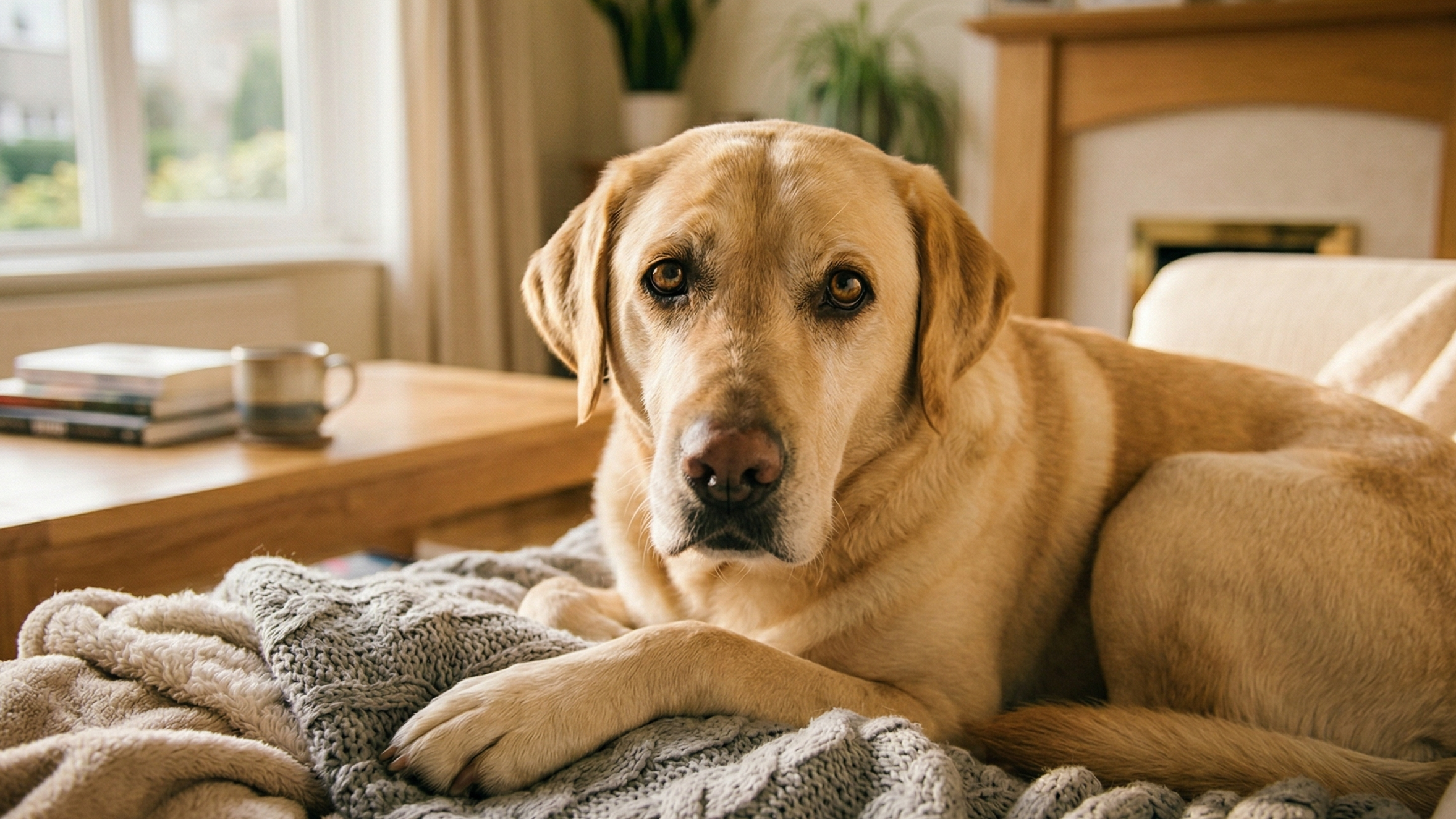
- Prepare the Recovery Sanctuary: Before surgery day, set up a quiet, comfortable area for your dog. This should include a soft bed, fresh water, and easy access. Consider using baby gates to confine them to a calm part of the house.
The First 24-48 Hours: Critical Post-Op Care Steps
When you bring your dog home, they will likely still be under the effects of anesthesia. This period requires gentle vigilance.
1. Create a Calm, Comfortable Recovery Space
Place your dog in their pre-prepared area on a soft blanket. Keep the environment quiet and free from excitement. Other pets and children should give them space to rest.
2. Manage Pain Effectively
Your veterinarian will provide pain medication. Administer it exactly as prescribed. Do not give any human pain relievers, as they can be toxic to dogs. Effective pain management is the cornerstone of a comfortable spay/neuter surgery recovery.
3. Offer Food and Water Gingerly
Start with small amounts of water. If they can keep it down, offer a small, bland meal. A temporary loss of appetite is normal, but it should return within 48 hours. Contact your vet if your dog isn’t drinking water or eating after this period.
The First Two Weeks: Guiding the Healing Process
The incision heals from the inside out, so even if it looks good on the surface, internal stitches are still mending.
The Golden Rule: Restrict Activity
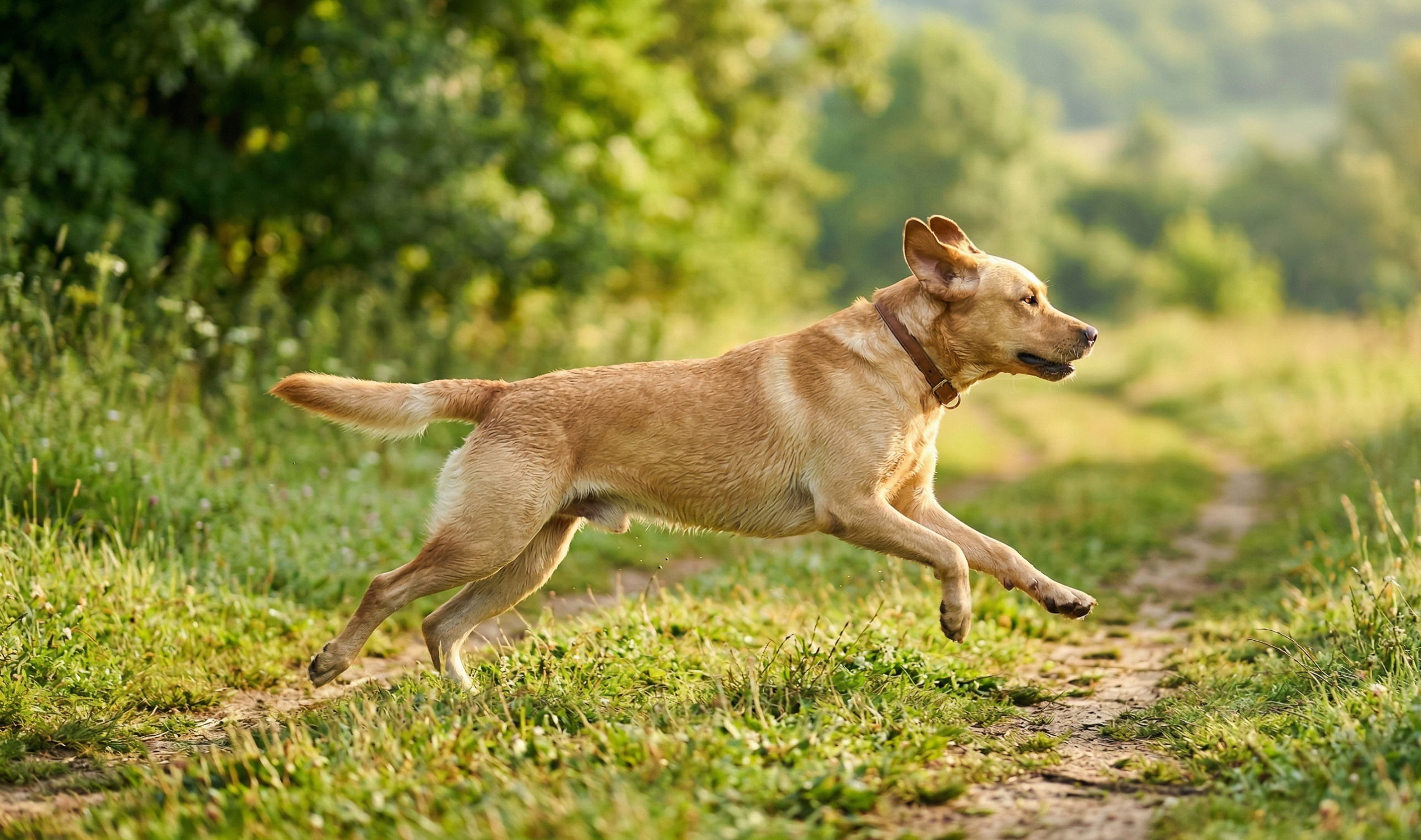
This is the most challenging but most important part of post-op care. For 10-14 days, you must prevent running, jumping, and rough play.
- Use a leash for all bathroom breaks, even in the yard.
- Avoid stairs when possible; carry small dogs.
- Skip walks beyond brief potty trips. Mental stimulation (like lick mats or food puzzles) can help curb boredom without physical exertion.
Incision Inspection: Monitor the Site Closely
Check the incision at least twice daily. What you want to see is a clean, closed incision with slight pinkness around the edges. Contact your vet immediately if you notice:
- Significant redness or swelling
- Pus or discharge
- A foul odor
- The incision opening up
Keep it Dry! No baths until your vet gives the all-clear, usually after 14 days. Moisture can lead to infection.
The Cone of Shame is a Cone of Love
An Elizabethan collar (e-collar or cone) or a medical recovery suit is essential to prevent licking and chewing. Licking introduces bacteria and can tear internal stitches, leading to serious complications. Ensure the cone is on whenever you cannot directly supervise your dog.
Providing Emotional Support During Recovery
Your dog may feel vulnerable. Your calm presence is a powerful medicine.
- Soothing Presence: Sit with your dog, speak in a soft voice, and offer gentle petting (away from the incision).
- Maintain Routine: Stick to regular feeding times and quiet rituals to provide a sense of security.
- Positive Reinforcement: Reward calm behavior with quiet praise and healthy treats.
What Behavioral Changes to Expect After Spaying/Neutering
As your dog heals, you may notice some long-term behavioral shifts. Spaying or neutering often leads to:
- Reduced roaming and urine marking in males
- Elimination of heat cycles in females
- A potential decrease in certain types of aggression
Remember, these changes can vary. The primary health benefits include preventing unwanted litters and reducing the risk of certain cancers and infections.
When to Call the Veterinarian
While some discomfort is normal, be alert for signs of serious complications. Contact your vet if you observe:
- Lethargy or depression lasting more than 24 hours
- Repeated vomiting or refusal to eat/drink after 48 hours
- Signs of significant pain (whining, trembling, hiding)
- Any of the incision issues mentioned above
FAQs: Spay/Neuter Surgery Recovery for Dog
How long does it take for a dog to recover from spay/neuter surgery?
Most dogs need 10-14 days for the initial healing phase. The internal healing takes longer, which is why activity restriction for the full two weeks is crucial.
Can my dog sleep with me after surgery?
It’s best for your dog to sleep in their own bed or crate during recovery to prevent accidental injury from jumping on/off the bed or being jostled during sleep.
What can I use instead of a cone?
Alternatives include inflatable “donut” collars, recovery suits (surgical onesies), or soft cones. Ensure whatever you choose effectively prevents your dog from reaching the incision.
Is it normal for my dog to whine after surgery?
Some whining is normal due to disorientation from anesthesia or discomfort. However, persistent whining or signs of distress could indicate pain, and you should contact your vet.
Why is my dog not pooping after surgery?
This is common. Anesthesia, fasting, and pain medication can cause constipation. If your dog hasn’t had a bowel movement after 2-3 days, consult your veterinarian.
Can my dog go up and down stairs after surgery?
It’s best to avoid stairs for the first few days. If unavoidable, carry small dogs and assist large dogs with a harness and leash, taking steps slowly.
When can my dog take a bath after being spayed/neutered?
Wait until the incision is fully healed and any stitches have been removed or dissolved, typically around 14 days. Always get your vet’s final approval first.
Conclusion:
Navigating your dog’s spay/neuter surgery recovery is an act of love. By combining diligent post-op care with plenty of patience and affection, you are giving your canine companion the best possible chance for a quick and uncomplicated healing process. Within a couple of weeks, with your dedicated support, your dog will be fully recovered and ready to return to their happy, active life by your side.
Want to feel even more confident in caring for your pet’s health? Explore our comprehensive online dog courses at the Animal Wellness Academy to deepen your understanding of canine first aid, nutrition, and holistic care practices.