
There are numerous reasons why a horse might stop eating, and getting to the root cause is essential. It’s always important to consult with your veterinarian, but these seven steps will help you understand the potential causes and solutions when you have a horse that won’t eat.
Anorexia in horses is a complex issue that can stem from various causes. Understanding them is the first step in ensuring your horse’s health and well-being. Along with your veterinarian, you can explore solutions that include changing their feed, creating a comfortable feeding environment, introducing new feeding techniques, and nutritional supplements. Let’s learn more about supporting a horse that won’t eat and common reasons for this issue.
1. Identify the Cause
A horse might stop eating for many reasons, and it’s important to consult with a veterinarian who can diagnose the underlying problem. Some of the most common reasons a horse might stop eating include:
- Dental/oral problems
- Environmental stressors
- Gastrointestinal upset
- Age
- Illness, pain, or other health issues
- Change in routine, location, diet, or living conditions
- Medication
- Lack of exercise or boredom
- Dehydration
- Lack of essential vitamins and minerals
- Parasites
2. Check the Quality and Palatability of Their Feed
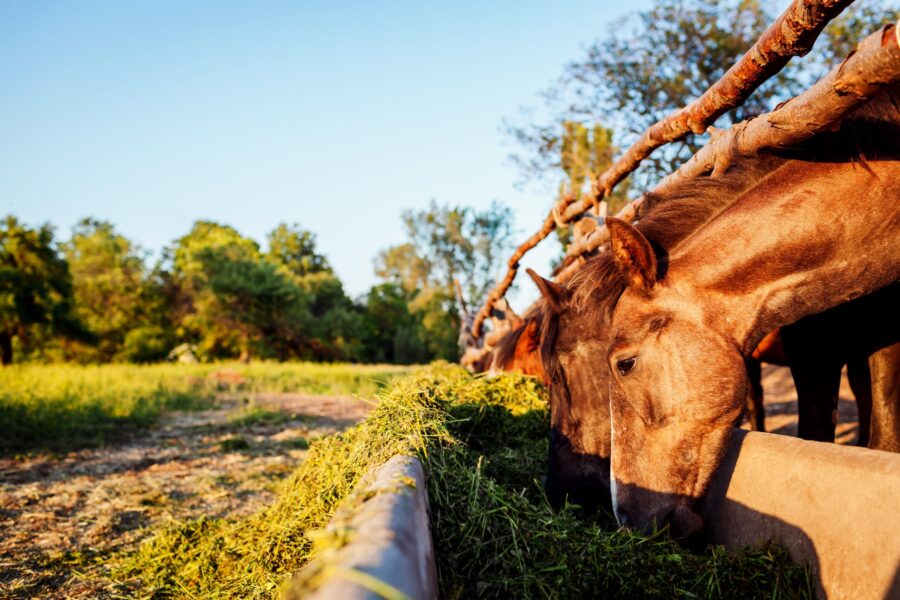
Horses can become bored with their food, especially if they aren’t getting a lot of variety in their diet. If you think food boredom might be why your horse won’t eat, try offering different types of feed and fresh forage that offer new flavors and textures.
3. Make Their Feeding Environment Comfortable
Stress is a common reason explaining why a horse won’t eat, and making sure they feel comfortable can make all the difference. That includes making sure they can reach feed without straining, having companions nearby so they don’t feel isolated, and ensuring their feeding area is quiet and calm.
4. Try Something New with Their Feed
When you have a horse that won’t eat, the solutions will vary depending on the cause. However, that doesn’t necessarily mean you need to switch their food. Sometimes, you can find a solution by making a simple change to their regular diet. Here are some ideas:
- Try soaking their grain or hay in water before feeding to make it easier to chew and digest
- Add electrolytes to their water to potentially encourage drinking and appetite
- Include molasses, apple sauce, or other flavor enhancers to make the feed more appealing
5. Change the Way They Eat
Switching how you feed your horse may encourage them to eat more. For example, you can use a slow feeder, set up multiple feeding stations, offer smaller and more frequent meals, or increase their turnout.
6. Consult with Your Veterinarian
Finding the right solution may take time and a multi-faceted approach. Keep in touch with your veterinarian while you’re managing the situation. Contact your veterinarian immediately if you notice weight loss, lethargy, changes in behavior, or other concerning symptoms.
7. Try a Nutrient-Dense Supplement for a Horse that Won’t Eat
Equine GI Support from Standard Process provides whole foods, nutrients, and prebiotic fibers to support adequate nutrition and antioxidant signaling pathways. You can give it to horses who are traveling, in training, experiencing a change in routine, or have limited access to pasture.
Visit Standard Process to learn more.