Imagine a therapy that moves beyond medicine—a therapy where a horse is involved. At Texas A&M University, Dr. Deanna Kennedy and her team explore how horseback riding helps people battling Parkinson’s disease regain control over their bodies and lives. This pilot study about equine-assisted therapy for Parkinson’s disease offers a fresh perspective on healing, blending science with the unique bond between horse and human.
The Healing Power of Horseback Riding
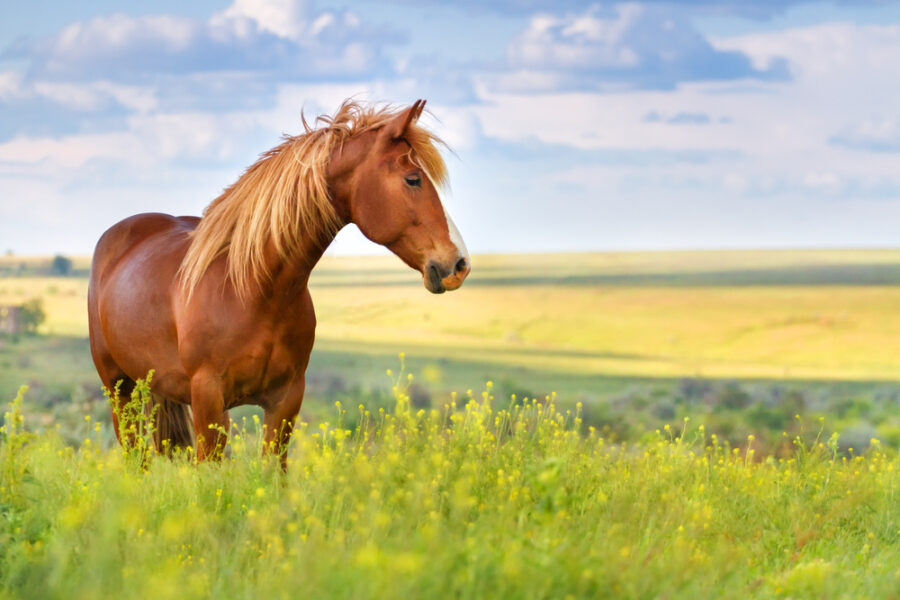
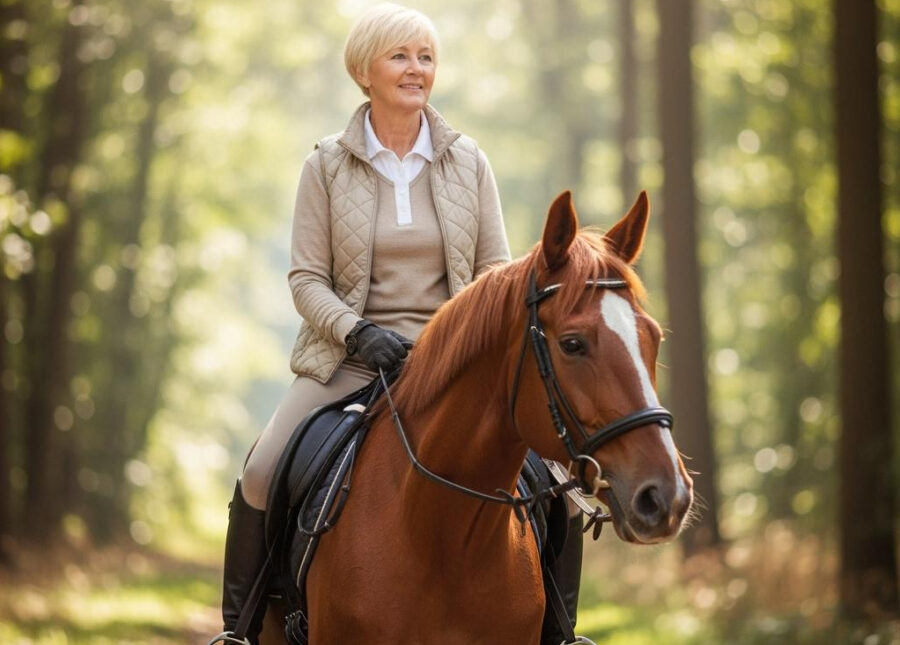
Parkinson’s disease often affects coordination and stability, leaving many feeling trapped in their own bodies. The study taps into the horse’s natural, rhythmic movement to counteract these challenges. As horses walk, their gait mimics the human walking pattern, gently encouraging riders to engage core muscles and improve balance. Riders have shared stories of renewed hope and subtle yet meaningful progress. Their experiences highlight how this therapy goes beyond physical improvement—it nurtures emotional strength and a sense of freedom.
Building on Proven Success with Cerebral Palsy
Equine-assisted therapy is not new. It has helped individuals with cerebral palsy for years, thanks to the horse’s steady movement and the deep emotional bond formed during sessions. The study’s research team extends these findings to Parkinson’s patients, aiming to create a larger program that measures long-term benefits.
A Vision for the Future of Parkinson’s Care
The pilot study represents a hopeful step toward integrating horseback riding into mainstream Parkinson’s therapy. There are hopes that this research will attract funding and inspire other institutions to explore equine-assisted therapy’s full potential. For those living with Parkinson’s, this approach offers more than physical gains—it offers a renewed sense of possibility and joy. As the study progresses, it invites caregivers, therapists, and the equine community to join a conversation about innovative, compassionate care.
Why This Matters to the Equine Community
Every horse involved in equine-assisted therapy for Parkinson’s disease becomes a partner in healing. Guardians of these horses play a crucial role, providing safe, nurturing environments that allow horses to thrive and offer their unique gifts. Supporting such programs not only advances medical research but also celebrates the profound impact horses have on human health. Sharing these stories encourages awareness and sparks meaningful dialogue about alternative therapies that honor the horse and human bond.