
Hairballs are a common concern for many cat owners. If you have seen your cat gag, cough, or vomit a clump of fur, you are not alone. While hairballs are normal in small amounts, frequent or painful episodes may signal an issue that needs your attention.
This guide explains what causes hairballs, how to manage them, and when to consult your cat’s veterinarian. The aim is to help you understand your cat’s behavior and improve their comfort and health with simple steps.
What Is a Hairball?
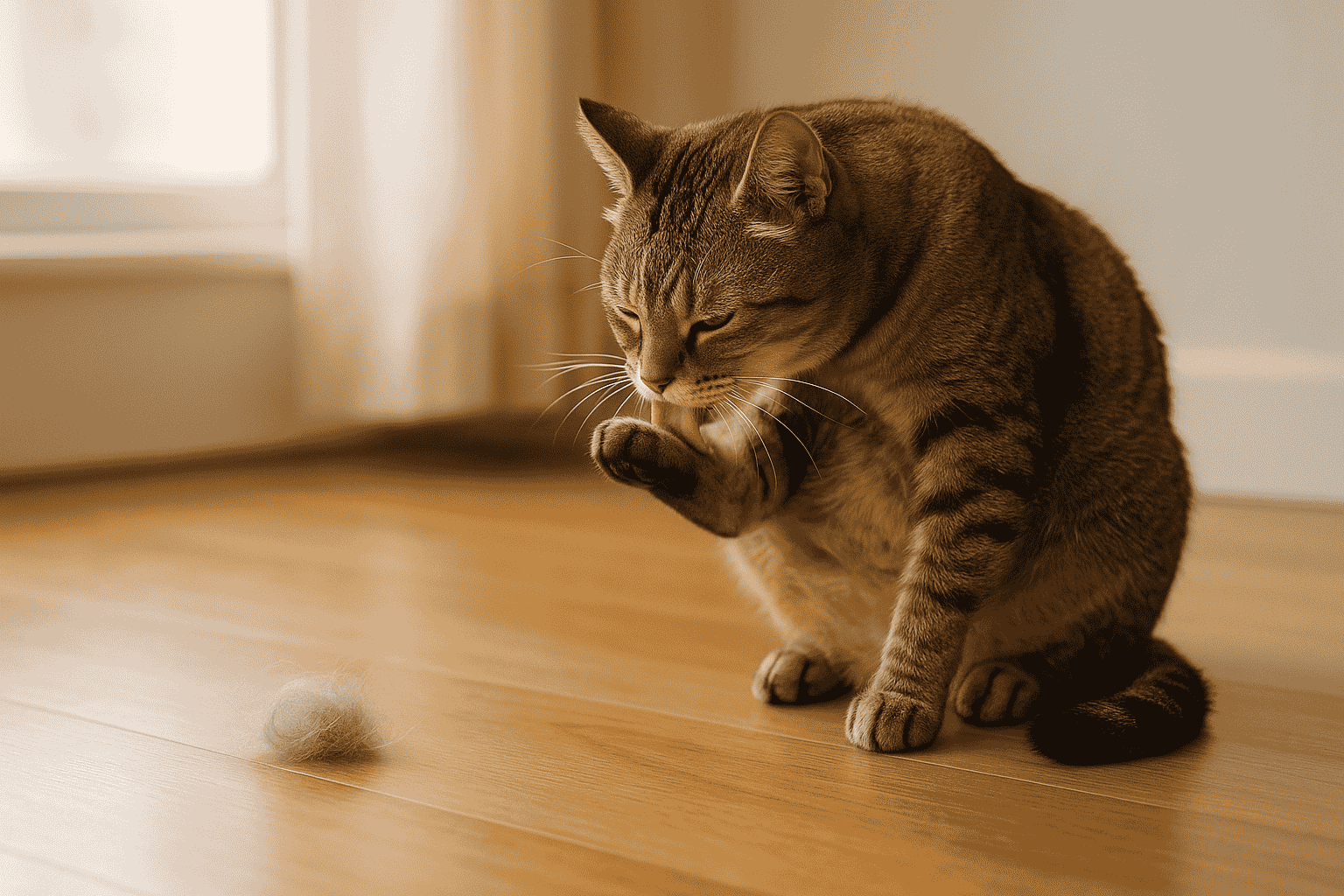
A hairball is a collection of swallowed fur that builds up in a cat’s stomach. When a cat grooms, its tongue pulls loose hair from its coat. Some of this hair passes through the digestive system and exits in the stool. However, some hair remains in the stomach. Over time, this hair clumps together to form a ball. When the hairball becomes too large to pass naturally, the cat vomits it.
Hairballs are more common in cats that shed often, groom frequently, or have longer fur. While an occasional hairball is expected, frequent hairballs can indicate a problem with digestion, grooming habits, or your cat’s overall health.
Why Do Cats Get Hairballs?
Hairballs form during the grooming process. Cats use their tongues to clean their fur. Their tongues are covered in tiny hook-shaped structures. These hooks catch loose hair, and the cat swallows it.
In most cases, the hair passes through the body without causing harm. However, if too much hair accumulates in the stomach, it cannot pass through the intestines easily. This is when the body reacts by forcing the hairball out through vomiting.
Cats that are more likely to develop hairballs include:
- Long-haired breeds such as Persians or Maine Coons
- Cats that shed heavily
- Cats that groom themselves or other cats frequently
- Indoor cats with less seasonal shedding control
- Older cats that spend more time grooming
Signs of Hairballs in Cats
It is essential to recognize the early signs of hairball issues. This allows you to act before the problem becomes more serious. Common signs include:
- Coughing or gagging
- Vomiting fur or foam
- Lack of appetite
- Lethargy or low energy
- Hard stools or constipation
- Swollen abdomen or signs of discomfort
In most cases, the cat vomits the hairball and returns to normal behavior. However, if your cat keeps gagging without producing a hairball, it could mean the hairball is stuck. This can lead to a blockage, which needs veterinary care.
How to Reduce Hairballs
You cannot stop your cat from grooming, and it’s best not to try. Grooming is natural and healthy. But you can reduce the amount of loose hair your cat swallows and help the hair move through the digestive system more easily. Here are proven steps you can follow at home.
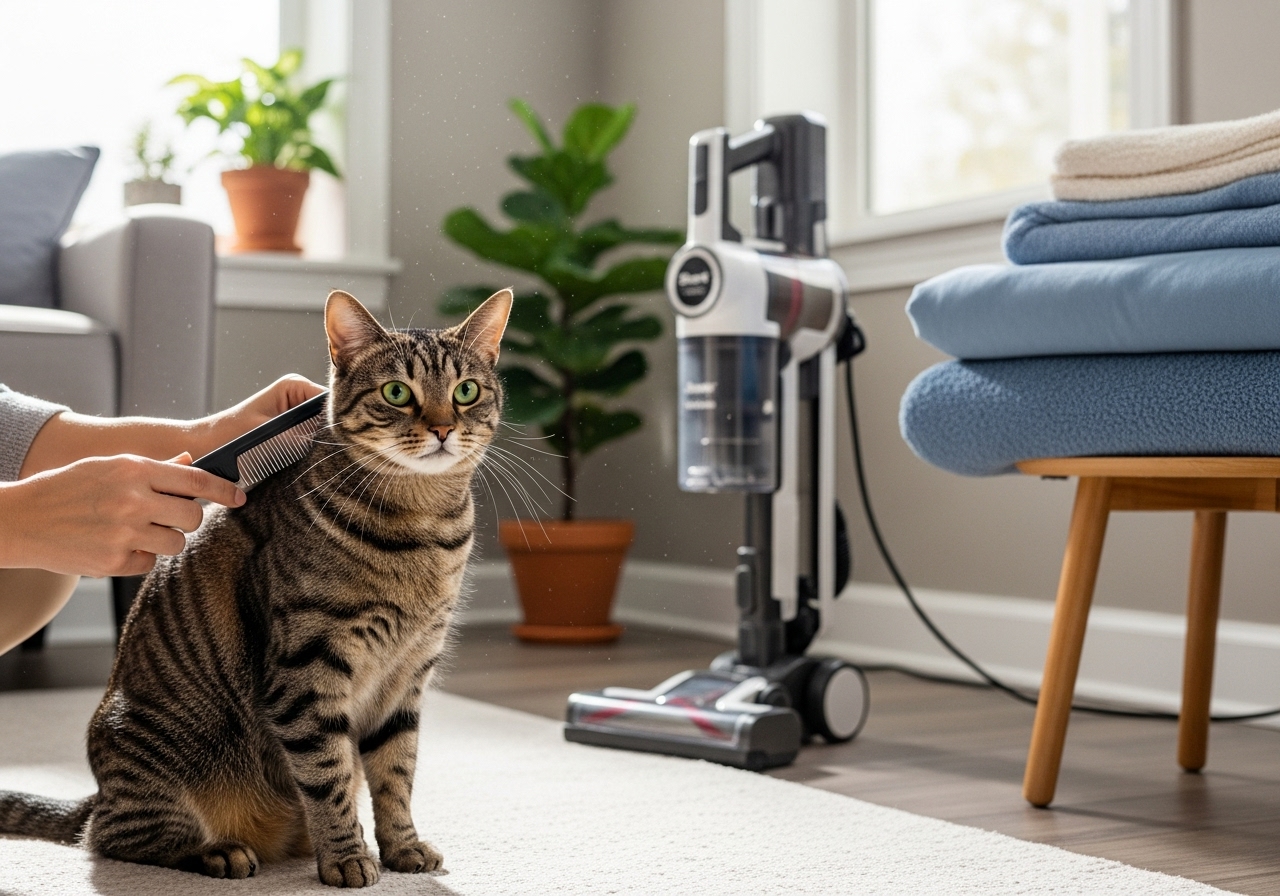
- Brush Your Cat Regularly
Brushing is the most effective way to reduce hairballs. When you remove loose fur with a brush, your cat swallows less hair during grooming.
For long-haired cats, daily brushing is ideal. For short-haired cats, brushing two to three times a week can make a big difference. Use a soft brush or a grooming glove that suits your cat’s coat type.
Regular brushing also helps you bond with your cat and lets you check for skin problems, tangles, or other issues.
- Feed Hairball-Control Cat Food
Some cat foods are made to reduce hairballs. These foods contain more fiber to help move hair through the digestive system. They also include oils or nutrients that support healthy skin and reduce shedding.
You can switch your cat to a hairball formula gradually over a week. If your cat likes the taste and shows improvement, you can continue with this food as a long-term solution.
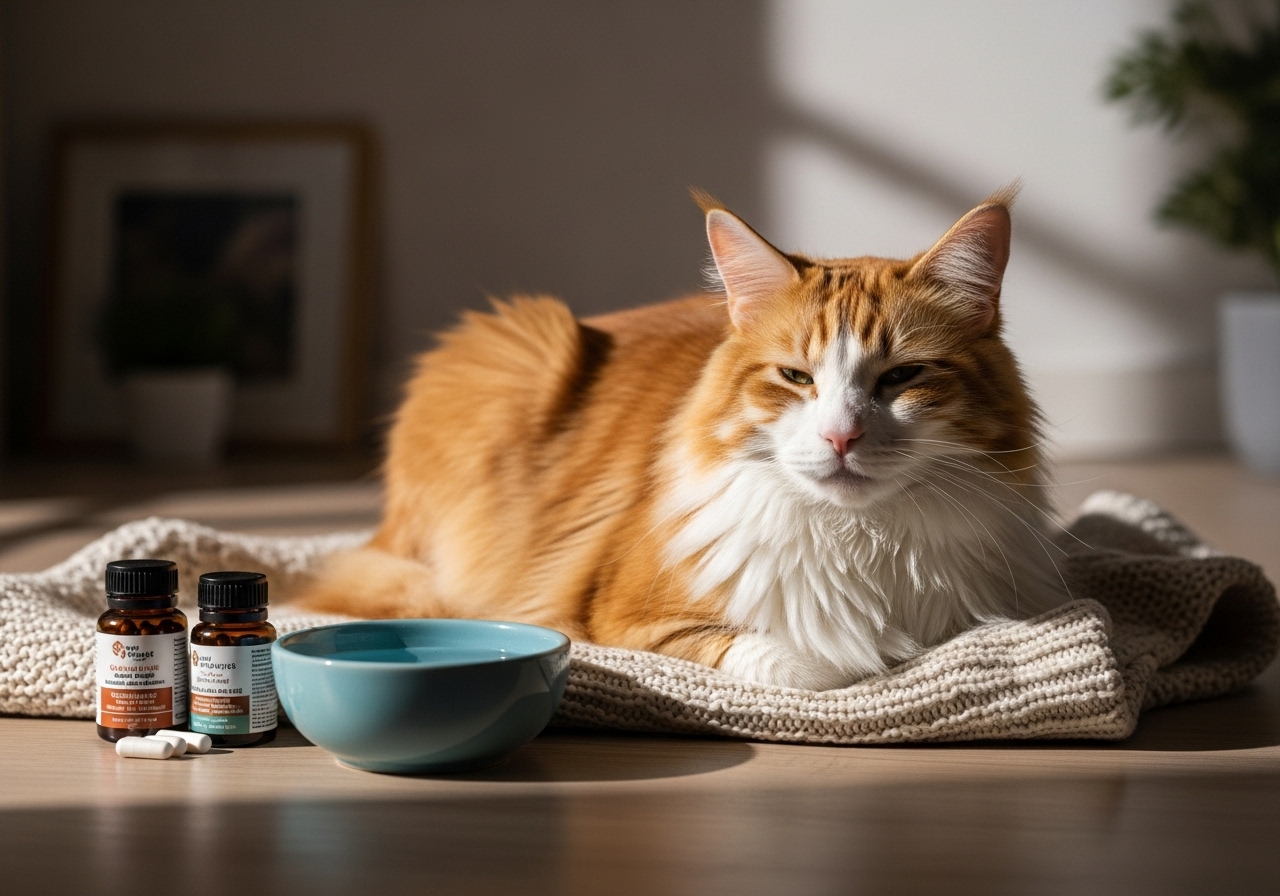
- Keep Your Cat Hydrated
Water helps digestion. A hydrated cat is more likely to pass swallowed hair through the intestines without forming a ball.
Provide clean, fresh water at all times. Some cats prefer moving water, so a pet fountain can encourage them to drink. You can also increase moisture by feeding your cat wet food in addition to dry food.
- Add Fiber to the Diet
Fiber supports digestion and helps hair pass through the gut. You can offer fiber-rich treats or ask your veterinarian about fiber supplements specifically designed for cats.
Do not give human fiber products unless directed by your vet. Cats require specific amounts, and excessive intake can cause stomach upset.
- Limit Overgrooming
Cats may groom too much due to boredom, stress, or skin irritation. If your cat seems to lick or chew constantly, try these steps:
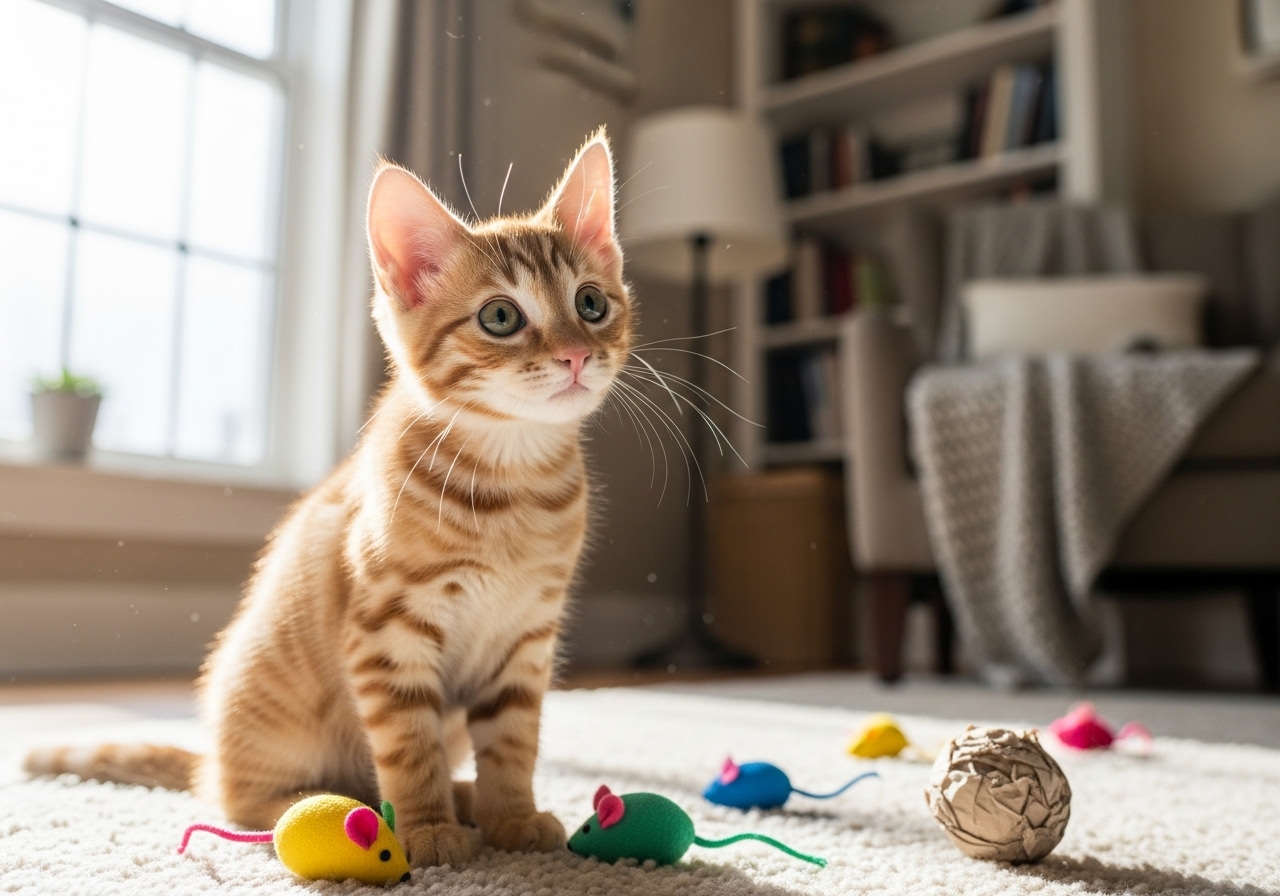
- Add toys or climbing posts to keep your cat active
- Create a calm space for your cat to rest
- Use gentle shampoos to reduce itching (if recommended by your vet)
- Monitor for signs of anxiety or skin problems
If overgrooming persists, consult a veterinarian or a behavior expert for assistance.
When to See a Vet?
Hairballs are usually harmless, but in some cases, they require medical attention. If you notice any of the signs below, take your cat to the vet:
- Frequent vomiting or gagging with no hairball
- Refusal to eat or drink
- Weight loss
- Signs of pain or a hard, bloated stomach
- Lethargy lasting more than a day
These signs may indicate a blockage or another issue in the digestive system. Your vet may recommend imaging tests or medication to help your cat recover.
Preventing Future Hairball Problems
Prevention is better than treatment. Once you have managed the current hairball issue, focus on establishing long-term habits to keep your cat healthy.
- Maintain a grooming schedule and make it a regular part of your routine.
- Watch for seasonal shedding and brush more often during those times
- Feed a balanced diet that supports digestion and coat health
- Keep your cat mentally and physically active
- Visit the vet for regular checkups
These habits can reduce the amount of hair swallowed and lower the chance of future problems.
If you need more care advice, visit Animal Wellness Academy for clear and helpful resources made for everyday pet owners. Our content is based on practical tips and expert knowledge to help you solve common problems and gain a deeper understanding of your cat. Learn more today and give your cat the care they deserve.
Frequently Asked Questions:
How often should I expect my cat to have a hairball?
Most healthy cats may vomit a hairball once every few weeks. If hairballs occur more than once a week, consider adjusting grooming habits or diet.
Are hairballs more common in long-haired cats?
Yes. Long-haired cats swallow more fur while grooming. They need more frequent brushing to prevent hairballs.
Can I give my cat human fiber supplements to help with hairballs?
No. Only give products made for cats. Human supplements can cause digestive issues in cats. Always consult your veterinarian before adding any new supplements.
Is it safe to switch my cat to a hairball-control food?
Yes, but do it gradually over several days. Gradually mix the new food with the old one in increasing amounts to minimize stomach upset.
How can I tell if a hairball is causing a blockage?
Look for signs like repeated gagging with no result, no appetite, bloating, or weakness. If any of these occur, contact your veterinarian immediately.
Do indoor cats have more hairball issues than outdoor cats?
Yes. Indoor cats often groom more and shed year-round. This increases the chance of hairball buildup.
Final Thoughts
Hairballs are a regular part of cat life, but they can become a problem if they happen too often or cause discomfort. Most hairballs can be managed with simple lifestyle changes, such as regular brushing, a high-fiber diet, and adequate water intake. Watch your cat’s behavior and take action when you see signs of trouble.
Your cat depends on you for care and comfort. By taking a few minutes each day to brush, check their food, and encourage play, you can help your cat stay healthy and happy, without the mess and stress of frequent hairballs.