Canine parvovirus (CPV) is one of the most feared diseases in dogs. It spreads quickly, devastates young and unvaccinated dogs, and carries a high mortality rate without urgent care.
While many articles cover symptoms and prevention, few go in-depth on long-term recovery, owner challenges, environmental management, and the immune system’s role.
This article takes a complete look, from early warning signs to aftercare and practical advice, so owners and veterinarians can approach parvo systematically.
What is Canine Parvovirus?
Canine parvovirus (CPV) is a viral disease that primarily attacks the gastrointestinal tract and bone marrow of dogs. Identified in the late 1970s, it rapidly became a global epidemic due to its contagious nature. Despite vaccines, outbreaks still occur, especially in areas with low vaccination rates.
How the Virus Works
The virus targets rapidly dividing cells, such as those in the intestines and bone marrow. As a result:
- The intestinal lining is destroyed, causing diarrhea and nutrient malabsorption.
- The immune system is weakened due to bone marrow suppression.
- Secondary bacterial infections often worsen the illness.
How Parvovirus Spreads
The virus is highly stable in the environment. It can survive for months in soil, kennels, and household surfaces. Common transmission routes include:
- Direct contact with infected dogs
- Contact with contaminated feces, bowls, toys, or bedding
- Indirect spread via shoes, clothing, or hands of pet owners
Because of its resilience, cleaning and disinfection are crucial, and ordinary household cleaners are often ineffective.
Symptoms of Canine Parvovirus
Early Warning Signs
- Sudden loss of appetite
- Fever or hypothermia
- Lethargy and weakness
Progression of Illness
- Severe vomiting
- Bloody, foul-smelling diarrhea
- Rapid dehydration
- Abdominal pain and bloating
- Collapse or shock in advanced cases
Breed and Age Risk Factors
Certain breeds show higher vulnerability, including:
- Rottweilers
- Doberman Pinschers
- American Pit Bull Terriers
- German Shepherds
- English Springer Spaniels
Young puppies (6 weeks to 6 months) are most at risk, particularly before completing their vaccine series. Genetics, maternal antibody levels, and immune system strength all influence susceptibility.
Diagnosis and Veterinary Evaluation
Physical Exam and History
Veterinarians look for classic symptoms in unvaccinated or partially vaccinated dogs.
Diagnostic Testing
- Fecal ELISA test: Fast, in-clinic antigen detection.
- Bloodwork: Reveals low white blood cell counts.
- Advanced testing: PCR can confirm parvovirus DNA.
Treatment of Canine Parvovirus
There is no cure for CPV. Treatment is supportive and aims to stabilize the dog until its immune system can overcome the infection.
Hospitalization and Intensive Care
- IV fluids restore hydration and electrolytes.
- Nutritional support prevents further weakness.
- Anti-nausea drugs control vomiting.
- Broad-spectrum antibiotics prevent secondary infections.
Recovery Outlook
- Without treatment, mortality rates exceed 90%.
- With intensive care, survival improves to 70–90%.
- Puppies that survive usually develop lasting immunity.
Preventing Canine Parvovirus
Vaccination
- Puppies: Begin at 6–8 weeks, continue every 3–4 weeks until 16–20 weeks old.
- Adults: Regular booster shots maintain immunity.
Hygiene and Disinfection
- Use bleach (1:30 solution) or veterinary disinfectants—most household cleaners don’t work against parvo.
- Wash bowls, bedding, toys, and kennels thoroughly.
- Remove organic matter first, since it can protect the virus from disinfectants.
Reducing Puppy Exposure
- Avoid dog parks and pet stores until vaccinations are complete.
- Limit interaction with unknown dogs.
- Keep sick dogs isolated immediately.
Alternative Options that are Beyond Prevention and Treatment
Detailed Recovery Protocols
Nutrition:
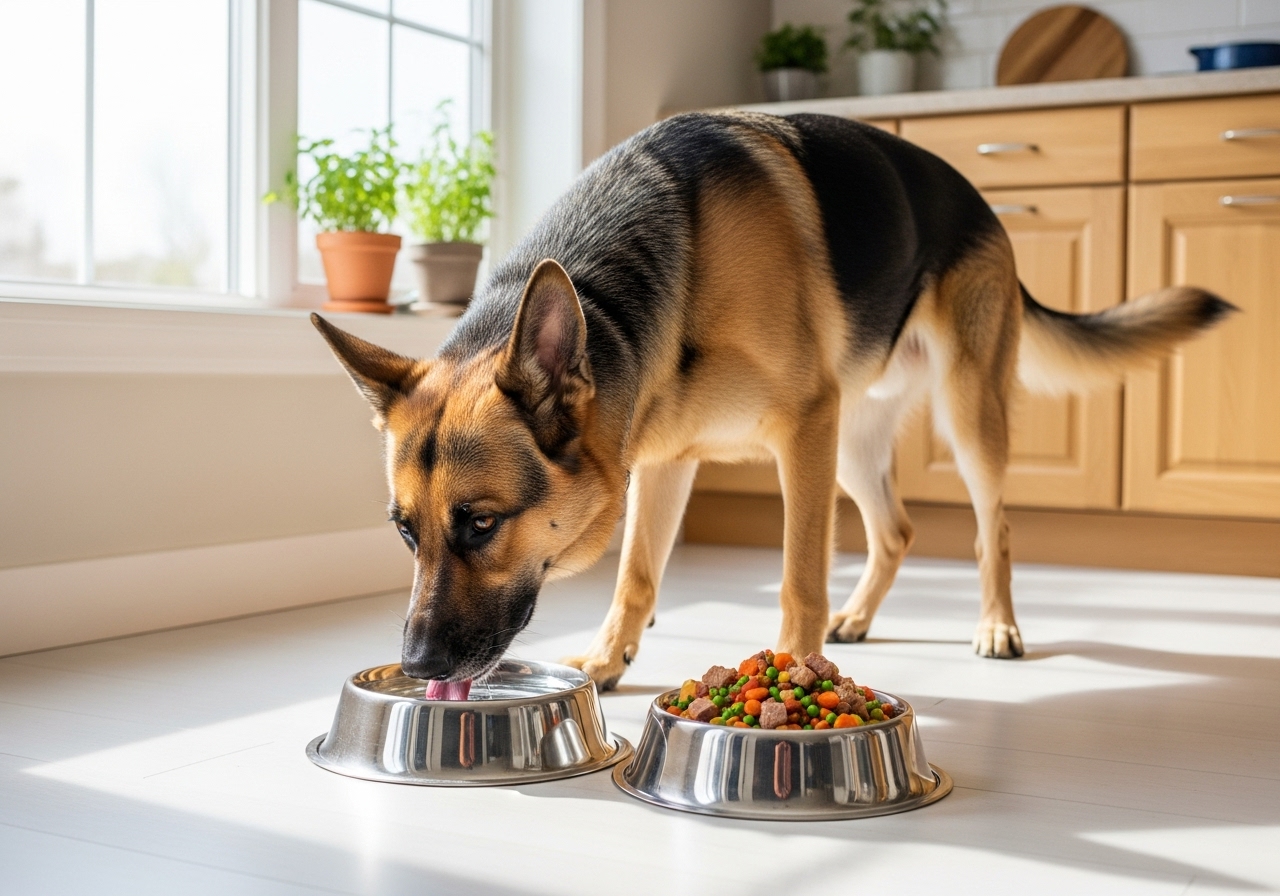
Dogs recovering from parvo often suffer from malnourishment and weakened guts. Feeding small, frequent meals of bland, easily digestible food (boiled chicken, rice, prescription GI diets) is key. Gradual reintroduction of protein and fat helps restore weight without stressing the intestines.
Gut Health and Probiotics:
Parvo damages gut lining and destroys beneficial bacteria. Using probiotics for dogs can restore microbial balance, improve digestion, and strengthen immunity. Pairing probiotics with prebiotics (like inulin or FOS) encourages beneficial bacterial growth.
Stress Management:
Stress weakens the immune response. Recovery plans should include predictable routines, gentle exercise once cleared, and a quiet, safe space for healing.
Step-by-Step Cleaning and Disinfection Advice
Because canine parvovirus can survive up to a year in certain environments, thorough decontamination is critical:
- Remove organic material (feces, dirt, bedding).
- Apply disinfectant: Use bleach (1:30 ratio) or veterinary-approved parvo cleaners.
- Soak surfaces for at least 10 minutes.
- Wash fabrics (blankets, toys) in hot water with bleach where safe.
- Outdoor areas: Sunlight and time are the only true “disinfectants,” but bleach-treated gravel or artificial turf may help reduce viral load.
- Shoes/clothing: Wash with bleach solution or change clothing after contact with infected areas.
These steps help prevent reinfection and reduce community spread.
Owner Perspective and Support
Few articles discuss the emotional and financial toll of parvo. Treatment can cost hundreds to thousands of dollars, leading some owners to face heartbreaking decisions. Beyond finances, the stress of intensive home care—or the guilt if a puppy doesn’t survive—can be overwhelming.
Practical owner support includes:
- Clear discharge instructions from veterinarians
- Guidance on safe at-home care, including medication schedules
- Support groups for owners dealing with parvo loss or recovery
- Financial planning resources or veterinary payment options
By addressing owner needs, veterinarians build trust and improve compliance with long-term care.
Breed Risks and Immune System Insights
While any dog can catch parvo, genetic predisposition plays a role. Certain breeds may lack robust immune responses to CPV, making vaccination even more critical.
Understanding immune suppression in parvo is equally important:
- The virus damages bone marrow, lowering white blood cell counts.
- This leaves dogs defenseless against bacterial infections.
- Immune suppression explains why broad-spectrum antibiotics and probiotics are crucial in supportive care.
Highlighting these points gives owners insight into why parvo is so deadly and reinforces the importance of prevention.
FAQs:
What is canine parvovirus and why is it so dangerous?
Canine parvovirus is a viral disease that attacks the intestines and immune system. It spreads rapidly, is highly resilient in the environment, and can be fatal in puppies if untreated. Its danger comes from both severe dehydration and the immune system collapse it causes.
How can I disinfect my home after parvo?
The virus is resistant to most cleaners. Use a bleach solution (1 part bleach to 30 parts water) or veterinary-approved disinfectants. Thoroughly clean bowls, bedding, crates, and surfaces, and wash fabrics in hot water with bleach where possible. Outdoor soil may remain contaminated for months.
Can certain dog breeds get parvo more easily?
Yes. Breeds like Rottweilers, Doberman Pinschers, Pit Bulls, and German Shepherds are more vulnerable to parvo. Genetics and weaker immune responses in these breeds may contribute to their higher risk.
What should I feed my dog after parvo recovery?
Start with bland, easily digestible foods in small portions, such as boiled chicken and rice or veterinary GI diets. Slowly reintroduce regular food. Probiotics can support gut healing, while balanced nutrition helps rebuild strength.
Can a dog get parvo twice?
Most dogs that survive parvo develop long-term immunity, but reinfection is rare rather than impossible. Keeping up with booster vaccinations offers continued protection.
What are the emotional and financial challenges of parvo treatment?
Treatment is costly, often requiring hospitalization. Owners may face difficult decisions due to financial strain. Emotionally, parvo care is draining—fear, guilt, and stress are common. Support from veterinarians and peer groups can make recovery easier for both dogs and families.
Conclusion: Building Awareness and Resilience
If your dog is showing signs of canine parvovirus — sudden vomiting, bloody diarrhea, lethargy, or anything out of the ordinary — don’t wait to act. Early professional care can make the difference between life or serious illness. Reach out to a licensed veterinarian today for a full evaluation, diagnostics, and a tailored treatment plan. The professionals at Animal Wellness Academy are trained to guide you through every step, from emergency support to long-term recovery care. Your pup deserves the best — contact a vet now to give them the chance they need to heal and thrive.