
Potty training is one of the first major challenges new puppy parents face. Bringing a puppy home is exciting, but accidents on carpets and floors can quickly test your patience.
Many dog owners want to know how to potty train their puppy fast at home without feeling overwhelmed or resorting to punishment. The truth is that while no magic trick can make a dog perfectly trained overnight, consistent routines, positive reinforcement, and the right techniques can drastically speed up the process.
This comprehensive guide will cover everything from the basics of bladder control to advanced strategies like the 3-day potty training trick and the 7-day plan.
You’ll also learn about crate training, pad training versus outdoor training, common mistakes to avoid, and troubleshooting issues with older puppies. By the end, you’ll have a complete roadmap to house training a puppy quickly while maintaining patience and building a lifelong bond.
Why Potty Training Matters
Potty training is more than just preventing messes. It sets the foundation for trust, discipline, and communication. When a puppy understands where they are supposed to go, they gain confidence and security. For the owner, a potty-trained puppy means less stress, less cleaning, and more freedom to enjoy life together.
Well-trained dogs are also more welcome in different environments. A house-trained puppy can visit friends’ homes, travel more easily, and adapt better to new surroundings. Potty training is not just about convenience, it’s about giving your puppy the skills to fit smoothly into family life.
Understanding Puppy Bladder and Bowel Control
One of the biggest mistakes owners make is expecting too much too soon. Puppies don’t have full bladder and bowel control in their early months. A general guideline is that a puppy can usually hold their bladder for one hour for every month of age, up to about six hours. For example:
- At 2 months old, expect them to need a break every 2 hours.
- At 3 months, every 3 hours.
- By 6 months, many puppies can last 5–6 hours during the day and longer at night.
This means frequent trips outside are essential, especially during the first few months. Knowing your puppy’s limits helps you set realistic expectations and prevents frustration.
The Golden Rules of Fast Puppy Potty Training
Consistency is Non-Negotiable
The fastest way to potty train a puppy is to follow a consistent routine. Take your puppy out:
- First thing in the morning
- After eating and drinking
- After naps
- After playtime
- Before bedtime
Consistency builds habits. When your puppy knows what to expect, they learn faster.
Positive Reinforcement Works Best
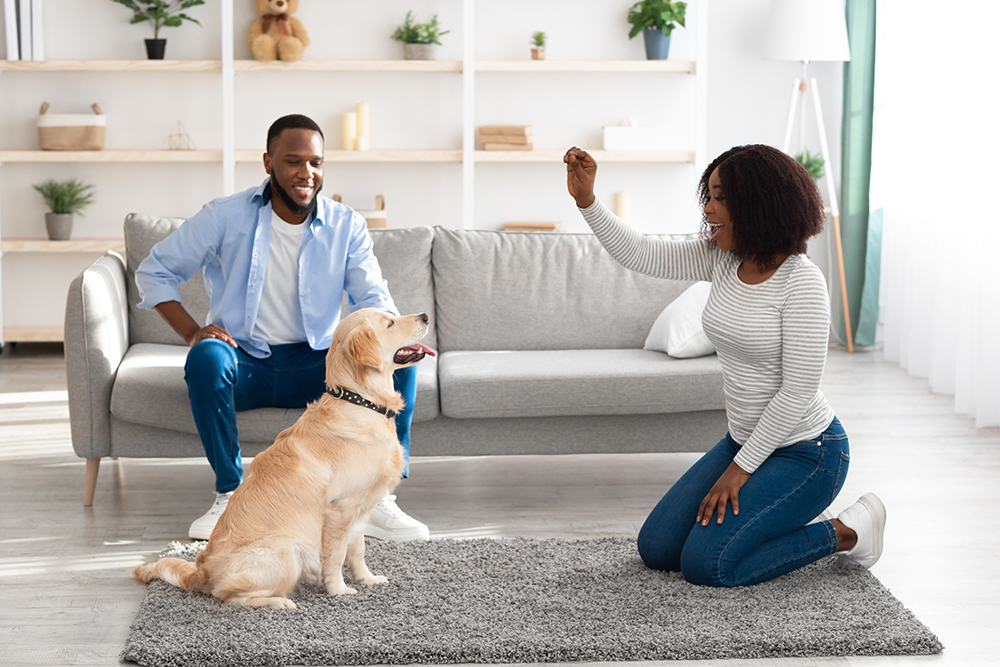
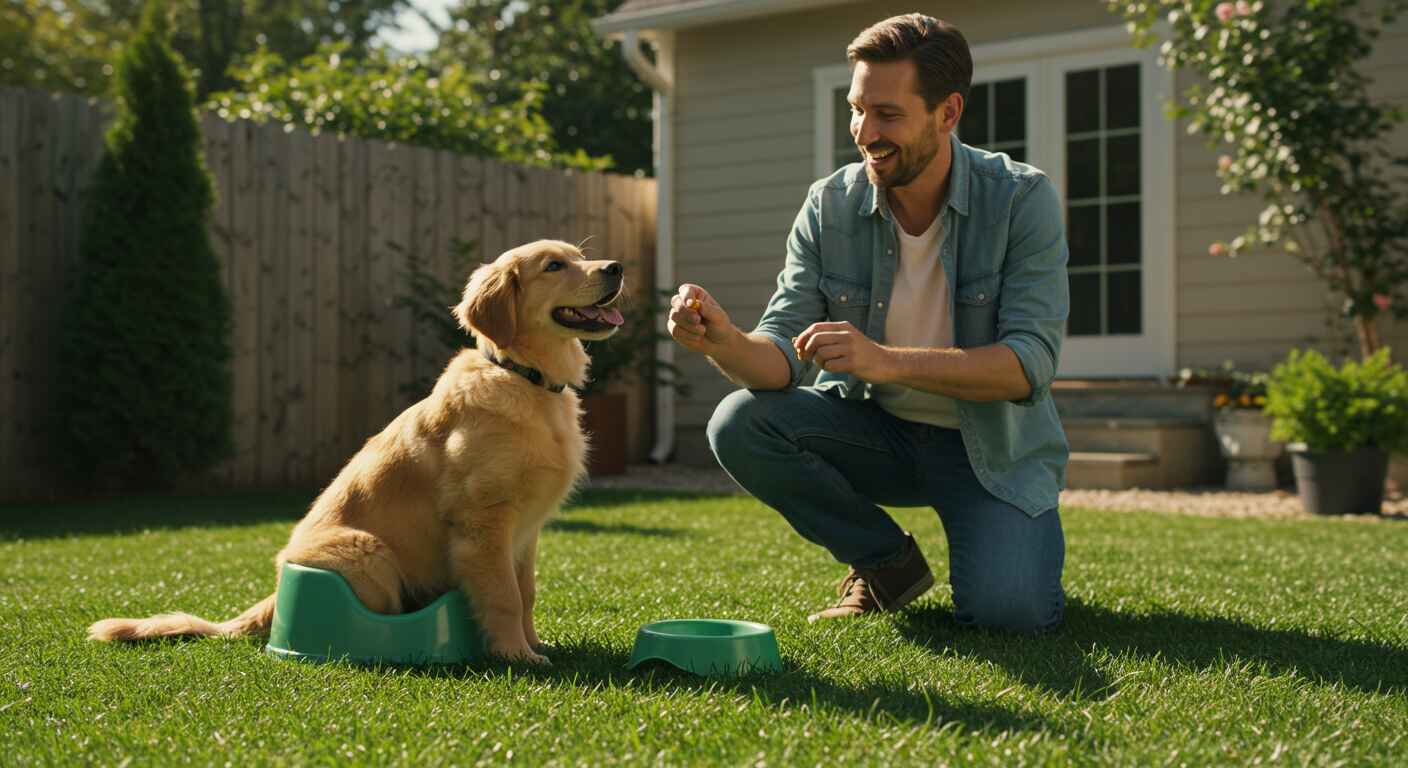
Always reward your puppy immediately after they go in the right spot. This could be a small treat, verbal praise, or a quick play session. The timing is crucial—rewards given too late won’t connect with the desired behavior.
Supervision Prevents Setbacks
Freedom too early leads to accidents. If you can’t watch your puppy closely, confine them to a crate or a small puppy-proofed area. Puppies don’t know the rules unless you guide them, and supervision ensures they get immediate feedback.
Clean Accidents Thoroughly
Puppies often return to the same spot if it smells like urine. Use an enzymatic cleaner designed for pet messes. Regular household cleaners don’t break down odor molecules completely.
Crate Training for Potty Success
Crate training is one of the most effective tools for potty training a puppy fast at home. Dogs naturally avoid soiling their sleeping areas, so a properly sized crate encourages them to hold it until they are let outside.
The crate should be large enough for your puppy to stand, turn, and lie down, but not so big that they can use one side as a bathroom. Introduce the crate gradually with toys and treats so it becomes a positive space. Crating isn’t about punishment—it’s about creating a safe den.
Many owners find that crate training accelerates the potty training process because it teaches bladder control, reduces accidents, and provides structure.
The 3-Day Potty Training Trick
You may have heard of the 3-day potty training method. While it won’t create a fully trained dog in three days, it can give your puppy a strong start.
Day 1 focuses on constant supervision and taking your puppy outside every 30–45 minutes. Day 2 introduces a consistent potty spot so your puppy begins to associate a specific area with bathroom time. Day 3 starts to stretch the intervals between outings slightly, but supervision and immediate rewards remain essential.
By the end of three days, most puppies begin to understand the routine. They may not be perfect, but you’ll see clear progress. Think of it as laying the groundwork for reliable habits.
The 7-Day Puppy Potty Training Plan
If you’re asking how to toilet train a puppy in 7 days, the following plan is a more detailed approach:
Days 1–2: Establish strict routines. Take your puppy out frequently and supervise constantly. Introduce crate time during unsupervised moments.
Days 3–4: Begin to recognize and respond to your puppy’s signals such as circling, sniffing, whining, or heading toward the door. Pair these signals with immediate outdoor trips.
Days 5–6: Introduce verbal cues like “go potty.” This connects the command with the action, helping your puppy understand what’s expected.
Day 7: Review progress. If your puppy has fewer accidents and shows understanding of the routine, continue building consistency. If accidents persist, repeat earlier steps.
The 7-day plan won’t make your dog flawless in a week, but it will establish a rhythm that speeds up full training.
Pad Training vs Outdoor Training
Some owners choose pad training, while others skip directly to outdoor training. Both approaches have their pros and cons.
Potty Training on Pads
Pads can be useful for apartment living or when outdoor access is limited. They provide a backup during bad weather or overnight. However, puppies can become confused when transitioning from pads to outside. To reduce this confusion, gradually move the pads closer to the door, then outside, until your puppy associates the outdoors as their bathroom.
Outdoor Potty Training
Training outdoors from the beginning provides long-term clarity. Puppies quickly learn where they should go, and you won’t have to break them of pad habits later. The downside is the commitment to frequent outdoor trips, no matter the weather or time of day.
Sample Potty Training Schedule
A consistent schedule accelerates training. Here’s an example for a young puppy:
- 6:30 AM – Take outside immediately after waking
- 7:00 AM – Breakfast, then outside
- 9:00 AM – After morning play, outside
- 11:30 AM – Lunchtime, then outside
- 2:00 PM – After nap, outside
- 5:30 PM – Dinner, then outside
- 8:00 PM – After evening play, outside
- 10:00 PM – Final bathroom break before bed
- 2:00 AM – Nighttime trip for very young puppies
This schedule may seem intense, but the structure helps your puppy learn quickly.
Common Mistakes That Slow Progress
Avoiding mistakes is just as important as following the right steps. Common errors include punishing accidents, being inconsistent with schedules, and giving puppies too much freedom too soon. Many owners also fail to clean properly, leaving odors that draw puppies back to the same spot. Remember, accidents are part of the process. Stay patient and persistent.
How Long Does Potty Training Really Take?
Owners often ask how long it takes for puppies to potty train. The average is four to six months for reliable training, though some learn much faster. Breed, age, size, and consistency all play roles. Small breeds may take longer because they have smaller bladders. Some individual puppies pick up habits quickly, while others need more time.
Troubleshooting Older Puppies
If you’re still struggling with accidents at five months or older, don’t panic. At this stage, puppies are capable of holding it longer, so recurring issues may signal gaps in the routine or even medical concerns. Reinforce crate training, stick to a tighter schedule, and rule out health issues with your veterinarian. With consistency, even late learners can catch up.
FAQs:
What is the fastest way to potty train a puppy?
The fastest method combines a strict routine, crate training, and immediate rewards. Take your puppy outside frequently and praise them the moment they go in the right spot.
What is the 3-day potty training trick?
The 3-day method involves constant supervision, outdoor trips every 30–45 minutes, and consistent use of a potty spot. It doesn’t guarantee perfection in three days but helps establish strong early habits.
What is the 10-10-10 rule for puppies?
This rule means taking your puppy out 10 minutes after eating, 10 minutes after playing, and every 10 minutes while awake. It prevents many accidents during the learning stage.
How long does it take for puppies to potty train?
Most puppies need four to six months for reliable potty training. Some may take longer, especially smaller breeds, while others succeed in just a few weeks with strict consistency.
How to toilet train a puppy in 7 days?
The 7-day method relies on a very structured routine with frequent outings, crate use, and supervision. It builds a strong foundation but should be followed by ongoing training.
How to potty train a puppy to go outside?
Choose a specific outdoor spot, use a consistent command, and reward immediately after your puppy goes. Over time, they’ll associate the command and location with bathroom time.
How to potty train a puppy on pads?
Introduce pads in one location, guide your puppy to them after meals and naps, and reward success. Transition pads toward the door to eventually move training outdoors.
How to potty train a 5-month-old puppy?
At five months, puppies should be capable of holding their bladder longer. Reinforce crate training, maintain a structured schedule, and consult a vet if issues persist.
Conclusion
Learning how to potty train your puppy fast at home requires patience, structure, and a positive mindset. Whether you follow the 3-day trick or the 7-day plan, consistency is the secret to success. Crate training, supervision, and immediate rewards accelerate learning, while avoiding common mistakes prevents setbacks.
Every puppy is different—some master potty training quickly, while others take longer. Stay patient, stay consistent, and celebrate small victories. With time and effort, your puppy will grow into a reliable, well-trained companion who knows exactly where to go.
If you’d like expert guidance and structured lessons to make training even easier, explore the Online Dog Courses at Animal Wellness Academy. Their professional programs are designed to help you train with confidence and build a stronger bond with your pup.