Sharing your home with both cats and dogs doesn’t have to mean chaos. With the right choice, your cat can relax on the windowsill while your dog naps on the rug. No hissing. No chasing. Just calm and comfort.
The secret is choosing from cat friendly dog breeds that are known to do well in multi-pet homes.
If you’re a cat owner thinking about adding a dog, your first question is probably: “Which breeds are safe and respectful around cats?”
Every pet is unique, but some breeds are naturally better suited to live with felines.
In this guide, we’ll explore the best—and worst—dog breeds for cats so you can create a happy, stress-free home for all your pets.
What Makes a Dog Breed Cat Friendly? (The Key Traits)
Before we dive into specific breeds, let’s understand the “why.” A cat friendly dog breed typically possesses a combination of innate characteristics that make them less likely to see a feline as a squeaky toy or a territorial threat.
Low Prey Drive: The Most Important Factor
A dog’s “prey drive” is its instinct to chase, capture, and sometimes kill small, fast-moving creatures. This is the single biggest factor in cat-dog compatibility. Breeds historically used for hunting, like terriers or hounds, have a high prey drive that can be difficult to manage around a skittering cat. The best dog breeds for cats have a low prey drive, meaning they are more likely to observe a cat’s movements with curiosity rather than a compulsive need to give chase.
A Calm, Patient Temperament
Energy levels matter. A dog with a calm, patient disposition is less likely to overwhelm a cat with boisterous play. While some cats can match a dog’s energy, many prefer a more relaxed companion. Breeds known for their steady nerves and tolerance are ideal, as they won’t be easily provoked by a defensive hiss or swat. This gentle nature is a hallmark of many cat friendly dog breeds.
Trainability and Adaptability
Intelligence and a willingness to please make a world of difference. A trainable dog can learn commands like “leave it” or “stay,” which are invaluable during introductions and daily interactions. Adaptable breeds can adjust to the presence of a cat without seeing it as an intrusion, understanding that the cat is part of the family pack. This social intelligence is a key trait for any dog living with cats.
The Best Cat Friendly Dog Breeds for a Serene Home
Now for the fun part! Let’s explore some of the top contenders for your cat’s new best friend, categorized to help you find the perfect fit for your home and lifestyle.
Gentle Giants: Large Cat Friendly Dog Breeds
Don’t let their size fool you. Many large dogs are among the most cat friendly dog breeds you can find. Their typically calm demeanor and confidence mean they don’t feel the need to assert dominance over smaller animals.
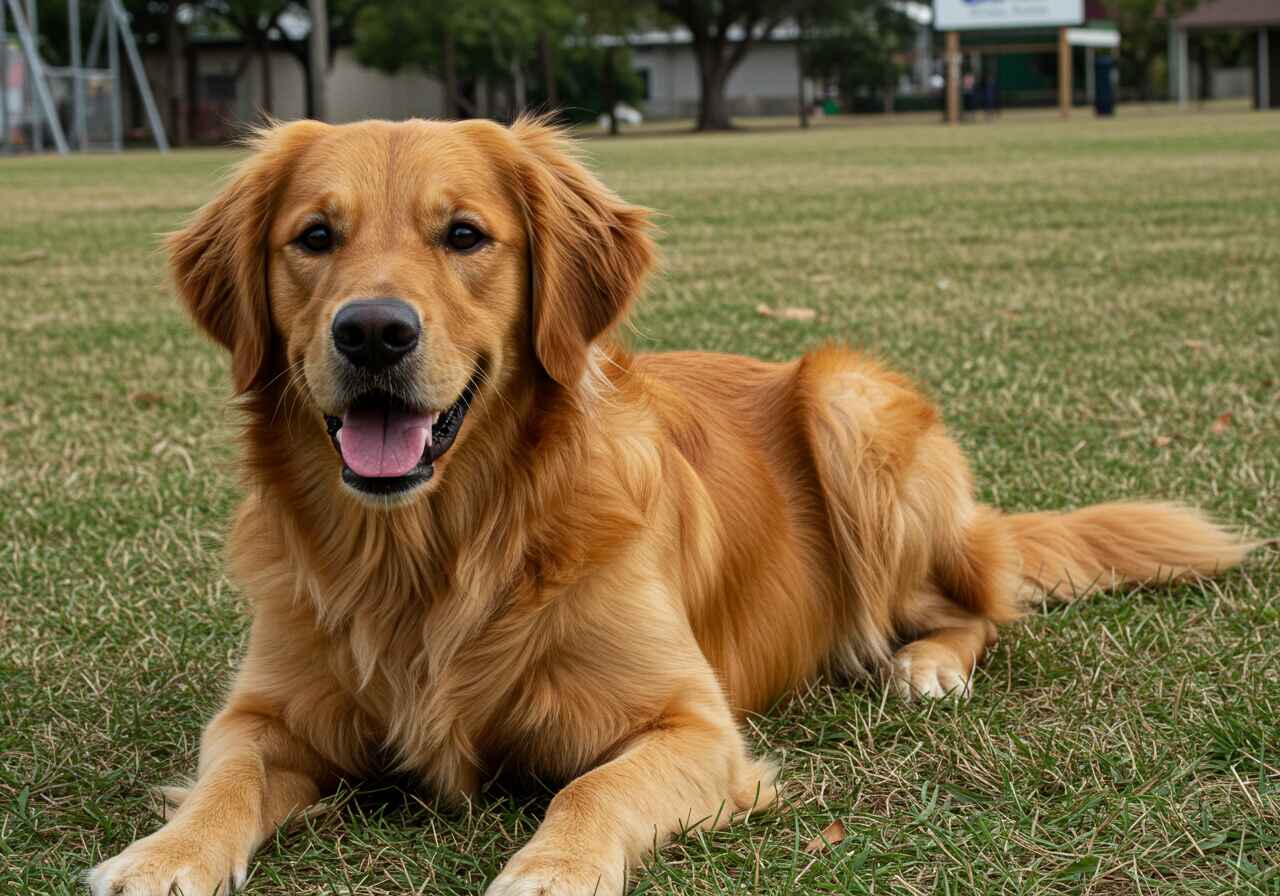
- The Golden Retriever: This one is the best choice for cat and dog owners. The quintessential family dog, Goldens are famous for their friendly, tolerant, and eager-to-please attitude. Their gentle mouth (bred for retrieving game without damage) and social nature make them excellent candidates for living with cats.
- The Newfoundland: Known as the “nanny dog,” Newfies are legendary for their patience and sweet temperament. They are remarkably gentle with children and other pets, often taking on a protective role. Their low energy level is a great match for a cat’s sedentary lifestyle.
- The Bernese Mountain Dog: Another gentle giant, the Bernese is calm, easygoing, and devoted to its family. They tend to be less interested in chasing and more interested in lounging, making them a wonderful, low-stress companion for a resident cat.
Perfectly Proportioned: Medium-Sized Breeds for Feline Friends
Medium-sized dog breeds for cats offer a great balance—substantial enough not to be intimidated, but not so large as to be overwhelming.
- The Cavalier King Charles Spaniel: Bred for companionship, Cavaliers are affectionate, gentle, and incredibly adaptable. They simply want to be with their people (and animal friends) and are typically unfazed by the presence of a cat.
- The Basset Hound: With their “what’s the rush?” attitude, Basset Hounds are one of the most easygoing cat friendly dog breeds. Their low energy and stubborn streak mean they’re far more likely to nap than chase, and their pack-oriented nature can extend to feline siblings.
- The Beagle: While Beagles have a strong nose, their curiosity about a cat is often more about sniffing than stalking. As a pack hound, they are social and can integrate a cat into their “pack,” especially if socialized together from a young age.
Small but Mighty: Compact Companions for Cats
For apartment dwellers or those with particularly timid cats, a small cat friendly dog breed can be an excellent choice.
- The Pug: Pugs are lovers, not hunters. Their primary goals in life are to eat, snuggle, and be adored. Their lazy and friendly disposition means they pose little threat to a cat, and they often enjoy having another warm body to nap with.
- The Shih Tzu: Bred to be royal lap warmers, Shih Tzus have a sweet, placid temperament. They are not known for high prey drive and are generally content to coexist peacefully with a feline roommate.
- The Papillon: Don’t let their delicate appearance fool you; Papillons are intelligent and trainable. While curious, they are not typically aggressive, and their small size is less intimidating to a cat.
Breathe Easy: Low-Shedding Dogs That Are Good With Cats
For families with allergies or a preference for a tidier home, several cat friendly dog breeds are also low-shedding.
- The Poodle (All Sizes): Poodles are a triple threat: highly intelligent, hypoallergenic, and typically very adaptable. Their trainability makes them excellent at learning to respect a cat’s space. Whether Standard, Miniature, or Toy, a well-socialized Poodle is a top-tier choice.
- The Portuguese Water Dog: Energetic and smart, this breed is a great fit for active families. They are people-pleasers who can learn to live harmoniously with cats, and their curly, non-shedding coat is a bonus.
- The Maltese: This tiny, affectionate breed is focused on human companionship. Their gentle nature and minimal shedding make them a good match for a calm cat in a smaller home.
Breeds to Approach with Caution: Understanding High Prey Drives
It’s crucial to be realistic. Some breeds have instincts that make cohabitation with a cat inherently risky. This doesn’t mean these dogs are “bad”—they are simply following thousands of years of genetic programming. A successful pairing with these breeds is the exception, not the rule, and requires immense effort, training, and constant management.
Why Some Breeds Are a Challenging Match
- Sighthounds (Greyhound, Afghan Hound, Irish Wolfhound): Bred for centuries to chase by sight, these dogs can see a running cat as prey in an instant. Their speed and instinct are incredibly powerful.
- High-Drive Terriers (Jack Russell Terrier, Fox Terrier): Bred to hunt and kill small vermin, terriers have an intense, hardwired prey drive. A cat’s quick movements can trigger a chase-and-shake response that is difficult to train out.
- Northern Breeds (Siberian Husky, Alaskan Malamute): These beautiful dogs have a strong predatory instinct and are also pack-oriented, which can lead to them seeing a cat as a lower-ranking member to be corrected or, worse, as prey.
Important Note: Individual personality always trumps breed generalities. There are always outliers—the Husky who cuddles with a kitten or the Terrier who ignores the cat. However, choosing a breed with a naturally low prey drive stacks the odds heavily in your favor for a peaceful home.
Beyond Breed: The Ultimate Key to Success
Choosing a cat friendly dog breed is 50% of the battle. The other 50% is your approach. The introduction process is arguably more important than the breed itself.
The Art of the Introduction: A Step-by-Step Guide
- Scent Swapping First: Before they ever meet face-to-face, let them get used to each other’s scent. Swap bedding between the dog and cat, or rub one with a towel and let the other sniff it.
- The Doorway Introduction: Keep the dog on a leash and the cat safely behind a baby gate or a cracked door. Allow them to see each other from a distance without direct contact. Offer both animals high-value treats to create positive associations.
- Controlled Face-to-Face: After several positive sessions, allow a controlled meeting in a large room. Keep the dog leashed and allow the cat to approach (or not) on its own terms. Keep initial sessions short.
- Supervised Coexistence: Never leave the dog and cat alone together until you are 100% confident in their relationship. This can take weeks or even months.
Reading the Room: Understanding Cat and Dog Body Language
Learn the signs of stress and comfort. A dog that stares fixedly, stands stiffly, or whines with excitement may be too stimulated. A cat with flattened ears, a twitching tail, or a hunched posture is fearful. If you see these signs, calmly separate them and try again later.
est and Worst Dog Breeds for Cats: Quick Recap
| Category | Best Picks | Worst Picks |
|---|---|---|
| Small Dogs | Papillon, Pug, Shih Tzu | Jack Russell Terrier, Dachshund |
| Medium Dogs | Beagle, Cocker Spaniel | Belgian Malinois, Fox Terrier |
| Large Dogs | Golden Retriever, Newfoundland | Husky, Malamute, Greyhound |
| Low-Shedding | Poodle, Maltese | Most Terriers, Huskies |
Frequently Asked Questions (FAQs)
Can you train a dog with a high prey drive to be good with cats?
While you can manage a high prey drive with intensive training (like a strong “leave it” command), you cannot truly eliminate a deep-seated instinct. It requires constant vigilance and is not recommended for first-time owners or homes with skittish cats.
Is it easier to introduce a puppy or an adult dog to a cat?
A puppy is often easier because they are in a key socialization period and can learn to accept the cat as part of their family. However, an adult dog with a known history of living peacefully with cats can be a fantastic, predictable choice.
How long does it take for a dog and cat to get along?
There is no set timeline. It can take anywhere from a few weeks to several months for a dog and cat to become comfortable with each other. Some may never be best friends but will learn to peacefully ignore one another.
What are the signs that my dog and cat are actually getting along?
Positive signs include ignoring each other calmly, the cat rubbing against the dog, the dog giving a “play bow” to the cat, sleeping in the same room, and the cat feeling safe enough to walk past the dog without running.
Are some cat breeds better with dogs?
Yes, confident, outgoing, and dog-savvy cat breeds like Maine Coons, Ragdolls, and Birmans often adapt better to living with a dog. However, the individual cat’s personality is the most important factor.
What should I do if my dog chases my cat?
Interrupt the behavior immediately with a firm sound (like “ah-ah!”) or by redirecting the dog to a toy. Never punish them after the fact. Go back a few steps in the introduction process to rebuild positive associations and ensure the dog is always supervised or separated when you cannot actively supervise.
Should I get a male or female dog for my cat?
There is no definitive rule that one gender is better with cats than the other. The individual dog’s temperament, socialization history, and breed traits are far more significant factors than its sex.
Conclusion: A Peaceful, Multi-Pet Family Is Possible
Bringing a dog into a cat’s home is a journey that requires patience and planning. By starting with cat friendly dog breeds, you give both pets the best chance to succeed.
The goal isn’t instant friendship—it’s safe, calm coexistence. Focus on each animal’s personality, take introductions slowly, and always prioritize comfort and safety.
With the right match and a thoughtful approach, your dream of a happy home with purrs and wagging tails is absolutely within reach.
Want expert help building harmony between pets? Explore these online dog courses to guide you step by step.