

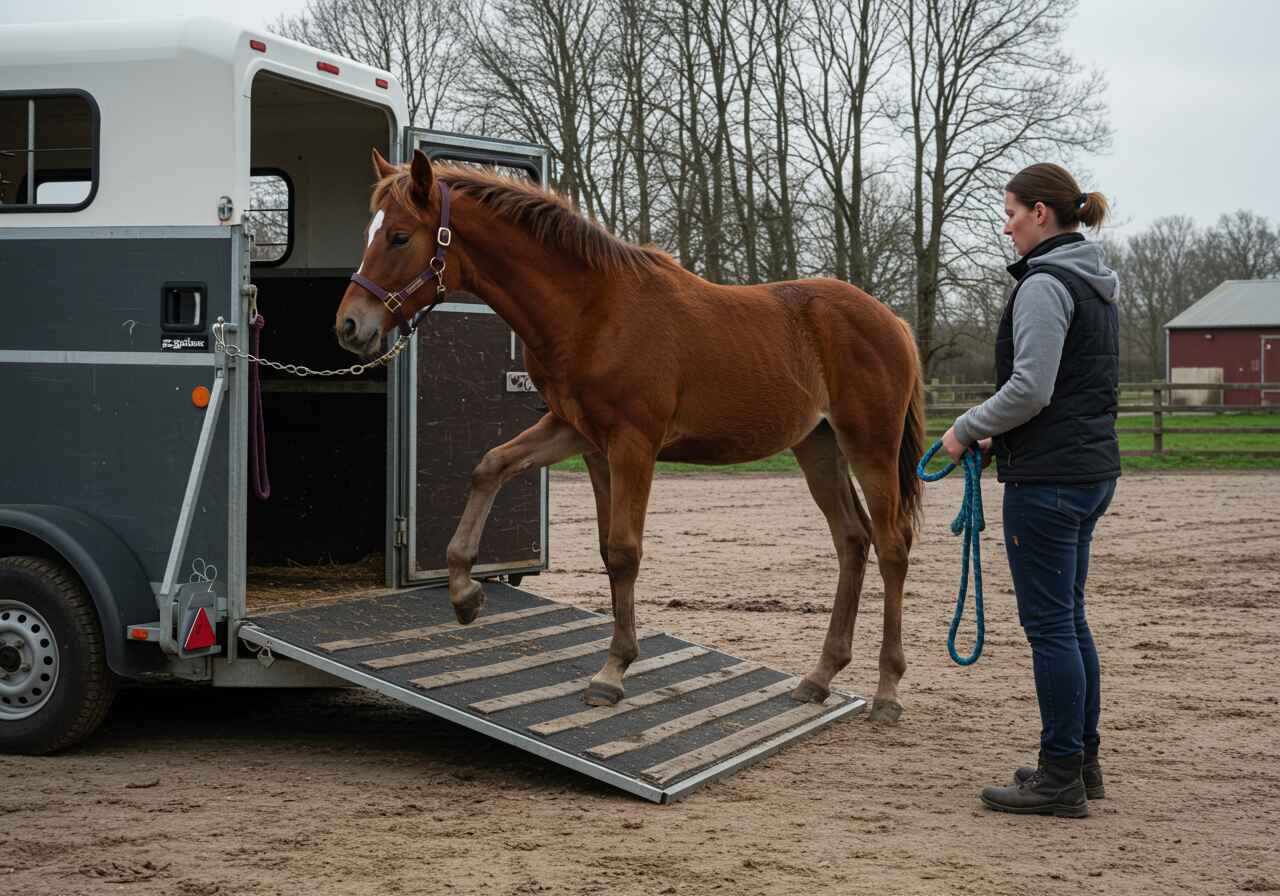
If your horse won’t load into a trailer, you’re not alone. Many horse owners face this problem. It can be stressful, frustrating, and even dangerous. But there’s good news. With patience, practice, and the right steps, you can teach your horse to load calmly and safely.
In this article, we’ll walk you through clear and simple steps to fix the problem. We’ll also explain why your horse might be refusing and how to build trust. Let’s start.
Understand Why Your Horse Refuses to Load
Horses have strong instincts. They are prey animals. A trailer looks dark and closed off. To your horse, it may feel like a trap. This fear can cause refusal.
Here are common reasons horses won’t load:
- Fear of the trailer
- Bad past experiences
- Lack of training
- Pain or discomfort
Before starting training, check for pain. Make sure your horse is not hurt. Talk to a vet if you suspect physical problems. Once you know your horse is healthy, move to training.
Step 1: Create a Calm Environment
Start in a quiet place. Avoid loud noises and distractions. Keep the trailer parked on solid, flat ground. Open the trailer doors fully. Let in natural light. This helps your horse feel less trapped.
Wear gloves and boots for safety. Use a lead rope and halter in good condition.
Stay calm. If you are nervous or angry, your horse will feel it. Speak in a soft voice. Use slow movements. Give your horse time to think and breathe.
Step 2: Get Your Horse Comfortable Around the Trailer
Do not force your horse into the trailer. Start by letting your horse explore the area around it. Let your horse sniff it, walk near it, and stay close to it without pressure.
You can walk your horse in small circles near the trailer. Then walk away. Then come back. This helps build confidence. Repeat this for a few sessions.
Reward calm behavior. Use scratches, soft words, or a treat. Make the trailer a comfortable place to be.
Step 3: Practice Forward Movement
Teach your horse to move forward when you ask. Use gentle pressure on the lead rope. When your horse steps forward, release the pressure. Praise right away.
Do not pull hard. Do not hit. Let your horse learn that stepping forward is the right answer.
Practice this away from the trailer first. Once your horse understands, move closer to the trailer and try again.
Step 4: Use the Trailer as a Target
Lead your horse toward the trailer. Let the horse stop and look. Do not rush. Ask for one step at a time.
Suppose your horse gets scared, back off, and try again. Use patience, not force. Let your horse stand with two feet inside the trailer, praise it, and then back out.
Then ask for more. Slowly build to all four feet inside. Always reward progress.
Step 5: Build Trust with Repetition
Loading takes time. Do not expect perfection in one day. Practice every few days. Stay calm. Stay consistent. Never punish your horse for being afraid.
Use the same trailer every time if you can. Use the same steps. Familiarity helps your horse stay relaxed.
Step 6: Teach Backing Out Calmly
Going in is one part. Coming out is another. Teach your horse to back out slowly. Hold the lead rope gently. Guide your horse one step at a time.
Practice backing out many times. Do not rush. Let your horse learn the rhythm. A horse that backs out calmly is safer and more confident.
Step 7: Reinforce Positivity Inside the Trailer
Let your horse stand in the trailer. Keep the door open. Stay nearby. Offer hay or a treat. Talk softly.
When your horse is calm, back out and end the session. The trailer becomes less scary when your horse views it as a calm environment.
Step 8: Practice Short Trips
When your horse loads easily and stands calmly, take a short drive. Go around the block. Then unload. Praise and relax.
Increase trip length slowly. Each time, follow the same steps. Soon, your horse will feel okay with both loading and traveling.
Step 9: Get Help If Needed
If your horse still refuses or gets aggressive, get help from a professional trainer. Sometimes a fresh set of eyes can solve a problem faster.
Make sure the trainer uses kind and patient methods. Avoid harsh or aggressive techniques. These make things worse and break trust.
Step 10: Keep Training Positive
Your horse remembers experiences. Make sure each trailer session ends on a good note. Even a small success is progress.
Do not wait until the day of a trip to train. Practice often. Keep sessions short and simple.
Common Mistakes to Avoid
- Pulling hard on the lead rope
- Yelling or hitting
- Rushing the horse
- Only practice when you need to travel
- Ignoring signs of pain or fear
Avoid these mistakes. They create fear and delay progress.
If you love your animals and want to understand them on a deeper level, Animal Wellness Academy is here to help. Our online animal courses are designed for pet parents like cat, dog, and horse owners—who want practical tips and training they can use every day.
From calming a stressed horse to solving behavior challenges with kindness, our programs give you proven, compassionate techniques that truly make a difference.
Join an online horse training course today and take the next step toward a stronger bond and a healthier, happier life with your horse.
FAQs:
Why is my horse afraid of the trailer?
Horses may fear trailers because they are dark, tight spaces. Some horses also had bad experiences in the past. They remember fear and pain easily.
How long does trailer training take?
Each horse is different. Some learn in a few days. Others may take weeks. Consistency and calm sessions lead to better results.
Should I use treats during training?
Yes, if your horse responds well to them. Treats can be helpful when used wisely. Avoid overfeeding or bribing.
What if my horse rears or bolts near the trailer?
Stop the session. Do not punish. Try to understand the cause. It may be fear or pain. You may need help from a trainer.
Can I use a whip or a stick to make my horse load?
It’s better to avoid force; fear-based methods damage trust. Use patience and repetition. If you’re stuck, seek expert help with gentle methods.
Final Words
Teaching a horse to load into a trailer takes time, patience, and trust. By breaking the process into small, positive steps. You can get your horse comfortable around the trailer, rewarding progress, and practicing calm backing. This way you’ll build confidence without fear. Remember, every horse learns at a different pace. What matters most is consistency and ending each session on a good note.