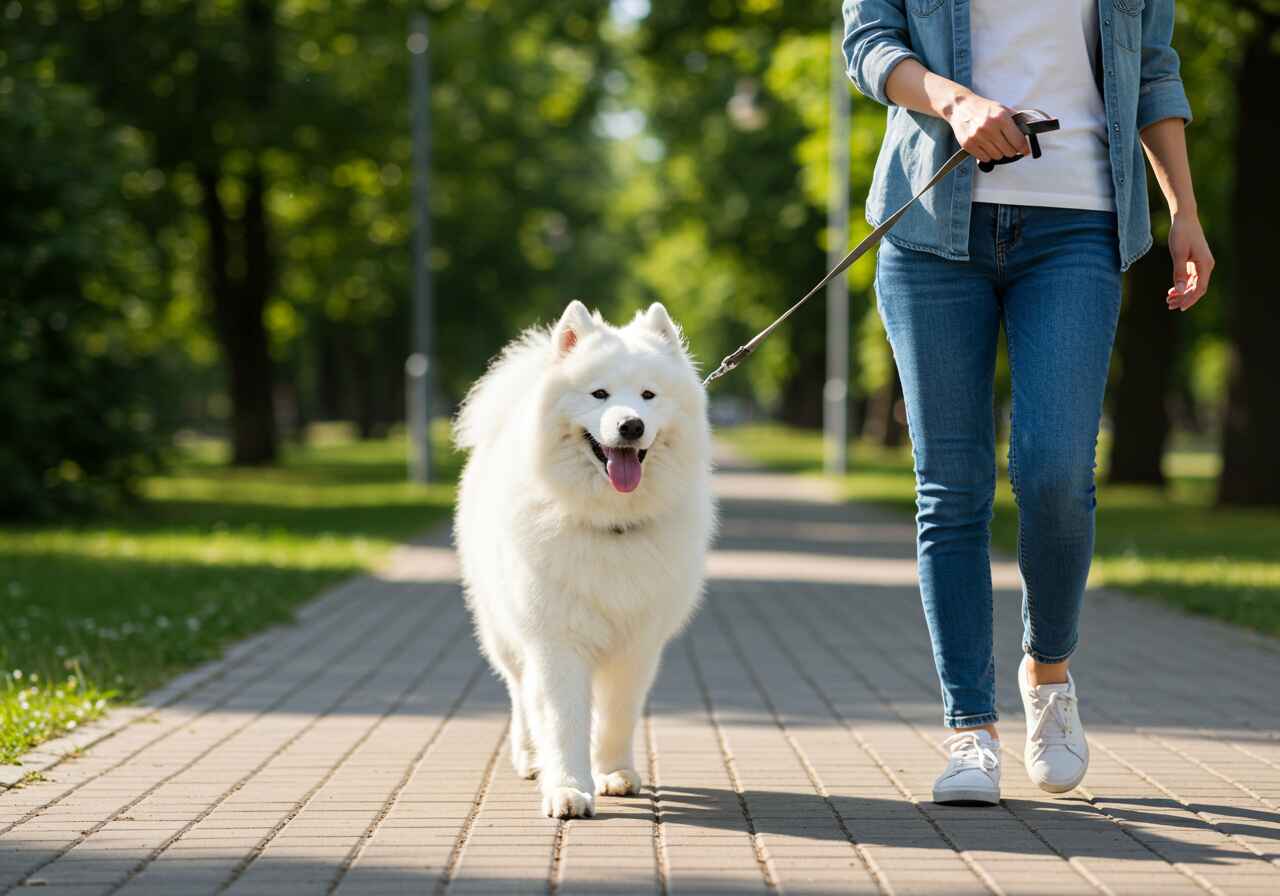
Walking your dog should be peaceful and fun. But when your dog pulls on the leash, the walk turns into a struggle. You feel frustrated. Your dog feels confused. Pulling is not just annoying; it can be dangerous for both of you. Good leash manners make walks safer, calmer, and more enjoyable.
This guide explains how to stop leash pulling using easy-to-follow, home-based training methods. You don’t need fancy tools. You don’t need to yell. You just need a plan, a little time, and a lot of consistency. Whether your dog is a puppy or older, these steps work if you stay patient.
Read | Spay/Neuter Surgery Recovery for Dogs
Why Dogs Pull on the Leash
Dogs don’t pull to be bad. They pull because they walk faster than we do. They are curious. They want to sniff, explore, and move forward. When we follow them, even a little, they learn that pulling works. That’s how the habit starts.
Some dogs also pull from excitement, fear, or frustration. If your dog is reacting to people, other dogs, or loud noises, pulling becomes a way to escape or chase. So, before training starts, observe your dog. Know what triggers the pulling. Then apply training that targets the behavior.
Step 1: Use the Right Equipment
The first step is to choose a leash and harness that gives you better control without hurting your dog. Avoid retractable leashes; they teach dogs that pulling gives them more space. Use a 4 to 6-foot leash instead.
For strong pullers, a no-pull harness is a wise choice. These harnesses have a front clip that gently turns your dog when they pull, reducing their ability to move forward fast. This doesn’t hurt the; it just redirects the energy.
Avoid choke chains or prong collars. These may stop pulling in the moment, but can cause fear and injury in the long term.
Step 2: Stop and Stand Still
One of the best ways to teach leash manners is to stop moving every time your dog pulls. Here’s how to do it:
- Walk your dog on a loose leash.
- The moment they pull, stop walking.
- Say nothing. Don’t yank the leash.
- Wait until your dog stops pulling or turns to look at you.
- When the leash becomes loose again, start walking.
Dogs quickly learn that pulling gets them nowhere. If they want to keep going, they need to walk beside you calmly.
This method takes patience. The first walk might take a long time. But it works. Every time you stop, you teach your dog: pulling = no progress.
Step 3: Use the “Let’s Go” Cue
Teaching a simple cue like “Let’s go” or “With me” helps your dog know when to follow you.
- Say the cue when you start walking.
- Use a happy voice.
- If your dog stays beside you, reward with praise or a treat.
Use the cue only when your dog is calm. Over time, your dog will connect the cue with walking nicely.
Step 4: Reward Good Behavior
Dogs learn best when they are rewarded for doing the right thing. Keep small treats in your pocket during walks. Every time your dog walks calmly beside you, give a treat.
You don’t need to do this forever. After some practice, your dog will learn that walking nicely is the way to go. Treats can fade out, and you can use praise or play as rewards instead.
Be quick. Give the treat right after the good behavior. This helps your dog understand what they did right.
Step 5: Change Direction Often
If your dog keeps pulling, changing direction can reset the walk.
Here’s what to do:
- Say “This way!” and gently turn in the opposite direction.
- Don’t drag your dog. Just guide them.
- When they catch up and walk with you, reward them.
Changing direction teaches your dog to pay attention to you, not just the path ahead.
Step 6: Keep Walks Short and Focused
At first, focus on training, not distance. Short, focused walks help your dog learn the skill.
- Start with 5–10-minute walks.
- Stay in a quiet area without distractions.
- Practice daily.
Once your dog walks without pulling, you can add time and visit more exciting places. But in the beginning, calm areas work best.
Step 7: Be Consistent
Training only works when everyone follows the same rules. If one family member allows pulling, the dog stays confused.
- Set rules and share them with all walkers.
- Use the same commands, same treats, and same stops.
- Don’t switch techniques mid-walk.
Dogs learn through repetition. The more consistent you are, the faster your dog understands.
Step 8: Avoid Pulling Back
When your dog pulls, don’t pull back. This creates a tug-of-war and makes the pulling worse.
Instead:
- Stop walking.
- Hold the leash firmly but gently.
- Wait for your dog to calm down.
Keep your body relaxed. A calm handler helps create a quiet dog.
Step 9: Practice in Different Places
Once your dog is doing well at home or in quiet areas, practice walking in new places.
- Try your local park early in the morning.
- Walk around the block at quiet times.
- Visit a pet-friendly store for short sessions.
This helps your dog apply leash manners in real life. Be patient, distractions will make pulling come back, but you can correct it with the same steps.
FAQs:
Why does my dog keep pulling even after walks?
Dogs often pull because they’re excited, not tired. Pulling becomes a habit. Training, not just exercise, is what fixes it.
Are specific dog breeds harder to train for leash walking?
Some breeds have more energy or stronger prey drive, which can make leash training harder. But with consistent steps, any breed can learn.
How long does it take to stop leash pulling?
It depends on the dog’s age, past habits, and your consistency. Most dogs show progress in 2 to 4 weeks with daily practice.
Should I use a choke or prong collar to stop pulling?
No. These tools may stop pulling for a short time, but can cause pain, fear, or injury. Use positive methods like a no-pull harness and calm training.
What if my dog pulls to reach other dogs or people?
Your dog may be overexcited or anxious. Practice walking in low-distraction areas. Use treats to reward focus. Slowly introduce new places once your dog learns control.
Final Thoughts
A dog that pulls on the leash can make walks stressful. But this behavior is not permanent. You can fix it with time, clear rules, and simple tools. Start by using the right gear. Then stop every time your dog pulls. Add rewards, cues, and short practice walks.
Training won’t happen overnight. But with consistency, your dog will learn that walking beside you is easier and more fun than pulling ahead.
The result? Walks that feel calm, safe, and enjoyable for both of you.
Want to Build a Better Bond With Your Dog?
Animal Wellness Academy offers trusted, easy-to-follow courses for dog owners. Learn how to fix leash pulling, reduce stress, and enjoy walks again, all from the comfort of home. Start your journey at Animal Wellness Academy and train smarter today.