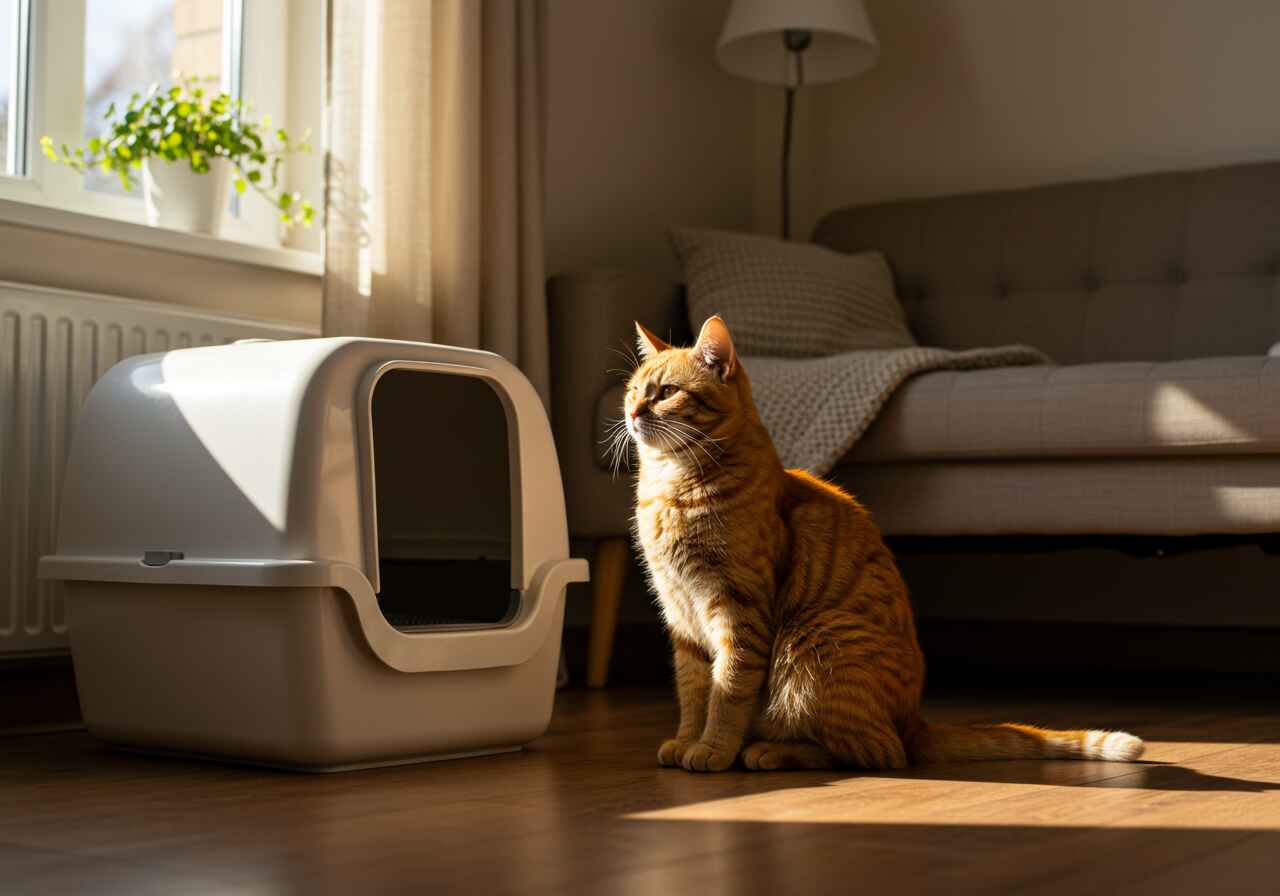
Bringing home a new cat or kitten is exciting. But as many pet owners quickly learn, that excitement can fade when little “accidents” start showing up on the carpet. Don’t worry—it’s completely normal. Cats are naturally clean animals, and with a bit of patience, you can guide them toward perfect potty habits.
Whether you’re exploring cat potty training at home, looking for tips on how to litter train a kitten fast, or wondering when it’s too late to litter train a cat, this complete guide walks you through every step. By the end, you’ll know how to create good habits that last—and how to make the process stress-free for both of you.
Why Potty Training Matters
Potty training isn’t just about avoiding messes. It’s about helping your cat feel comfortable, confident, and secure in their environment. A properly trained cat knows exactly where to go, which keeps your home clean and your pet stress-free. It also builds trust between you and your cat, making your bond even stronger.
Choosing the Perfect Spot
Cats are private creatures. They need a quiet, calm space for their litter box—somewhere they won’t be startled or interrupted. Avoid placing it in high-traffic areas like kitchens, laundry rooms, or hallways. A corner in a low-activity room usually works best. Once you find that perfect spot, keep it consistent. Moving the litter box around can confuse your cat and undo progress.
If you live in an apartment, try placing the box in a discreet corner near your cat’s resting area. Just remember: never put it too close to food or water. Cats are clean by nature and prefer to keep their eating and bathroom spaces separate.
Pro tip: If you have more than one cat, provide one box per cat plus an extra. This prevents territorial squabbles and ensures everyone has their own space.
How to Litter Train a Kitten Fast
Kittens are fast learners, especially when they’re introduced to a routine early. To litter train a kitten fast, follow these simple steps:
- Introduce the litter box right away. Place your kitten in it after meals, naps, and playtime.
- Show them what to do. Gently scratch the litter with your fingers to demonstrate.
- Reward good behavior immediately. A small treat or gentle praise helps your kitten connect the dots.
- Keep the box spotless. Kittens are picky—if it’s dirty, they’ll find another spot.
With consistency, most kittens learn within a week or two. The success rate of toilet training cats and kittens is quite high when owners stick to a routine and use positive reinforcement.
Using Cat Potty Training Sprays
Sometimes, a little extra help goes a long way. Cat potty training sprays are designed to attract your cat to the right spot using natural pheromones that mimic familiar scent markers. Spray a small amount in the litter box or designated area, and let your cat explore. Do this daily until your cat forms the habit.
Avoid heavily perfumed sprays—they can overwhelm your cat’s sensitive nose. Instead, go for natural, enzyme-based options.
How to Potty Train a Kitten Without a Litter Box
If you’re interested in toilet training instead of using a litter box, you can teach your cat to use the toilet gradually. This is especially useful for people who want a cleaner, litter-free home. Here’s how to potty train a kitten without a litter box:
- Start with a regular litter box beside the toilet.
- Raise it gradually, a few inches every few days, until it’s at toilet height.
- Replace the box with a special toilet training insert that fits over your toilet.
- Gradually reduce the litter in the insert until your cat feels comfortable balancing and going directly into the toilet.
Be patient—every cat learns differently. Some adapt in two weeks; others need a month or more. Generally, the success rate of toilet training cats hovers around 70–80% when done consistently.
Keep in mind: not every cat will love toilet training. Some prefer the security of a traditional litter box, and that’s perfectly okay.
Building a Routine That Sticks
Routine is everything when it comes to cat potty training at home. Feed your cat at the same times each day, so their potty schedule becomes predictable. After meals or naps, gently guide them toward the litter box. You can even use a cue word like “Litter time” to help them associate the action with a phrase.
When they use the litter box correctly, reward them with a treat or soft praise. Keep your tone calm—cats respond best to gentle encouragement.
If accidents happen, and they probably will at some point, don’t panic. Clean the area thoroughly with an enzymatic cleaner that eliminates odors completely. Regular cleaners can leave behind scents that your cat can still detect, encouraging repeat accidents.
Handling Accidents the Right Way
Accidents are part of the learning process, especially for young kittens or stressed adult cats. The key is to stay calm. Scolding or rubbing your cat’s nose in the mess only causes fear and confusion. Instead, clean the area quickly, use a neutral tone, and encourage better behavior next time.
If your cat suddenly starts avoiding the litter box, it could be a medical issue like a urinary tract infection or anxiety. A quick check-up with your vet can rule out any health concerns.
Helpful Tools and Resources
Training is easier when you have the right tools. Here are a few essentials that make cat potty training simpler:
- Cat potty training sprays: Encourage proper use of the litter box.
- Litter mats: Keep the area clean and catch stray litter.
- Automatic litter boxes: Perfect for busy owners.
- Cat potty training PDF guides: Printable step-by-step visual aids.
You can find downloadable resources like a free cat potty training PDF on many pet education sites, including the Animal Wellness Academy. Another great read is Cat Litter Box Mistakes to Avoid.
When Is It Too Late to Litter Train a Cat?
Here’s the good news—it’s never too late. Whether your cat is a few months or several years old, you can still teach them proper bathroom habits. Adult or rescue cats may need extra patience and reassurance, but they can absolutely learn.
Stick with one type of litter, keep the box in a consistent spot, and reward every success. Avoid strong fragrances that might turn your cat away. Over time, even older cats can become perfectly reliable with their potty habits.
Common Potty Training Problems and How to Fix Them
Every cat is different, so you might hit a few bumps along the way. Here are the most common issues and how to solve them:
- Refusing the litter box: It’s probably too dirty or in a noisy area. Clean it daily and relocate it somewhere quieter.
- Peeing on furniture: This can be stress-related or a marking behavior. Try calming diffusers and add an extra litter box.
- Digging but not going: Your cat might dislike the litter’s texture. Switch to a fine-grain, unscented option.
- Avoiding a new box: Gradually transition instead of moving it suddenly.
If nothing seems to work, search for cat potty training near me to find a local behaviorist or cat trainer who can help. For additional insights, read Why Your Cat Pees Outside the Litter Box (and How to Fix It).
Measuring Your Cat’s Progress
So, what’s a good benchmark? The success rate of toilet training cats and litter training in general is high—around 75–80% when owners stay consistent. Most cats just need time to form a habit. It’s not about perfection; it’s about progress.
Keeping a simple potty log can help you track patterns. Note when your cat eats, drinks, and uses the box. You’ll quickly see their natural rhythm, making it easier to anticipate bathroom breaks.
Expert Tips for Potty Training Cats at Home
Here are a few extra pointers to make the journey smoother:
- Use the same type of litter throughout training.
- Scoop daily to keep it fresh.
- Avoid scented litters—they might mask odor but can repel cats.
- Never punish accidents. Reward success instead.
- Be patient—habits take time.
If you’re looking for advanced insights, check out How to Stop Cat Spraying Indoors or Top 10 Cat Behavior Myths Debunked. Both pair perfectly with this guide.
Resources Worth Bookmarking
If you prefer learning visually, look for videos and downloadable materials that explain each stage. Many pet care sites offer printable cat potty training PDFs or step-by-step illustrations. You can also explore structured lessons and professional guidance through the Animal Wellness Academy Online Cat Courses.
Final Thoughts
Potty training your cat might feel challenging at first, but with consistency, patience, and positive reinforcement, it quickly becomes second nature. Stay calm, keep routines predictable, and reward small wins along the way.
Every cat learns differently, so don’t rush the process. Some pick it up in a few days; others take a few weeks. What matters most is that you’re patient, kind, and encouraging. With a steady approach, you’ll soon have a confident cat who knows exactly where to go every time.
For more in-depth guides, expert tips, and cat care courses, visit the Animal Wellness Academy Online Cat Courses. Their team of certified trainers and behaviorists offers science-backed insights that make life easier for both you and your cat.
Because let’s be honest—a happy, well-trained cat makes for a much happier home.