
If your cat has been scratching their ears more than usual, shaking their head, or acting a little off, there’s a good chance something’s bothering their ears.
Ear infections are one of the most common health issues in cats, and while they’re usually treatable, they can become painful — even dangerous — if ignored.
The good news is, if you understand the signs and know what to do, most ear infections can be treated quickly and effectively.
In this complete guide, we’ll walk you through everything you need to know about cat ear infections — from what causes them and how to spot the signs, to treatment options and how to prevent them from coming back.
What Is a Cat Ear Infection?
A cat ear infection happens when bacteria, yeast, mites, or other irritants cause inflammation inside your cat’s ear canal. While dogs tend to get ear infections more often, cats are by no means immune. And when they do occur, they can be painful and frustrating for both the cat and the owner.
Cats can experience ear infections in different parts of the ear:
- Otitis externa: This is the most common type, affecting the outer ear canal.
- Otitis media: Affects the middle ear, often as a complication of an untreated external infection.
- Otitis interna: Affects the inner ear and can impact balance and hearing.
Catching infections early is key because what starts as a minor irritation in the outer ear can quickly spread deeper, leading to more serious issues if left untreated.
Common Causes of Cat Ear Infections
Understanding why ear infections happen is the first step in preventing them. Here are the most common culprits:
1. Ear Mites
Tiny parasites known as Otodectes cynotis are among the leading causes of ear infections, especially in kittens and outdoor cats. They feed on wax and oils in the ear canal, causing intense itching and inflammation. Ear mites spread easily between cats (and sometimes to dogs), so if one pet is affected, it’s best to treat them all.
2. Bacterial or Yeast Overgrowth
Bacteria and yeast naturally live in your cat’s ears, but when their balance is disrupted — often by allergies, moisture, or excess wax — they can multiply rapidly, leading to infection. These infections can be secondary to another issue, like mites or allergies, or occur on their own.
3. Allergies
Just like people, cats can develop allergies to food, pollen, dust, or chemicals. Allergic reactions often cause itchy, inflamed skin — including inside the ears. Constant scratching and irritation make infections more likely.
4. Foreign Objects and Debris
Grass seeds, dirt, or other small objects can sometimes find their way into your cat’s ears. These foreign bodies cause irritation, scratching, and inflammation, creating an environment where bacteria or yeast thrive.
5. Underlying Health Conditions
Chronic conditions such as diabetes, immune system disorders, or tumors can make cats more prone to recurring ear infections. Polyps (benign growths) in the ear canal can also block airflow and trap moisture, encouraging infection.
Signs and Symptoms of an Ear Infection in Cats
Cats are notoriously good at hiding discomfort, so it’s important to watch for subtle signs. The earlier you catch an ear infection, the easier it is to treat. Here are the most common symptoms:
- Frequent scratching at one or both ears
- Head shaking or tilting
- Redness and swelling inside the ear
- Dark, waxy discharge (often resembling coffee grounds, especially with mites)
- Foul odor coming from the ear
- Scabs or hair loss around the ears
- Loss of balance or disorientation (in severe cases)
- Sensitivity or pain when the ears are touched
If your cat is showing any of these signs, it’s time to schedule a vet visit. Untreated ear infections can lead to chronic pain, hearing loss, or even neurological issues if they spread.
Diagnosing Cat Ear Infections
Because the symptoms of ear infections can overlap with other issues (like ear mites, allergies, or even injuries), proper diagnosis is crucial. Your veterinarian will likely:
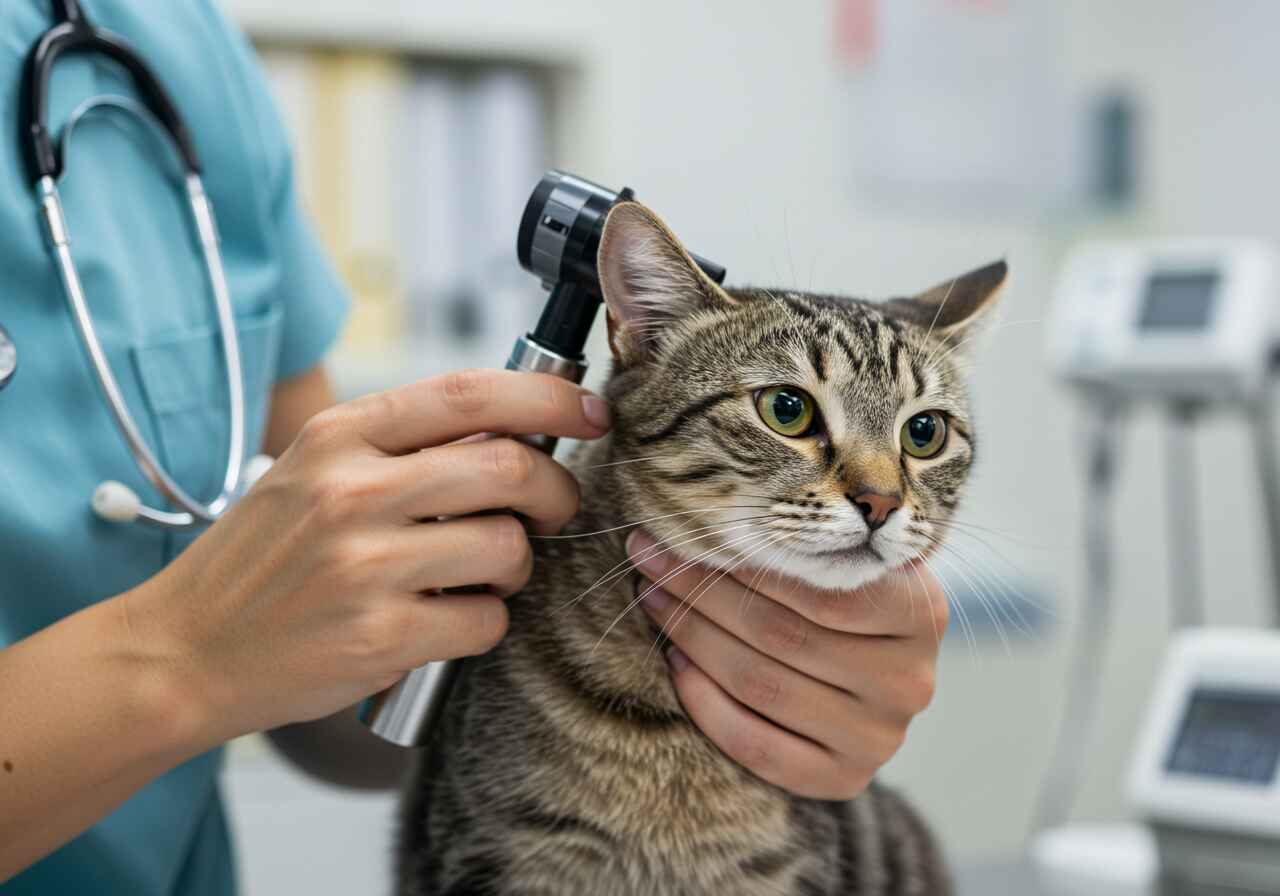
- Inspect the ear canal: Using an otoscope, they’ll look inside for redness, swelling, discharge, or foreign objects.
- Take a sample: A small swab of ear debris can be examined under a microscope to check for bacteria, yeast, or mites.
- Run additional tests: If the infection is severe or recurring, your vet may perform a culture to identify the specific bacteria or fungi involved.
It’s best not to attempt home treatment without a diagnosis. Using the wrong remedy can worsen the infection or mask symptoms, making it harder to treat later.
Treatment Options for Cat Ear Infections
The right treatment depends on what’s causing the infection. Your vet will tailor the plan based on the underlying issue, but here’s what most treatments involve:
1. Cleaning the Ears
The first step is usually a thorough cleaning to remove wax, debris, and discharge. Your vet may do this in the clinic, but they might also send you home with a pet-safe ear cleaner and instructions. Never use cotton swabs deep inside your cat’s ear canal — they can push debris further in or damage the ear.
2. Medication
Depending on the diagnosis, treatment may include:
- Antibiotic drops for bacterial infections
- Antifungal drops for yeast infections
- Anti-parasitic medication for ear mites
- Steroid drops to reduce inflammation and itching
Most ear infections resolve within two to three weeks with proper treatment, but it’s important to complete the full course of medication even if symptoms improve earlier.
3. Treating Underlying Causes
If allergies, polyps, or another chronic condition caused the infection, those will need to be addressed too. This might involve dietary changes, allergy management, or surgery to remove growths.
Home Care Tips During Recovery
Helping your cat recover comfortably is just as important as the medical treatment itself. Here are a few ways to make the healing process smoother:
- Follow medication instructions exactly. Skipping doses or stopping treatment early can lead to recurrence.
- Clean gently. If your vet recommends home cleaning, use a vet-approved solution and follow their directions carefully.
- Monitor symptoms. If your cat’s condition doesn’t improve within a week, or if it worsens, contact your vet.
- Prevent scratching. Use an e-collar if necessary to stop your cat from injuring their ears further.
How to Prevent Cat Ear Infections
While not all ear infections are preventable, regular care goes a long way toward reducing the risk. Here’s how to keep your cat’s ears healthy:
1. Check Ears Regularly
Once a week, gently look inside your cat’s ears. They should be pale pink, clean, and free from odor. Any redness, debris, or discharge is a sign to call your vet.
2. Clean Ears Safely
If your cat’s ears tend to get waxy or dirty, ask your vet about safe cleaning solutions. Never use alcohol, hydrogen peroxide, or cotton swabs deep inside the ear canal.
3. Control Parasites
Keep up with regular flea and mite prevention treatments, especially if your cat goes outdoors or lives with other pets.
4. Manage Allergies
If your cat has food or environmental allergies, work with your vet to find the triggers and manage them. Reducing allergic reactions will also reduce the risk of ear inflammation.
5. Keep Ears Dry
After baths or rain exposure, gently dry your cat’s ears. Moisture creates an ideal environment for bacteria and yeast.
Complications of Untreated Ear Infections
Ignoring an ear infection can have serious consequences. What starts as a minor irritation can spread deeper into the ear, causing:
- Chronic infections that are harder to treat
- Ruptured eardrum, which can lead to hearing loss
- Balance problems and disorientation
- Permanent hearing damage
- Spread of infection to nearby tissues or even the brain (in rare cases)
The sooner you address an ear infection, the less likely it is to lead to these complications.
FAQs:
How can I tell if my cat has ear mites or an ear infection? Ear mites usually cause intense itching and a dark, crumbly discharge that looks like coffee grounds. Bacterial or yeast infections often come with a foul odor, redness, and thicker discharge. A vet exam is the only way to know for sure.
Can I use human ear drops on my cat? No. Human ear medications are not formulated for cats and can cause irritation or toxicity. Always use products prescribed by your vet.
Are ear infections contagious between cats? The infections themselves usually aren’t, but ear mites — a common cause — are highly contagious. If one cat in your household has mites, all pets should be treated.
Do indoor cats get ear infections? Yes. While outdoor cats are more exposed to mites and debris, indoor cats can still develop ear infections due to allergies, yeast, or underlying health conditions.
How often should I clean my cat’s ears? Most cats don’t need frequent ear cleaning. Check their ears weekly, and clean only if your vet recommends it or if you notice buildup.
Final Thoughts: Healthy Ears, Happy Cat
Ear infections might be common in cats, but they’re also highly treatable — especially when caught early. Learning the signs, seeking prompt veterinary care, and maintaining regular ear hygiene can make a world of difference for your cat’s comfort and health. And remember, prevention is always easier than treatment. A quick ear check once a week and regular parasite prevention can save your cat from unnecessary pain and you from repeated vet visits.
If you suspect your cat might have an ear infection, don’t wait it out. Schedule a check-up with your vet and start treatment right away. You can also check this online cate course for right care. With the right care, your feline friend will be back to their curious, playful self in no time.