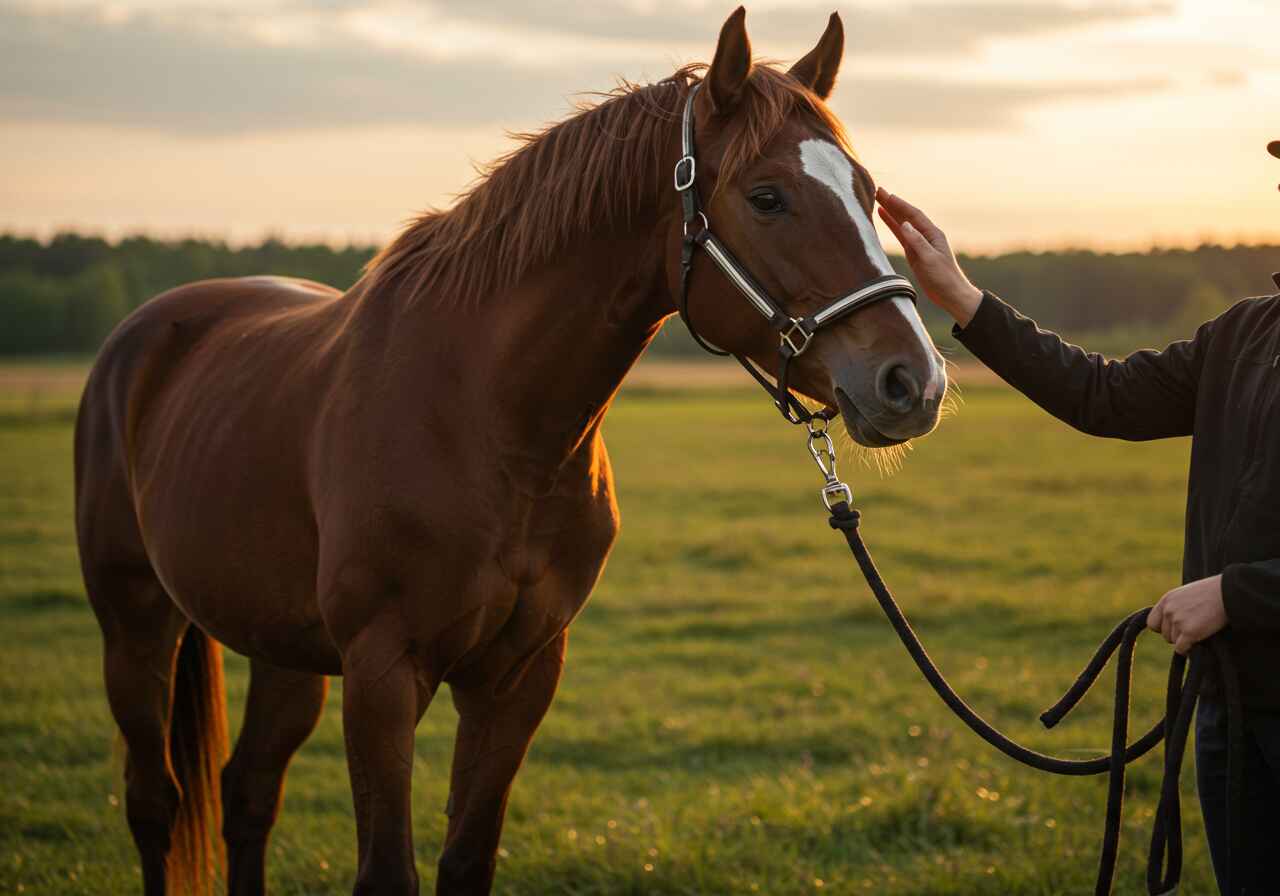
Horses feel emotions just like people. They get nervous, scared, and restless. If a horse is anxious, it can be hard to train, ride, or handle. It may pace, spook, or refuse to cooperate. But there are safe, natural ways to help your horse feel calm again. You don’t need harsh tools or heavy chemicals. With the right care, your horse can learn to relax and feel safe.
Below are simple, proven methods to ease your horse’s anxiety naturally.
Understand the Cause First
Before calming your horse, find out why it’s anxious. Look at its body language. Ears pinned back, wide eyes, head tossing, or heavy breathing can be signs of stress. Listen to what your horse is trying to say.
Common causes of anxiety in horses include:
- New environments
- Loud sounds
- Loneliness
- Past trauma
- Poor handling
- Unfamiliar objects
By knowing the cause, you can pick the right solution. Guessing or forcing the horse may make the anxiety worse.
Keep a Calm Environment
Horses are sensitive to their surroundings. If the barn or pasture is noisy or cluttered, your horse may not feel safe. Keep the environment clean, quiet, and free from sharp movements or loud voices.
Simple steps help:
- Keep a regular feeding and turnout schedule
- Reduce loud music or yelling
- Avoid sudden changes in routine
- Let the horse graze or walk in open space
Peaceful spaces help horses relax. It allows them to trust their handler more easily.
Use Groundwork to Build Trust
Groundwork exercises help the horse feel secure around you. Lead your horse in circles, back up gently, or move side to side. This teaches your horse to focus on you and follow your cues.
Keep your body language calm and steady. Breathe slowly and speak softly. A nervous horse reads your emotions. If you’re tense, your horse will be too.
Do groundwork often, even if only for ten minutes a day. It builds trust and teaches your horse to stay calm under pressure.
Try Natural Calming Herbs
Certain herbs can help settle an anxious horse. These herbs support the nervous system and help the horse relax without side effects. Always speak with a vet before using herbs, especially if your horse is on medication.
Common calming herbs for horses include:
- Chamomile
- Valerian root
- Passionflower
- Ashwagandha
- Lemon balm
You can find these in powder, liquid, or pellet form. Add them to feed or water, or use them as a temporary supplement during stressful events like travel or shows.
Practice Touch and Massage
Touch can lower stress in horses. Light massage on the neck, shoulders, and back can help the horse feel safe. Use slow, gentle strokes with your hand or a soft rubber curry comb.
Focus on:
- The poll (top of the head)
- Withers (shoulder area)
- Along the spine
Do not apply deep pressure. Keep your hand soft and consistent. Some horses may flinch at first, but with patience, they usually relax.
Touch shows your horse that you’re a safe presence. It’s also a bonding experience that builds trust over time.
Let Your Horse Have a Friend
Horses are herd animals. They often feel better with a buddy. If your horse is alone for long hours, it may feel nervous or scared.
Whenever possible:
- Let your horse see or touch other horses
- Use a calm buddy horse during stressful moments
- Avoid total isolation unless medically necessary
If another horse is not available, even a goat or donkey can provide comfort. The goal is to reduce loneliness, which is a major source of anxiety for many horses.
Give Time to Adjust
Every horse is different. Some calm down quickly, while others need time. Don’t rush the process. Forcing a scared horse only makes things worse.
Be patient and consistent. Small steps lead to big progress. Repeat calming routines daily. Over time, the horse learns what to expect and feels more at ease.
Celebrate small wins. If your horse stands still, stops pacing, or begins to eat again, it’s progress.
Keep Your Body Calm
Horses watch your movements. If you’re tense or rushed, your horse may become nervous too. Learn to stay grounded around anxious horses.
Stand tall but relaxed. Keep your hands low and soft. Move with purpose but without tension. Speak in a calm tone and avoid sudden gestures.
If you’re calm, your horse will trust you. This simple change often leads to big improvements.
Use Soothing Sounds
Some horses respond well to soft music or nature sounds. Play calming tunes in the barn or during grooming sessions. Choose slow, steady rhythms or soft classical pieces.
Make sure the volume is low. Loud music may have the opposite effect.
You can also try:
- Wind chimes
- Water fountains
- Rain sounds
These create a soothing background and mask harsh noises that may upset the horse.
Avoid Harsh Gear and Rough Handling
Anxious horses need gentle care. Avoid tight bits, harsh whips, or loud scolding. These tools may make the horse fear humans and worsen anxiety.
Instead, use soft ropes, padded halters, and loose reins. Speak softly. Reward good behavior with a calm voice, a pat, or a treat.
Horses remember how you treat them. If they feel safe with you, their anxiety often fades away with time.
Ready to Learn More?
If you want to understand horses better and help them thrive naturally, the Animal Wellness Academy offers helpful courses. They provide trusted guidance for horse lovers who want to improve care with kind, science-based methods.
Explore their programs today and take the next step in your journey as a mindful horse handler. Let’s build a safer, calmer world for animals together.
What are the signs of anxiety in horses?
Signs include wide eyes, pinned ears, head tossing, sweating, pacing, or refusing to follow cues. Some horses may stop eating or become hard to catch.
How long does it take to calm an anxious horse?
It depends on the horse and the cause. Some horses relax in minutes. Others need days or weeks. Daily calm routines and patience help speed up the process.
Can I use calming supplements every day?
Some natural herbs are safe for daily use, but always ask a vet first. Long-term use without guidance may affect your horse’s health or mask deeper issues.
Are there any risks with using herbs?
Yes, if given without proper care. Some herbs interact with medicines or may not suit every horse. Always start with a small dose and speak to a vet first.
What is the fastest way to calm a horse before a stressful event?
Stay calm yourself. Use gentle groundwork, soft words, and touch. Offer a natural calming herb, provided a vet has cleared it. Let the horse be near a trusted buddy if possible.
Final Thoughts
Helping an anxious horse takes patience and care. Focus on simple, natural steps. Build trust, create a peaceful space, and support the horse’s mental and emotional needs. Avoid pushing too hard or expecting instant results.
A calm horse is not just easier to handle, it’s also happier and healthier. Your efforts will build a stronger bond that lasts a lifetime.