Have you ever wondered if your house feels too warm or too cold for your dog? Just like people, dogs have their comfort zones — and the right indoor temperature can make a big difference in their health and happiness. Too much heat can cause dehydration or panting, while too much cold can lead to stiff joints or shivering.
In this guide, we’ll explore what the ideal indoor temperature for dogs really is, how it changes with the seasons, and how to adjust for your dog’s age, size, and breed.
Why Indoor Temperature Matters for Dogs
Dogs can’t tell you when they’re uncomfortable, so it’s up to you to notice the signs. Maintaining the right indoor temperature keeps your pet’s body temperature stable and prevents stress on their heart, skin, and joints.
Extreme heat or cold can affect dogs in several ways:
- Overheating can lead to heat exhaustion or heat stroke, especially in flat-faced breeds like Bulldogs or Pugs.
- Cold temperatures can cause muscle stiffness, discomfort, and hypothermia in small or short-haired dogs.
- Humidity affects comfort, too — a warm, humid home can make breathing difficult, while dry air can irritate skin and noses.
A balanced, consistent temperature helps dogs rest better, breathe easier, and stay healthy all year long.
The Ideal Temperature Range for Most Dogs
For most healthy, adult dogs, the ideal indoor temperature range is between 68°F and 72°F (20°C to 22°C).
That’s roughly the same as what feels comfortable for people. However, dogs don’t all experience temperature the same way. Factors like coat type, body size, and age make a big difference.
Let’s break it down.
Dogs That Prefer Warmer Temperatures
These dogs are more likely to get cold easily:
- Small breeds (Chihuahuas, Yorkshire Terriers, Maltese)
- Short-haired or hairless breeds (Greyhounds, Whippets, Chinese Cresteds)
- Senior dogs or puppies
- Dogs with arthritis or low body fat
Best indoor range: 72°F to 75°F (22°C to 24°C)
Keep these dogs away from cold drafts or tile floors in winter. Provide soft bedding, warm blankets, or even heated mats designed for pets.
Dogs That Prefer Cooler Temperatures
These dogs handle cold better but struggle in heat:
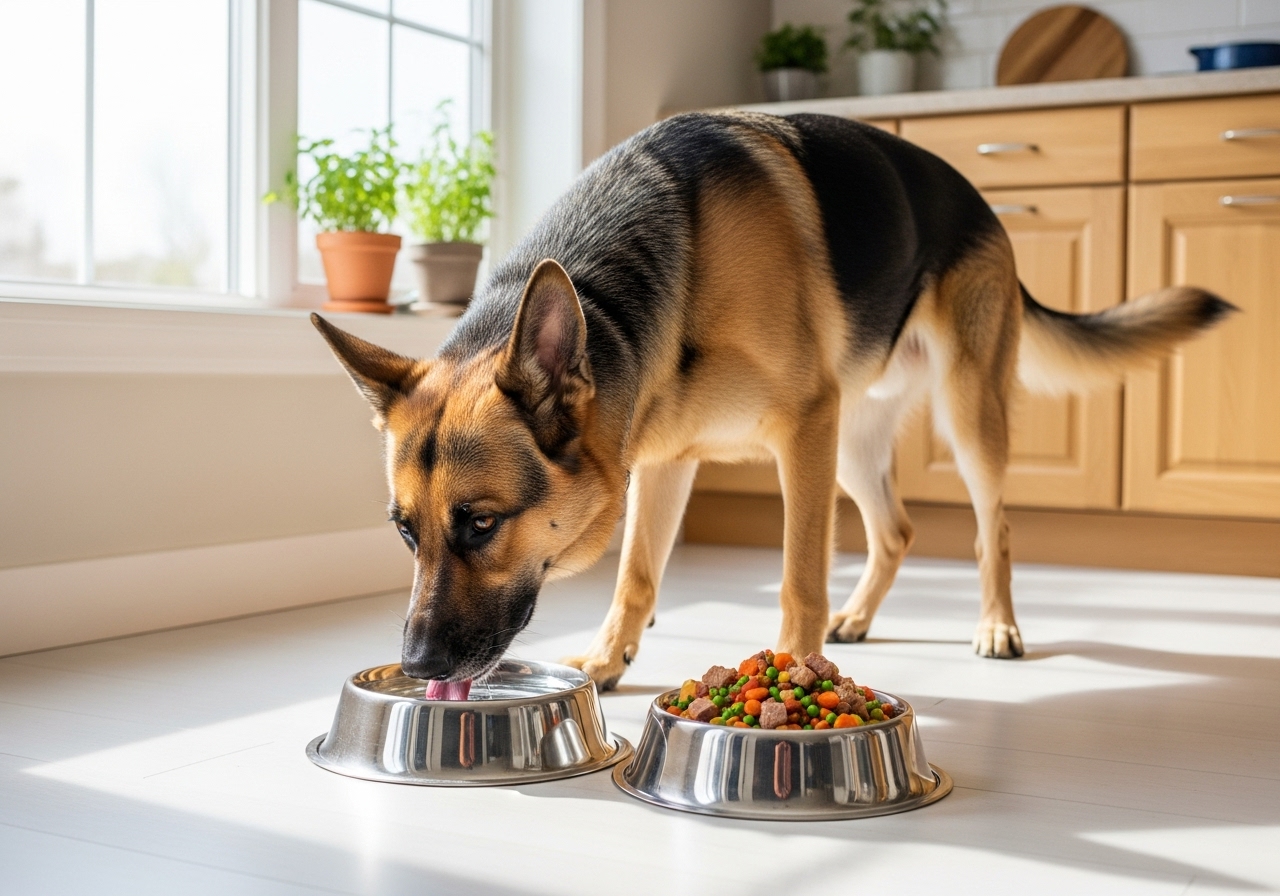
- Large breeds (Labradors, Golden Retrievers, German Shepherds)
- Thick-coated or double-coated breeds (Huskies, Malamutes, Bernese Mountain Dogs)
- Flat-faced breeds (Pugs, Bulldogs) — they overheat easily due to breathing structure
Best indoor range: 65°F to 70°F (18°C to 21°C)
Avoid high heat and humidity. Make sure they always have shade, ventilation, and access to fresh water.
Adjusting the Temperature by Season
Indoor temperature isn’t static — what feels cozy in winter might feel stuffy in summer. Dogs also shed, grow thicker coats, and change energy levels as the seasons shift.
In Winter
- Keep the house between 68°F and 72°F (20°C–22°C) for most breeds.
- If your home feels cold to you, it’s likely cold for your dog too.
- Use soft bedding or raised dog beds to keep them off cold floors.
- Avoid space heaters — they can dry out the air or cause burns if dogs get too close.
Extra tips for small or short-haired dogs:
- Use sweaters or jackets indoors if the air is chilly.
- Let them sleep in a warm, draft-free area.
In Summer
- Keep the temperature between 65°F and 75°F (18°C–24°C) depending on your dog’s tolerance.
- Turn on fans or air conditioning when it gets hot.
- Ensure proper ventilation — stagnant air can cause overheating.
- Always leave plenty of cool, clean water out.
Extra tips for heat-sensitive breeds:
- Keep them on tile or hardwood floors for natural cooling.
- Avoid high humidity by using a dehumidifier if needed.
How Age and Health Affect Comfort
Dogs at different life stages have different needs.
Puppies:
Their small bodies can’t regulate heat as well. Keep them warm with soft bedding and avoid letting them sleep near drafts or air vents.
Senior Dogs:
Older dogs often have arthritis or joint stiffness, which worsens in cold weather. Keep their sleeping areas cozy, and consider orthopedic beds for extra support.
Sick or Underweight Dogs:
Dogs recovering from illness or surgery may need extra warmth. Always follow your vet’s advice — some may even recommend mild heating pads for short periods.
Signs Your Dog Is Too Cold
It’s easy to tell when your dog is chilly. Watch for:
- Shivering or trembling
- Curling tightly into a ball
- Whining or seeking out warm spots
- Cold ears or paws
- Reluctance to move or go outside
What to do:
- Provide blankets or a soft bed in a draft-free corner.
- Raise their bed slightly off cold floors.
- Dress small or thin-coated dogs in cozy sweaters.
If your dog seems cold even when the house is warm, check with your vet — it could signal a health issue like thyroid imbalance or anemia.
Signs Your Dog Is Too Hot
Just as cold can be a problem, overheating can happen indoors, especially in summer.
Common signs include:
- Heavy panting
- Drooling or red gums
- Lethargy or restlessness
- Warm nose and paws
- Stretching out on cool surfaces
What to do:
- Move your dog to a cooler area immediately.
- Offer fresh water and a fan.
- Never leave your dog in a closed room without ventilation.
Flat-faced breeds (like Bulldogs or Pugs) are especially vulnerable to heat stroke, even at moderate temperatures.
The Role of Humidity
Temperature isn’t everything — humidity plays a big role in comfort. Ideal indoor humidity for dogs is between 30% and 60%.
High humidity makes it hard for dogs to cool down because they release heat through panting. On the other hand, low humidity can dry out their skin and nose.
Tips for balance:
- Use a humidifier in winter to prevent dryness.
- Use a dehumidifier in summer to reduce stickiness.
- Keep an eye on indoor air quality — fresh air helps dogs breathe better.
How to Keep Your Dog Comfortable Indoors
Maintaining comfort isn’t just about the thermostat. Simple lifestyle changes make a big difference.
Easy ways to keep your dog cozy:
- Adjust their bedding by season (fluffy in winter, breathable in summer).
- Keep food and water bowls away from heaters or vents.
- Use blinds or curtains to block direct sunlight.
- Never confine your dog to rooms without airflow.
- Leave fans on low for gentle circulation.
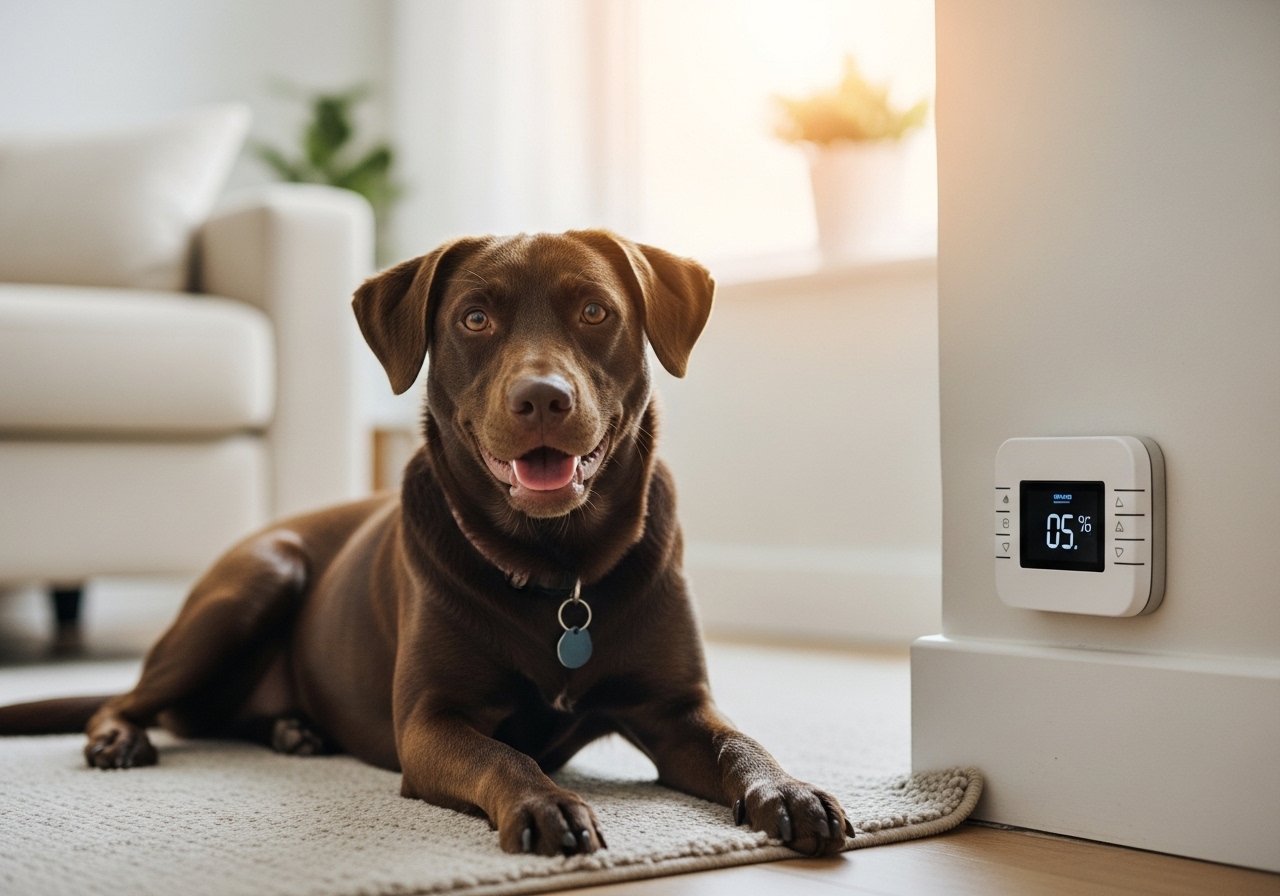
For owners who travel or work long hours, consider installing a smart thermostat that lets you monitor and adjust temperature remotely.
Temperature for Puppies and Newborns
Newborn puppies can’t regulate body temperature on their own. For the first few weeks of life, the area they’re in should stay around 85°F to 90°F (29°C–32°C), gradually decreasing to normal room temperature after a month.
If you’re caring for a nursing mother or young litter:
- Use a heating pad under half of the whelping box (never the entire space).
- Monitor puppies for signs of overheating or chilling.
- Keep humidity moderate to prevent respiratory issues.
Temperature Tips for Different Dog Breeds
Cold-loving breeds: Huskies, Malamutes, Samoyeds, and Newfoundlands are comfortable in cooler temperatures (as low as 60°F).
Heat-sensitive breeds: Bulldogs, Boxers, Pugs, and Boston Terriers do best in the low 70s with good ventilation.
Tiny breeds: Chihuahuas, Toy Poodles, and Yorkies often need warmth even indoors, especially during winter.
The Bottom Line
There’s no single perfect number for every dog, but generally:
- 68°F to 72°F (20°C–22°C) is comfortable for most.
- Adjust up or down depending on your dog’s size, coat, and health.
- Watch your pet’s body language — they’ll tell you what feels right.
Your dog’s comfort depends on more than temperature alone. Warm blankets, hydration, airflow, and attentive care all play a role in keeping your best friend healthy and happy year-round.
Final Thoughts
Keeping your home at the right temperature isn’t just about comfort — it’s part of caring for your dog’s overall health. Every dog is unique, but with observation and small adjustments, you can create the perfect cozy environment they’ll love.
Want to become an expert in your dog’s well-being? Explore our Online Dog Courses — expert-led programs that teach you how to care for your dog confidently through every season.