Maine Coons are often called gentle giants for their size and affectionate personality. They are intelligent, loyal, and playful, making them one of the most loved cat breeds worldwide. But before you bring one home, it’s important to know the full picture. Maine Coons make incredible pets, yet they come with some unique challenges that potential owners should understand.
Understanding the Maine Coon Personality
Maine Coons are smart, curious, and quick to learn routines. Many owners say their cats seem to know household rules but love testing limits. Their intelligence makes them engaging companions, but also mischievous at times.
These cats are also deeply social. They crave attention and can feel lonely when left alone for long periods. If you work long hours or travel often, consider whether you can provide the companionship and stimulation they need.
If you’re looking to understand feline behavior and communication more deeply, our online cat courses offer expert insights into how to train, enrich, and bond with your cat at every life stage.
Grooming and Shedding Challenges
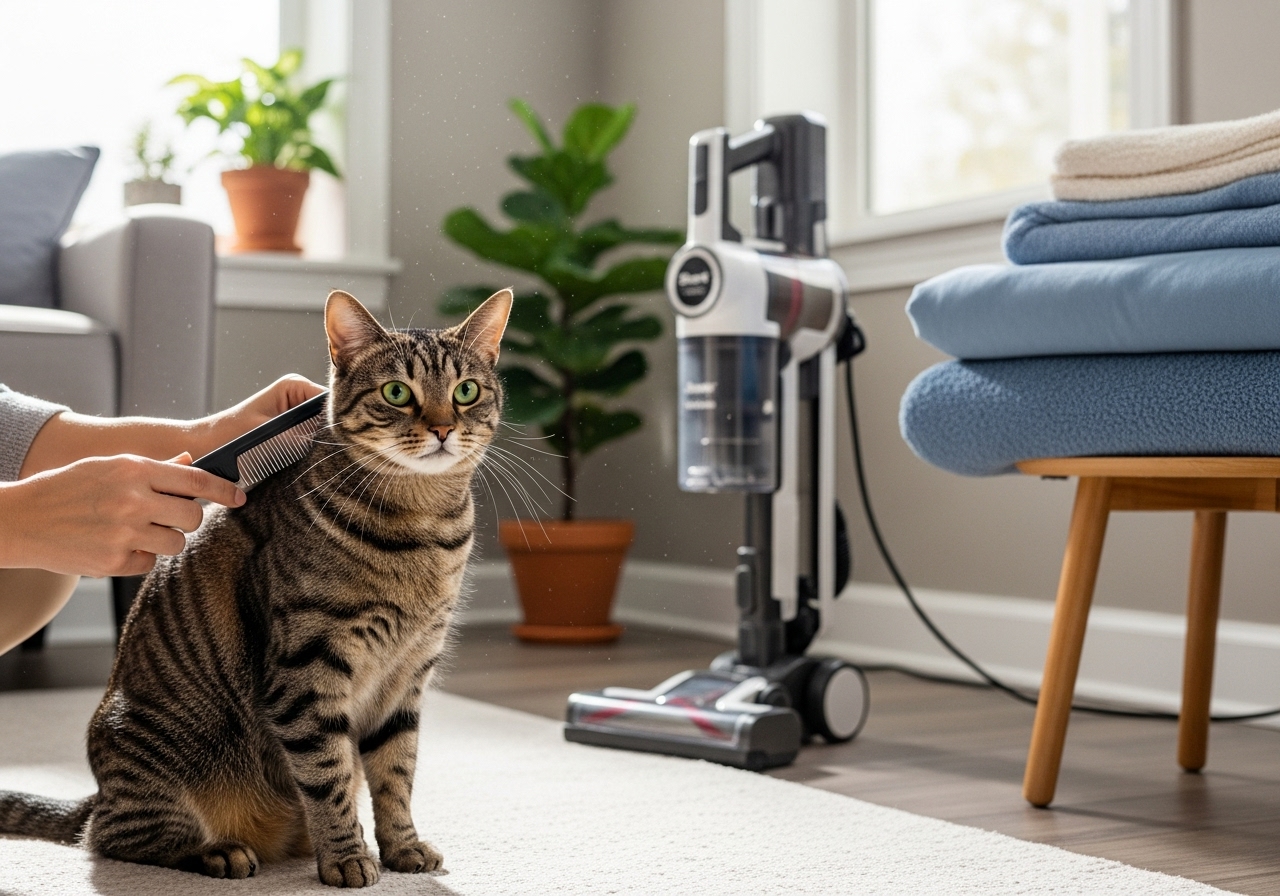
A Maine Coon’s long, luxurious fur is stunning but requires effort. Their thick double coat needs regular brushing to prevent mats and shedding. Without frequent grooming, their fur can trap dirt, moisture, or even cause skin irritation.
Bathing is another challenge. Their coat takes a long time to dry, and many dislike hair dryers. Keeping them cool and dry, especially in warm climates, takes planning.
If you’re curious about breeds that handle grooming differently, explore cat breeds that like water to see how some cats actually enjoy bath time.
Big Cats, Big Appetites
These cats love food. Their large size and high activity level mean they need more calories than the average cat. However, their enthusiasm for eating can easily turn into overeating if not managed properly.
Controlling portions, offering high-quality protein, and avoiding excessive treats will keep your Maine Coon fit and healthy. Because they are food-motivated, they also respond well to positive reinforcement training.
If you want to create a more natural, balanced diet plan for your cat, read what herbs are good for cats to discover safe herbal additions that support digestion and wellness.
They Are Not Always Lap Cats
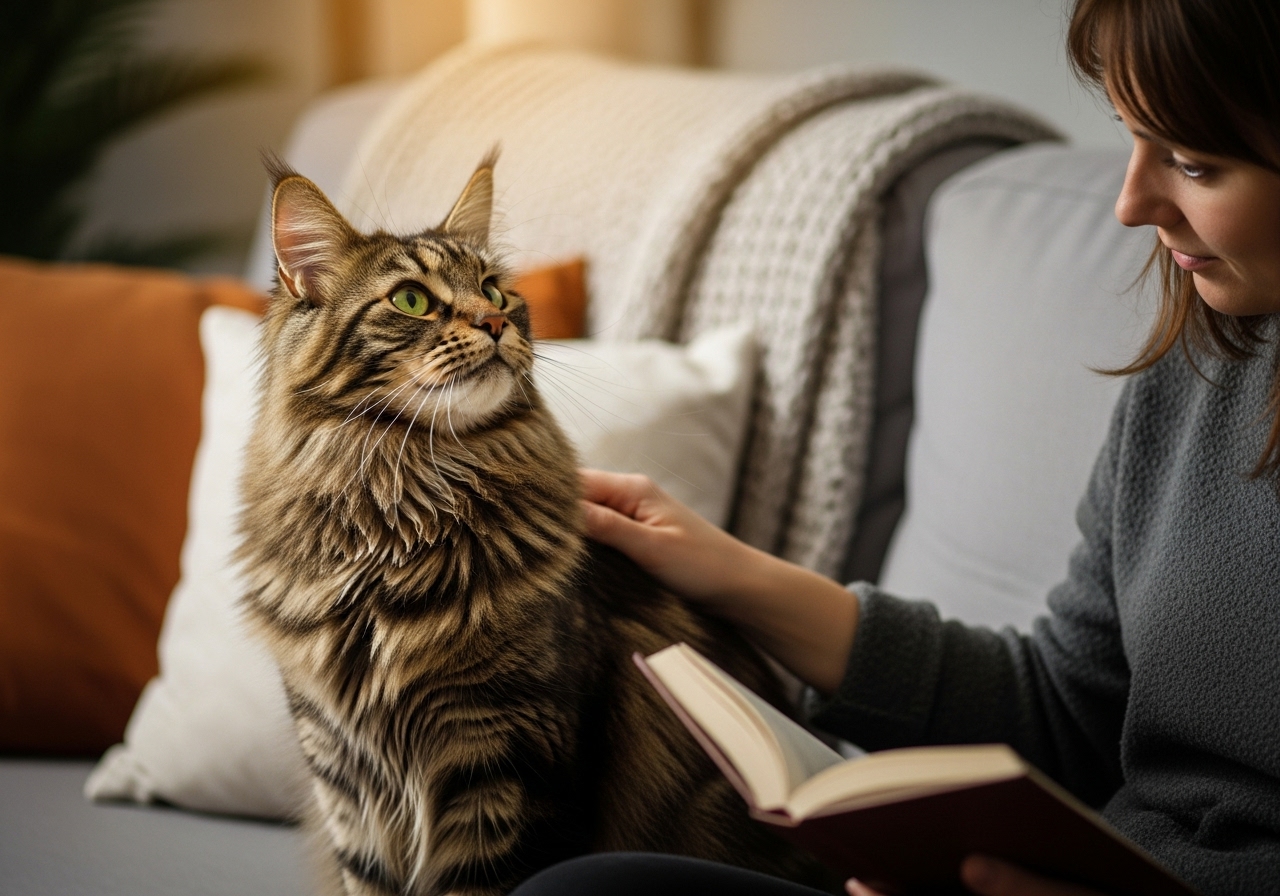
Maine Coons are affectionate, but they prefer closeness on their own terms. They’ll follow you from room to room, sleep near you, and occasionally sit on your lap—but only when they choose to.
Their independence is part of their charm. They enjoy affection but dislike being held for long. Once they’ve had enough cuddles, they’ll politely move away.
Space and Activity Needs
Maine Coons need plenty of space to move and climb. Their playful, energetic nature thrives in environments with tall cat trees, scratching posts, and window perches. If you live in an apartment, provide vertical spaces to help them stay active.
Some Maine Coons also enjoy supervised walks or exploring outdoor catios. However, letting them roam freely near roads can be risky. Our guide on keeping cats safe from road traffic offers simple steps to protect adventurous cats.
Common Health Concerns
Though generally healthy, Maine Coons are prone to a few genetic issues:
- Hypertrophic cardiomyopathy (HCM): a form of heart disease
- Hip dysplasia: joint weakness due to their large size
- Polycystic kidney disease (PKD): cysts that affect kidney function
Regular checkups, a balanced diet, and early screening are essential. Responsible breeders should always provide health certifications.
Emotional Sensitivity
Maine Coons are emotionally intelligent. They sense changes in household mood or routine and can become anxious in stressful environments. Loud noises, long separations, or frequent moves may upset them.
They communicate through soft chirps and trills rather than loud meows, which makes their affection subtle but endearing. Giving them consistency and attention helps them stay calm and confident.
For a deeper look into how to strengthen emotional trust and reduce stress in cats, explore our online cat courses—they cover feline behavior, enrichment, and stress-free training methods that every cat owner should know.
The Joys Outweigh the Challenges
Owning a Maine Coon is not just about their majestic appearance. It’s about companionship, laughter, and learning to live with a gentle, intelligent soul who quickly becomes family. Yes, they require grooming, care, and attention—but in return, they offer endless love, playfulness, and charm.
Are Maine Coon Cats High Maintenance?
Yes. Their coats require frequent brushing, and they thrive on regular interaction and enrichment. A bored Maine Coon can become vocal or destructive.
Do Maine Coons Get Along with Other Pets?
Most do. Maine Coons are sociable and adapt well to living with dogs or other cats when introduced properly.
Do Maine Coons Like to Be Held?
Not always. They enjoy being near their humans but prefer freedom of movement rather than being carried.
Are Maine Coons Good Apartment Pets?
Yes, as long as they have enough stimulation, playtime, and climbing options. Space and engagement matter more than square footage.
What Is the Lifespan of a Maine Coon?
Maine Coons typically live 12 to 15 years with proper diet, vet care, and regular grooming. Some even reach 18 years in good health.
Final Thoughts
A Maine Coon cat is a big-hearted, intelligent companion who fills your life with love and personality. Their care can be demanding, but their loyalty and affection make every bit of effort worthwhile. If you want to truly understand your cat’s mind and build a strong, lifelong bond, take a look at our online cat courses for expert-backed lessons on feline care, communication, and wellness.