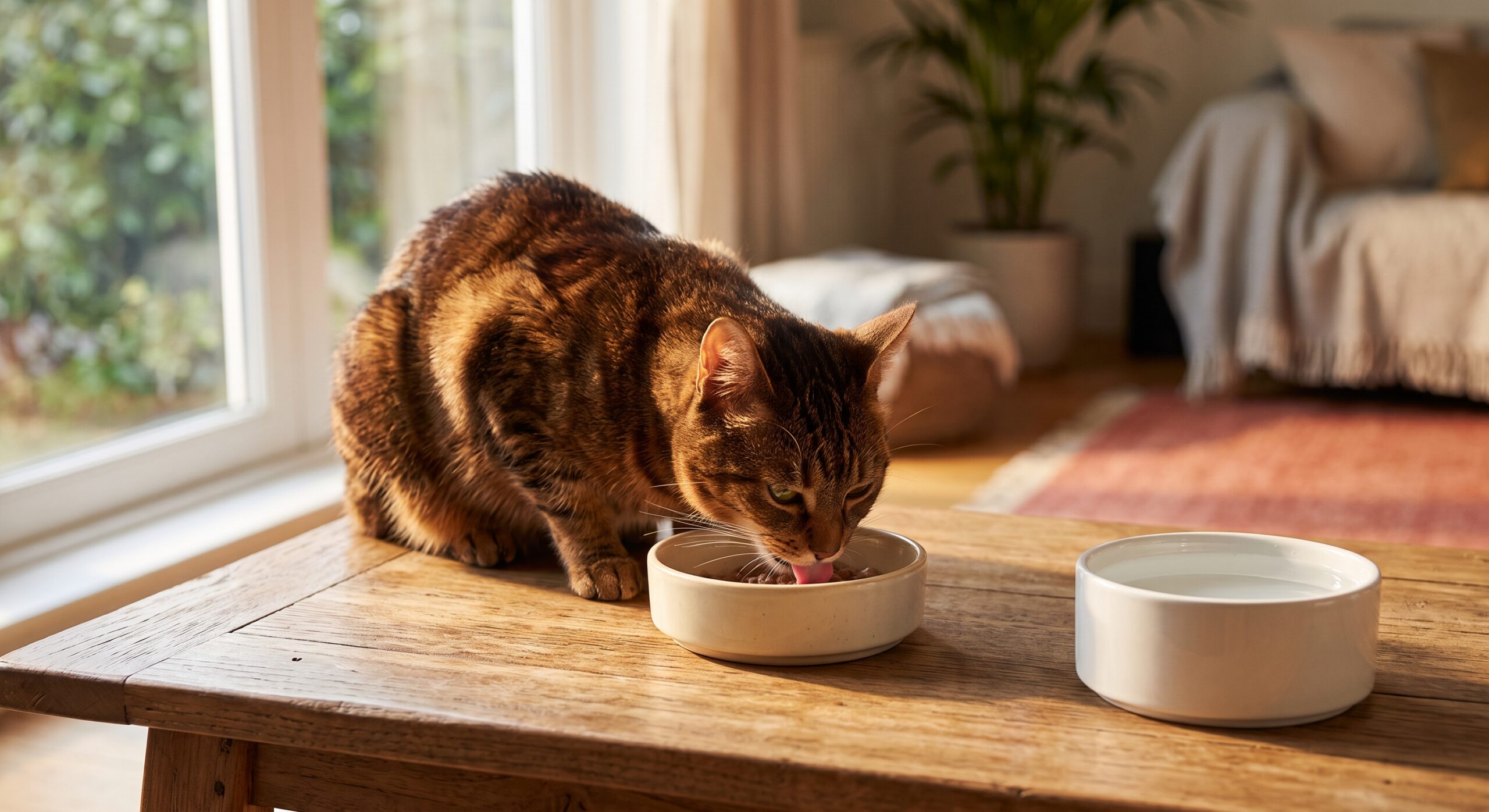

Food therapy strategies for managing chronic diarrhea in dogs with SIBO and IBD — dietary principles, key ingredients, and integrative approaches that address inflammation, dysbiosis, and nutrient imbalance.
Chronic diarrhea is one of the most common and frustrating gastrointestinal complaints in dogs. Unlike the occasional upset stomach, chronic diarrhea persists for weeks or even months, and might seriously impact a dog’s comfort, nutrition, and overall well-being. In a retrospective study involving 136 dogs with diarrhea lasting more than three weeks, nearly 90%were found to have primary gastrointestinal diseases, the majority of which were chronic inflammatory enteropathies such as food-responsive diarrhea, antibiotic-responsive enteropathy (often linked with SIBO), and idiopathic inflammatory bowel disease (IBD).
While many dogs eventually respond to treatment, the path to diagnosis and recovery isn’t always straightforward. One of the greatest challenges is distinguishing between conditions that share similar symptoms, like SIBO and IBD, but require different management strategies. Both may present with soft stools, weight loss, or bloating, yet the underlying causes and treatments differ. SIBO, for example, may respond to antimicrobials and probiotics, while IBD often involves immune-modulating therapies.
One of the most promising integrative tools for managing chronic diarrhea is food therapy. Rather than just masking symptoms, this approach seeks to address the root causes: calming inflammation, restoring microbial balance, and eliminating dietary triggers. Food therapy focuses on feeding dogs whole, nutrient-dense, and minimally processed meals tailored to their specific needs. This method has proven especially effective for dogs with food-responsive enteropathy (FRE) which accounted for nearly half of all chronic diarrhea cases in the study.
This article provides strategies for adapting food therapy to suit dogs with complex gastrointestinal issues, such as SIBO and IBD.
Understanding SIBO vs. IBD: key differences
Chronic digestive issues in dogs, such as diarrhea, gas, or bloating, may initially seem like simple food intolerance. However, when symptoms persist, they may signal deeper imbalances in the gut. Two common culprits are small intestinal bacterial overgrowth (SIBO) and inflammatory bowel disease (IBD). Though both affect the gastrointestinal system, they differ significantly in origin, diagnosis, and treatment.
- SIBO occurs when bacteria that normally reside in the large intestine begin to overgrow in the small intestine. This disrupts digestion, impairs nutrient absorption, and can cause inflammation. Dogs with SIBO often experience chronic diarrhea, flatulence, bloating, and abdominal discomfort. Some also show early-morning stomach gurgling (between 1 AM and 4 AM), lip licking, pacing, or restlessness after carbohydrate-rich meals. According to Gaschen and Merchant (2011), serum folate and cobalamin levels may help raise suspicion for SIBO — high folate and low B12 levels are often suggestive, but these markers lack sensitivity and are not definitive. Direct bacterial culture of duodenal fluid remains the gold standard, though it is rarely performed in general practice due to its invasiveness.
- IBD, by contrast, is a chronic immune-mediated condition marked by inflammation of the intestinal lining. Symptoms often include chronic diarrhea (with or without vomiting), weight loss, poor coat condition, and reduced appetite. Diagnosis typically requires intestinal biopsies to confirm inflammatory cell infiltration (Jergens et al., 2010). While the cause is not always clear, contributing factors may include immune dysregulation, food sensitivities, genetic predisposition, and microbiome imbalances.
Both SIBO and IBD are closely tied to gut dysbiosis, or microbial imbalance. Pilla and Suchodolski (2020) found that dysbiosis not only contributes to disease symptoms but also influences key metabolic processes in the gut. In SIBO, bacteria that overpopulate the small intestine often include facultative anaerobes such as E. coli and Staphylococcus spp., which thrive in oxygen-rich conditions. In IBD, dysbiosis tends to be broader, involving a loss of beneficial short-chain fatty acid–producing bacteria like Faecalibacterium and Blautia, and an increase in pro-inflammatory microbes like E. coli.
Differentiating between SIBO and IBD can be challenging, especially because the two may coexist. Inflammatory changes in IBD can impair gut motility and barrier function, creating an environment that supports bacterial overgrowth in the small intestine. This overlap can lead to misdiagnosis or partial treatment if only one condition is addressed.
Recognizing the clinical differences and their shared root in dysbiosis is essential. SIBO often responds to diet changes, probiotics, and short-term antimicrobials, while IBD usually requires long-term immune modulation and strict dietary management. Addressing both microbial imbalance and inflammation gives dogs the best chance at meaningful recovery.
The role of a low-carb diet in SIBO management
In managing small intestinal bacterial overgrowth (SIBO) in dogs, diet plays a pivotal role alongside medical treatment. While antibiotics may be used to reduce bacterial load temporarily, long term symptom relief and microbiome balance often depend on carefully structured dietary changes –particularly limiting fermentable carbohydrates. A low-carbohydrate, highly digestible diet helps reduce fermentation in the small intestine, which in turn alleviates symptoms such as bloating, gas, and chronic diarrhea.
- Carbohydrates — especially those that are poorly digested or fermentable — serve as a primary energy source for bacteria residing in the small intestine. When these carbohydrates are not fully absorbed, they are fermented by the overgrown bacterial population, producing gas, short-chain fatty acids, and potentially pro-inflammatory metabolites. This process has been described in human studies, including research by Stotzer et al (2003), which identified excess carbohydrate fermentation as a key contributor to SIBO-related diarrhea and bloating.
To interrupt this cycle, a low-carb diet helps by minimizing the substrates available for bacterial fermentation. In practice, this dietary approach emphasizes highly digestible proteins — such as turkey, eggs, lean fish, or pork — paired with non-starchy vegetables like zucchini, spinach, or green beans. These ingredients support nutrient absorption while limiting fermentation risk. In her foundational text Breaking the Vicious Cycle, Gottschall (2004) explains how reducing complex sugars and starches through the Specific Carbohydrate Diet (SCD) can limit microbial overgrowth and support mucosal healing, an approach increasingly echoed in veterinary settings.
- Cooking methods also matter. Preparing meals to a congee-like or porridge consistency can reduce the digestive workload on inflamed or damaged intestines. This technique improves nutrient absorption and reduces the chance of undigested particles feeding bacterial overgrowth. Though more common in holistic and Traditional Chinese Veterinary Medicine, the rationale is similar to that seen in low-FODMAP human diets. For instance, Halmos et al (2014) demonstrated that a diet low in fermentable oligosaccharides, disaccharides, monosaccharides, and polyols (FODMAPs) reduced IBS symptoms — many of which overlap with canine SIBO presentations.
- Fat content is another key consideration. While low-carb diets may be higher in fat to maintain caloric density, this must be adjusted for dogs with pancreatitis or fat sensitivities. In such cases, it’s important to focus on lean protein sources and carefully selected fats like fish oil or coconut oil, based on individual tolerance and clinical history.
This approach differs from traditional IBD diets, which are typically designed to address immune-mediated inflammation rather than microbial overgrowth. Conventional IBD diets often include hydrolyzed or novel proteins and moderate to high levels of dietary fiber to help regulate stool quality and support colonic health. However, in dogs with SIBO, these same fiber sources — and even certain hydrolyzed diets — can contribute to excess fermentation in the small intestine, exacerbating symptoms like bloating, gas, and diarrhea. While IBD-focused diets aim to reduce immune activation and inflammation, low-carbohydrate SIBO diets are formulated to minimize fermentable substrates, reduce bacterial load, and rebalance the microbiota. Understanding these distinctions is essential for choosing the appropriate nutritional therapy based on the underlying condition.
For dogs with SIBO, a low-carbohydrate, whole-food diet offers a targeted way to reduce fermentation, ease gastrointestinal symptoms, and promote microbial balance. This provides a meaningful alternative to the conventional high-fiber or carbohydrate-inclusive diets often used in IBD management.
Food therapy principles for chronic diarrhea
While medications can manage flare-ups, food therapy offers a foundational, long-term strategy for healing the gut and supporting whole-body health. A thoughtful food therapy plan typically follows four key phases: Remove, Repair, Repopulate, and Balance.
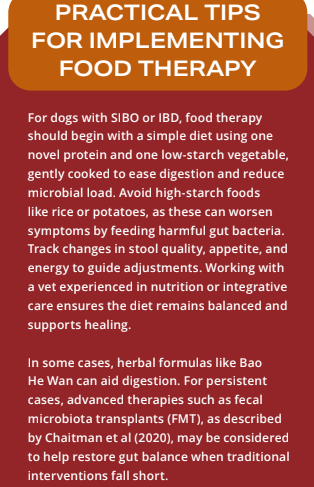
Remove: The first step in food therapy is to eliminate dietary triggers that may be fueling gut inflammation or microbial imbalance. This includes common irritants such as grains, artificial additives, preservatives, and high-carbohydrate ingredients, all of which can contribute to bacterial fermentation or provoke immune responses. An elimination diet is often used at this stage to identify food intolerances or allergies. According to Olivry et al (2015), well-structured elimination trials remain the gold standard for diagnosing adverse food reactions in dogs. By simplifying the diet to one novel protein and carbohydrate source, it becomes easier to observe improvements in symptoms like diarrhea, itching, and gas — offering a clearer picture of what the dog can or cannot tolerate.
Repair: Once potential irritants are removed, the focus turns to repairing the gastrointestinal lining with nutrient-dense, gut-supportive foods. Ingredients like slippery elm bark are commonly used for their soothing, anti-inflammatory properties. Slippery elm, in particular, forms a protective coating over the mucosa, helping to calm irritation and improve stool quality. Bone broth is often recommended for gut healing because it’s rich in amino acids and collagen, but it’s worth noting that slow-cooked broths can be high in histamines. For histamine-sensitive dogs, bone broth may actually worsen symptoms like loose stools or itching, and should either be avoided or replaced with freshly cooked alternatives that don’t trigger similar reactions.
Repopulate: With the gut beginning to heal, the next phase involves restoring microbial balance. This step often includes introducing probiotics such as Saccharomyces boulardii, a beneficial yeast known to support intestinal barrier function and reduce diarrhea. Prebiotics, fermentable fibers that feed beneficial gut bacteria, can also be helpful — but they should be added carefully in dogs with suspected SIBO. In these cases, excessive prebiotic fiber may feed the wrong microbes and worsen symptoms. Slow, individualized introduction is key.
Maintaining a diverse microbiome is crucial to long term digestive health. In human studies, Turnbaugh et al (2009) emphasized how microbial diversity is supported by dietary variety — an idea that carries over into canine gut health. In practice, this means rotating tolerated proteins and vegetables over time, rather than feeding the same formula every day. This not only benefits microbial balance but also reduces the risk of overexposure to any one ingredient.
Balance: The final component of food therapy is ensuring the diet is balanced for the individual dog’s needs. Factors like age, activity level, breed, and coexisting health issues all influence nutritional requirements. A growing puppy may need more calories and calcium; a senior dog may benefit from anti-inflammatory ingredients and lower phosphorus content. In all cases, the goal is to meet essential nutritional needs while minimizing triggers and supporting gut function.
In addition to meeting physical needs, dietary rotation can help prevent the development of new food sensitivities. Fasano and Shea-Donohue (2005) discuss the connection between intestinal barrier integrity and immune system activation. When the same proteins and carbohydrates are fed continuously, the immune system may begin to treat them as threats — especially in dogs with compromised gut linings. Regular rotation among well-tolerated foods helps maintain immune tolerance and reduces the risk of future sensitivities.
Evidence-based ingredients for gut health
Managing chronic diarrhea in dogs often requires more than medication. Incorporating specific, well-researched foods and supplements into the diet can help repair the gut lining, rebalance the microbiome, and improve stool quality. Below are key ingredients supported by both clinical experience and scientific research that contribute to digestive healing in dogs.
Pumpkin: gentle fiber support
Pumpkin is one of the most popular go-to ingredients for dogs with loose stools, and for good reason. It’s rich in soluble fiber, which helps absorb excess water in the colon and firms up stool consistency. Soluble fiber also acts as a prebiotic, lightly nourishing beneficial bacteria in the large intestine. Plain, unsweetened canned pumpkin or steamed fresh pumpkin can be safely added to most dogs’ meals in small amounts (typically 1 to 4 teaspoons depending on size). But note that for digs with SIBO, this can worsen symptoms.
Bone broth: gut repair with caution
As mentioned earlier, bone broth is frequently recommended in gut-healing diets due to its collagen, gelatin, glycine, and glutamine — nutrients that support intestinal mucosal repair and overall immune health. A review by Bello & Oesser (2006) highlights the role of collagen in tissue regeneration, which extends to the gut lining.
However, bone broth is not suitable for every dog. Long cooking times can increase histamine levels, which may trigger adverse reactions in histamine-sensitive dogs, such as itching, gas, or worsening diarrhea. In these cases, lightly cooked meat stocks (simmered for under two hours) offer a safer alternative, delivering amino acids without the histamine buildup. Also, any heavy metals present in the bone may be bleached out along with the beneficial minerals. It’s likely better to go with bone stocks rather than a broth.
Slippery elm bark: nature’s GI soother
Slippery elm bark is a mucilaginous herb known for coating and soothing the digestive tract. It helps reduce inflammation, protect irritated tissues, and improve stool consistency. Although direct research on slippery elm in dogs is limited, studies like Langmead et al (2002), which examined similar demulcent herbs in humans, support its protective effects on the GI mucosa. A small amount of slippery elm powder (often ¼ to ½ teaspoon per meal) can be used under veterinary guidance, especially during acute digestive upset.
Probiotics: targeted microbial support
The right probiotic strains can play a key role in restoring a healthy microbiome. Saccharomyces boulardii, a beneficial yeast, is especially effective for reducing diarrhea, improving stool quality, and supporting gut barrier integrity. It is also unique among probiotics in that it remains effective during antibiotic treatment, making it suitable for use during medical management of SIBO or IBD.
A study by Weese & Martin (2011) assessed commercial probiotics and found strain-specific efficacy, with S. boulardii standing out for its anti-diarrheal benefits. When selecting a probiotic, look for products that include clinically studied strains and accurate label claims.
Prebiotics: fueling good bacteria (cautiously)
Prebiotics are non-digestible fibers that feed beneficial gut bacteria. Ingredients like inulin (from chicory root) and psyllium husk are commonly used to encourage microbial diversity and improve bowel regularity. However, in dogs with SIBO, prebiotics should be introduced carefully, as they can exacerbate symptoms if bacterial populations are imbalanced. Pet owners should always consult with a veterinarian when using prebiotics in dogs with chronic GI conditions.
Novel proteins: supporting sensitivities
In dogs with food sensitivities or suspected dietary allergies, introducing novel proteins such as rabbit, venison, or duck, may lower immune reactions and inflammation in the gut. These proteins are less likely to trigger adverse responses because the dog has not been previously exposed to them. Novel proteins are commonly used during elimination trials and long-term maintenance for dogs with IBD, SIBO, or chronic diarrhea.
Omega-3 fatty Acids: anti-inflammatory power
Omega-3s from fish oil (EPA and DHA) are well-known for their anti-inflammatory effects, which extend to the digestive tract. They help reduce cytokine-driven inflammation and support a healthy intestinal barrier. These fats also promote skin and coat health, which is often compromised in dogs with chronic digestive issues. When supplementing, choose purified fish oils free of heavy metals and oxidation, and dose according to your dog’s weight.
Conclusion
Chronic diarrhea in dogs is rarely a simple issue, and often signals deeper gastrointestinal imbalances such as SIBO or IBD. These conditions may present with overlapping symptoms but require distinct management strategies. Identifying the underlying cause is essential to creating an effective treatment plan, and food therapy can play a transformative role in that process.
A low-carbohydrate, highly digestible, whole-food diet has shown promising results in dogs with SIBO, helping to reduce fermentation, alleviate symptoms, and support microbial balance. This approach differs from traditional IBD diets, which tend to emphasize fiber and immune modulation. When thoughtfully applied, food therapy offers more than symptom control — it works to restore gut integrity, reduce inflammation, and improve the dog’s overall well-being.
Key elements of a successful dietary plan include carefully selected proteins, low-starch vegetables, proper cooking techniques, and adjustments for fat sensitivity when needed. Integrating supportive ingredients like slippery elm or Saccharomyces boulardii, while avoiding common triggers such as high-histamine foods or excess prebiotic fiber, can further enhance outcomes.
Ultimately, managing chronic GI disease requires a personalized, integrative approach. Collaboration between pet parents and veterinary professionals is crucial, especially when navigating complex cases or implementing advanced interventions like fecal microbiota transplantation. With patience, consistency, and expert guidance, it is possible to restore digestive balance and quality of life to dogs suffering from chronic diarrhea.
Case studies
Food therapy isn’t just theory. It has helped many dogs with chronic diarrhea reclaim digestive health. The following anonymized case studies reflect clinical outcomes where customized diets supported recovery in dogs with SIBO and IBD. These cases highlight the need for individualized planning and close monitoring.
Case 1: Chronic GI distress, IBD, and early kidney changes
Patient: 13-year-old spayed small-breed terrier
Complaints: Chronic diarrhea alternating with constipation, abdominal pain, past pancreatitis, and early kidney changes
This terrier had a three-year history of digestive issues, including soft to liquid stools, abdominal discomfort, and pancreatitis episodes. Immunosuppressants like prednisone and budesonide, alongside a hydrolyzed protein diet, failed to provide relief. Fiber supplements worsened symptoms. Routine labs were mostly normal except for mildly elevated alkaline phosphatase. The dog’s family noticed she was aging quickly with low energy, dull coat, and decreased activity.
A diagnosis of chronic IBD with possible SIBO and early kidney disease was made. A personalized food therapy plan was built using the Animal Diet Formulator and Glacier Peak Wellness Scan results. A rotational diet of lean beef, chicken, and pork was developed, with lower fat than The Original CrockPet Diet to reduce pancreatitis risk. Starches and vegetables were minimized, and the TCVM formula Bao He Wan was added to aid digestion.
Within three weeks, the terrier’s stool quality improved, pain episodes became rare, and her coat and energy bounced back. By three months, she was back to enjoying walks and playtime, showing a remarkable transformation.
Case 2: Carbohydrate sensitivity and suspected SIBO
Patient: 12-year-old neutered male Jack Russell Terrier
Complaints: Chronic GI upset unresponsive to standard treatment
This dog experienced severe gas after carbohydrate intake, a gurgling stomach at night, and frank diarrhea. Conventional IBS treatments and diets had failed. Based on symptoms, SIBO was suspected.
A food sensitivity test showed reactivity to most starchy carbohydrates and several proteins. A ketogenic diet was developed using only tolerated ingredients. Within two weeks, symptoms fully resolved with no gas, gurgling, or diarrhea.
The dog thrived on this diet for three years. Carbohydrate reintroductions failed at first, but by the third year, the owner successfully added small quantities of beans, gradually expanding the diet. The dog stayed healthy and symptom-free.
To learn more about food therapy, gut health, and integrative pet care, visit DrRuthRoberts.com and explore educational resources on integrative health at IVCJournal.com. Your dog’s healing journey can start with a single bowl of thoughtfully prepared food.
References
Clinical Studies and Journal Articles
Bello AE, Oesser S. (2006). Collagen hydrolysate for the treatment of osteoarthritis and other joint disorders: A review of the literature. Current Medical Research and Opinion, 22(11), 2221–2232.
Chaitman J, et al. (2020). Fecal microbiota transplantation for treatment of Clostridioides difficile infection in dogs. Journal of Veterinary Internal Medicine, 34(5), 1826–1832.
Fasano A, Shea-Donohue T. (2005). Mechanisms of disease: The role of intestinal barrier function in the pathogenesis of gastrointestinal autoimmune diseases. Nature Clinical Practice Gastroenterology & Hepatology, 2(9), 416–422.
Gaschen FP, Merchant SR. (2011). Small intestinal bacterial overgrowth in dogs and cats. Veterinary Clinics: Small Animal Practice, 41(2), 461–475.
Halmos EP, et al. (2014). A diet low in FODMAPs reduces symptoms of irritable bowel syndrome. Gastroenterology, 146(1), 67–75.
Jergens AE, et al. (2010). A scoring index for disease activity in canine inflammatory bowel disease. Journal of Veterinary Internal Medicine, 24(3), 269–274.
Langmead L, et al. (2002). Randomized, double-blind, placebo-controlled trial of oral aloe vera gel for active ulcerative colitis. Alimentary Pharmacology & Therapeutics, 16(2), 198–205.
Olivry T, et al. (2015). Guidelines for clinical trials involving dogs with atopic dermatitis. Veterinary Dermatology, 26(3), 163–e35.
Pilla R, Suchodolski JS. (2020). The role of the canine gut microbiome and metabolome in health and gastrointestinal disease. Frontiers in Veterinary Science, 6, 498. https://doi.org/10.3389/fvets.2019.00498.
Porcari S, Severino A, Rondinella D, Bibbò S, Quaranta G, Masucci L, Maida M, Scaldaferri F, Sanguinetti M, Gasbarrini A, Cammarota G, Ianiro G. (2023). Fecal microbiota transplantation for recurrent Clostridioides difficile infection in patients with concurrent ulcerative colitis. Journal of Autoimmunity, 141, 103033. https://doi.org/10.1016/j.jaut.2023.103033.
Stotzer PO, et al. (2003). Small intestinal bacterial overgrowth: A common cause of diarrhea in older adults. Gastroenterology, 124(4), 1069–1077.
Turnbaugh PJ, et al. (2009). A core gut microbiome in obese and lean twins. Nature, 457(7228), 480–484.
Weese JS, Martin H. (2011). Assessment of commercial probiotic bacterial contents and label accuracy. The Canadian Veterinary Journal, 52(1), 43–48.
Books and Foundational Texts
Gottschall E. (2004). Breaking the Vicious Cycle: Intestinal Health Through Diet. Kirkton Press.
Veterinary Practice and Functional Medicine
Dodds WJ. (2012). Nutrigenomics and nutrigenetics in dogs: Implications for diagnosis and treatment of chronic diseases. Topics in Companion Animal Medicine, 27(3), 123-128.
Verlinden A, et al. (2006). Food allergy in dogs and cats: A review. Critical Reviews in Food Science and Nutrition, 46(3), 259-273.