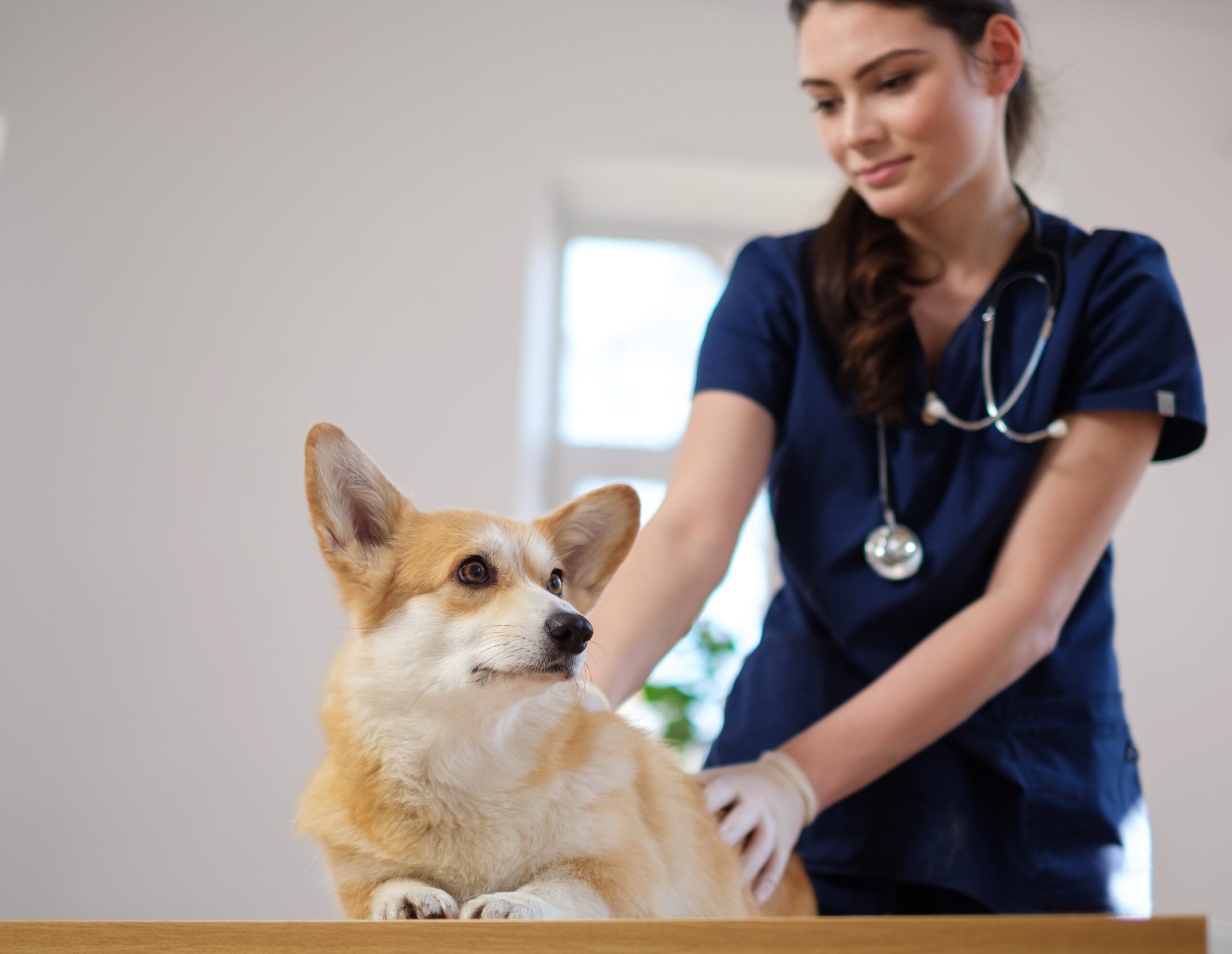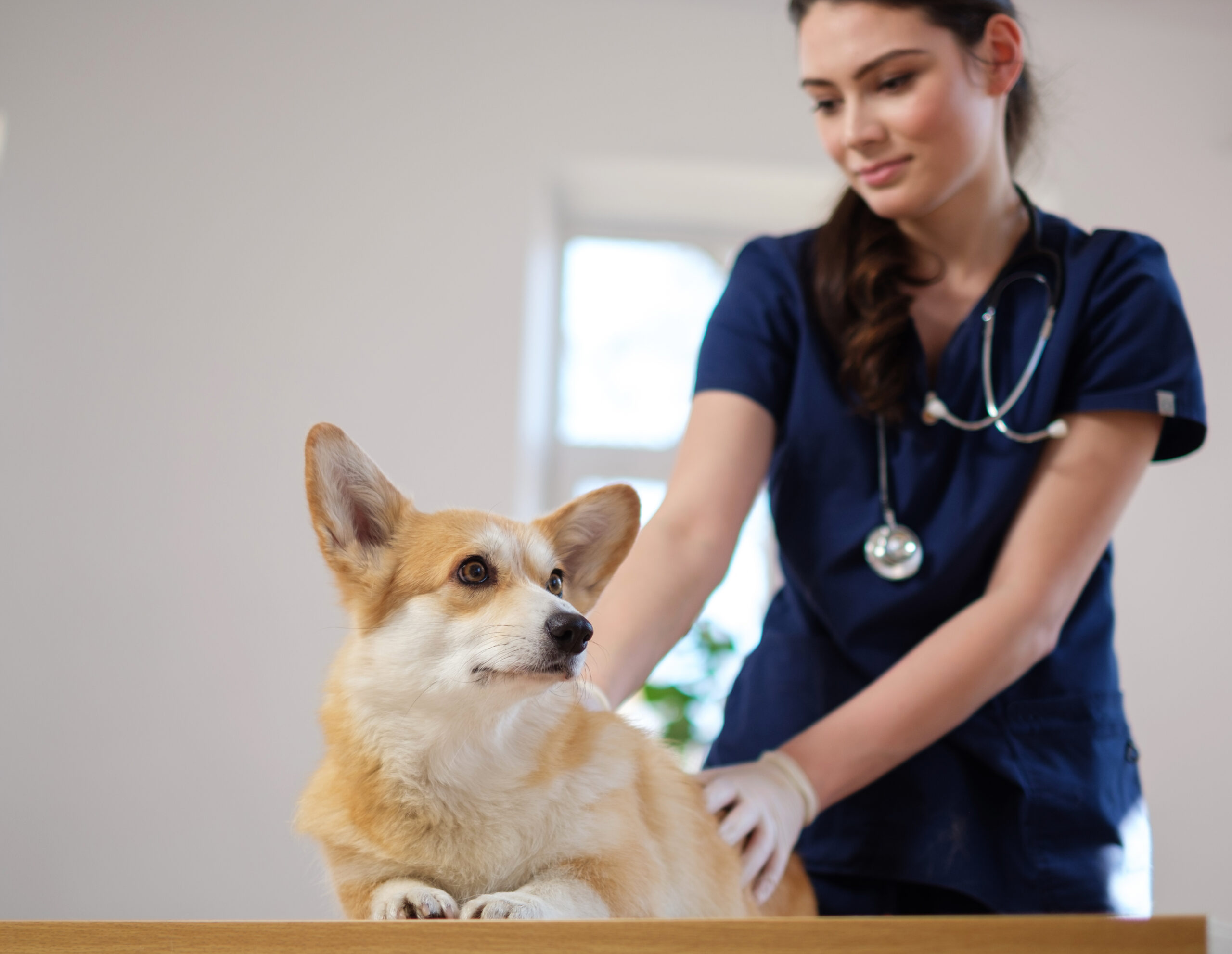


Your pet isn’t sick—at least not obviously. Yet you sense something’s off. Those subtle signs your pet is sick often go unnoticed until they turn serious. This guide helps you spot early warning signs in dogs and cats, understand changes in appetite and thirst, and know when to call the vet. Build confidence with simple home checks and step up your knowledge with Animal Wellness Academy’s preventative pet care courses.
Subtle Signs Your Pet is Sick
Understanding the small clues that indicate your pet might not be feeling well is essential for their health. By being attentive, you can address issues before they escalate.
Changes in Appetite and Thirst
A noticeable shift in eating or drinking can be a red flag. If your dog or cat suddenly seems uninterested in food or starts drinking excessively, it might indicate an underlying problem. For example, a cat that stops eating could be experiencing dental pain or stress. On the other hand, increased thirst might signal diabetes or kidney issues. Keep an eye on these changes, as they’re often among the first signs that something is wrong.
Watching your pet’s eating habits can help you catch health issues early. Document any changes you notice, including the amounts they eat or drink. This information can be crucial for your vet. Understanding these patterns gives you a head start in addressing potential health concerns.
Pet Behavior Changes to Note
Behavior is another indicator of your pet’s well-being. A normally playful dog that becomes withdrawn or a cat that starts hiding more than usual could be trying to tell you something. These changes might seem minor, but they can indicate stress, pain, or illness. Don’t dismiss these shifts as mere mood swings.
Pay attention to your pet’s energy levels and interactions. Are they less excited to see you? Do they ignore toys they once loved? These behavioral changes might seem subtle, but they can provide valuable insights into your pet’s health.
Pain Signs in Pets
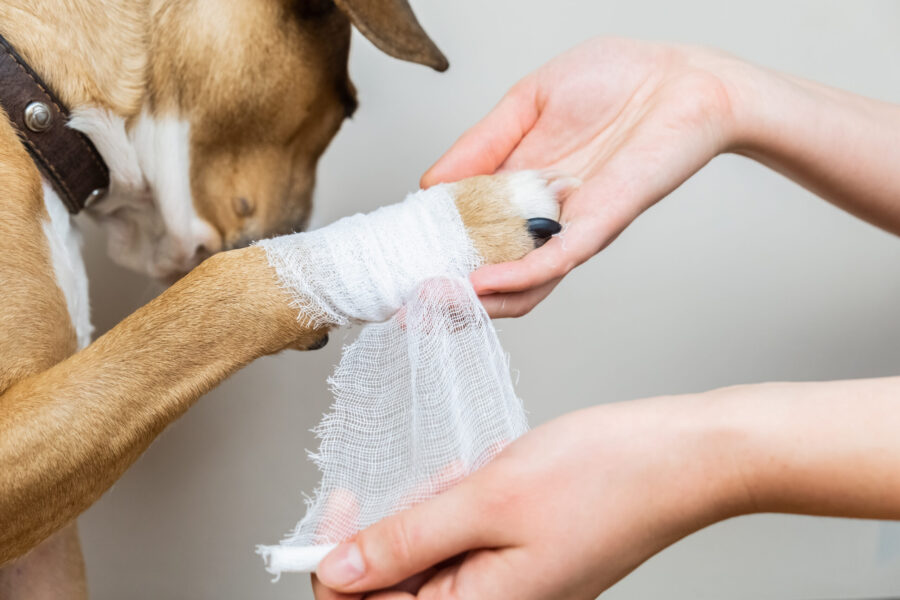
Recognizing signs of pain in your pets is crucial. Unlike humans, pets can’t verbalize their discomfort. Watch for limping, favoring one side, or changes in posture. Cats may purr more if they’re in pain, while dogs might whine or become more aggressive. These signs might be easy to overlook, but they’re important indicators.
Your pet’s body language can reveal a lot. Observe them closely for any signs of distress, such as excessive grooming or avoiding certain activities. These behaviors can help you pinpoint areas of discomfort and take appropriate action.
Home Check-In Routine for Pets

Regularly checking your pet’s health at home can prevent small issues from becoming big problems. Let’s explore some simple ways to keep tabs on your pet’s health.
Pet Wellness Checklist Essentials
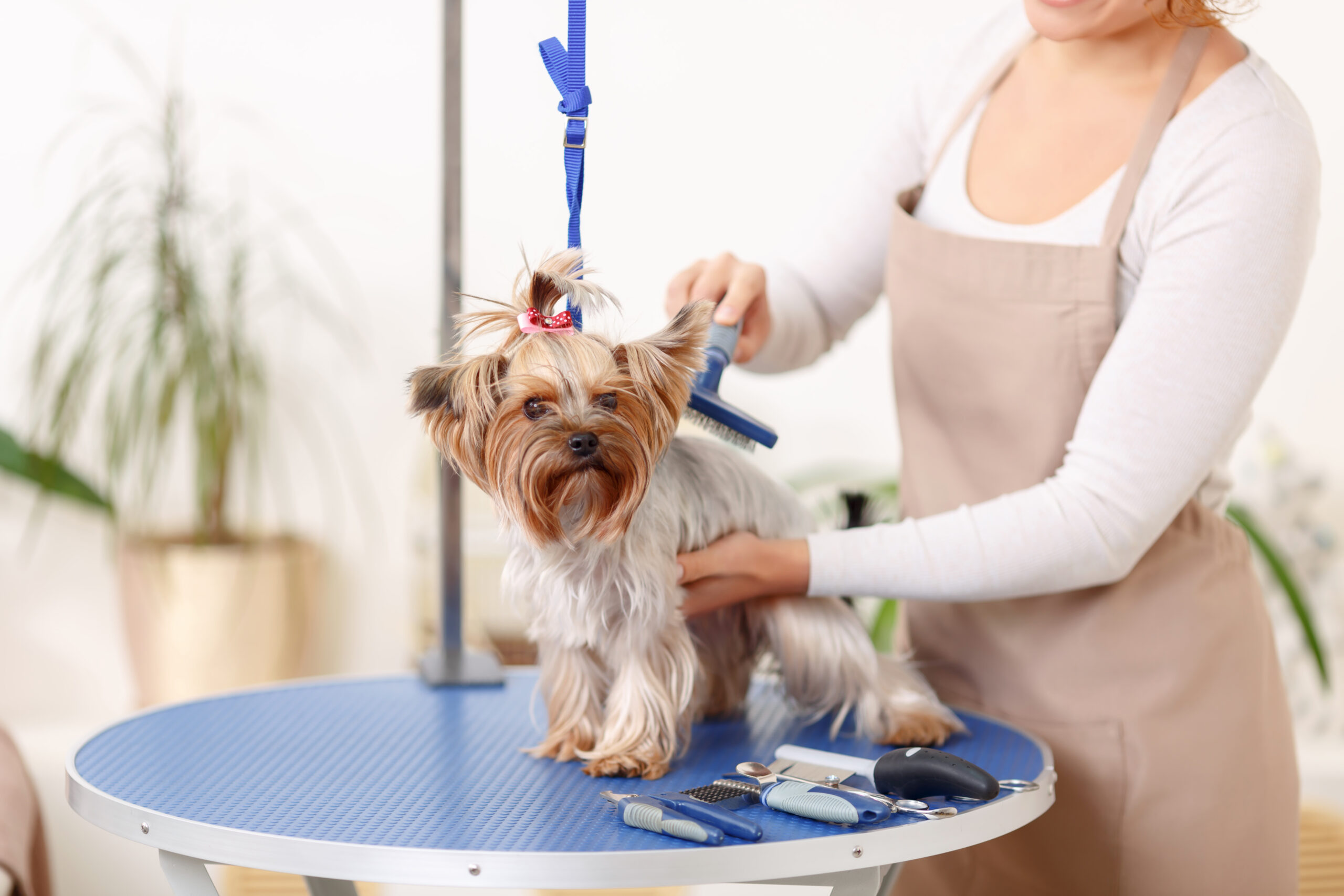
Having a checklist ensures you don’t miss important health indicators. Include items like coat condition, eye clarity, and energy levels. Regular grooming and petting sessions can serve as wellness checks. You’re not just bonding; you’re monitoring your pet’s health.
A checklist can make this process easy and routine. Document any changes you observe and keep these notes organized for future reference. This consistent monitoring can help you catch potential issues early.
Pet Vital Signs at Home: Tips
Learning to check your pet’s vital signs can be empowering. For instance, knowing how to measure their temperature or pulse at home can provide early insights into their health status. Most pets have a resting heart rate of 60-140 beats per minute, depending on their size.
These checks don’t require special equipment. A simple thermometer and your own hands are often enough. Practice these skills regularly to ensure you’re comfortable and confident in evaluating your pet’s health.
Gum Color Hydration Test Guide
Checking your pet’s gum color is a quick and easy way to assess hydration and circulation. Healthy gums should be pink. Pale or bluish gums could be a sign of illness or poor circulation. Gently press on your pet’s gums and see how quickly the color returns. This simple test can offer insights into your pet’s overall health.
Performing this test regularly can alert you to changes early. It’s a valuable tool in your pet care toolkit, helping you gauge when to seek professional advice.
When to Call the Vet
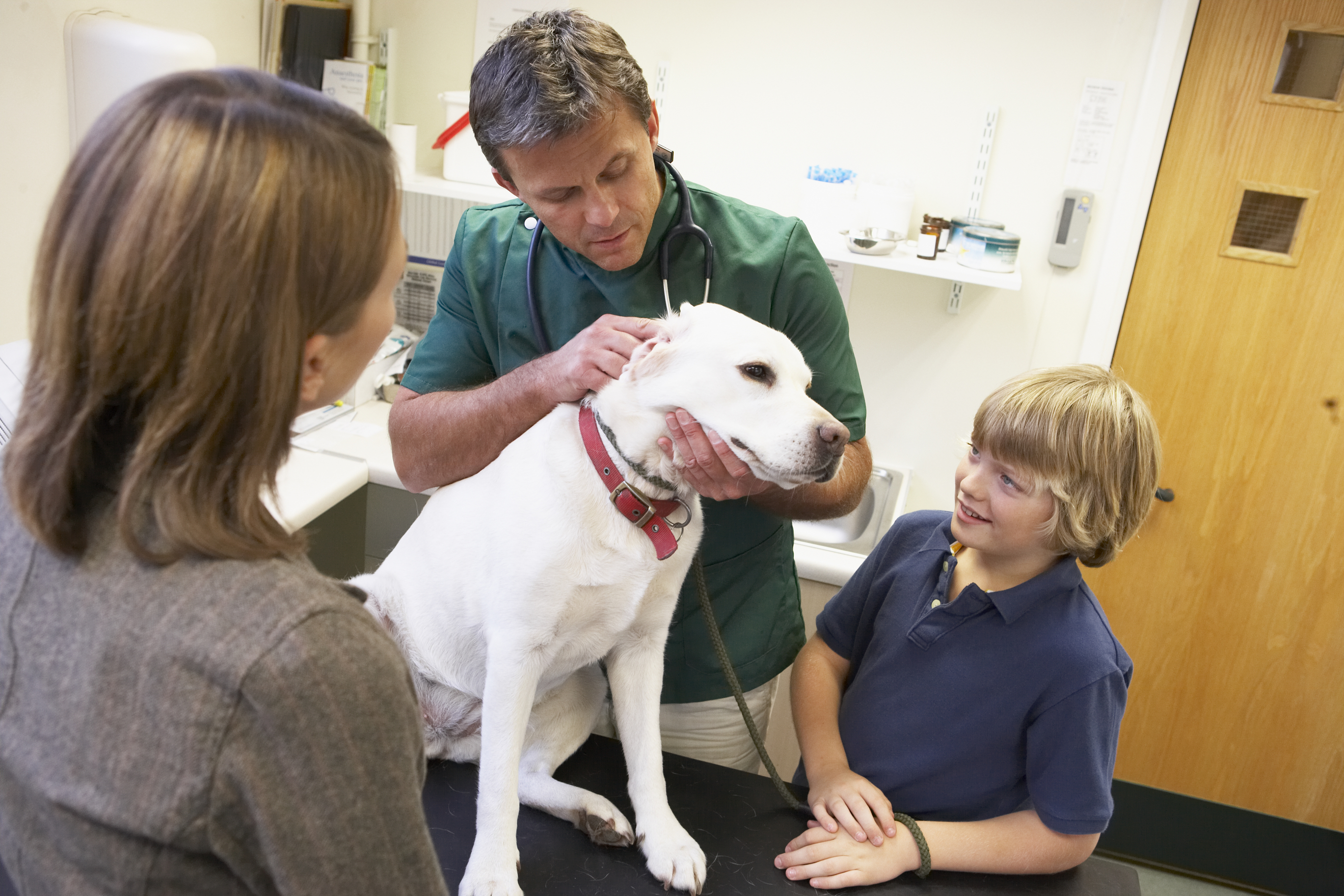
Knowing when to seek veterinary help is as important as recognizing subtle signs of illness. Let’s explore when it’s time to make that call.
Early Warning Signs in Dogs and Cats
Certain signs demand immediate attention. Persistent vomiting, diarrhea, or difficulty breathing are clear indicators that something’s wrong. Early action can prevent these issues from becoming emergencies.
Monitor for signs like coughing, sneezing, or unusual discharge. These symptoms might seem minor, but they can escalate quickly. Trust your instincts—when in doubt, consult your vet.
Resting Respiration Rate for Pets
Monitoring your pet’s breathing can provide insights into their respiratory health. A dog’s resting respiration rate should be between 10-35 breaths per minute; for cats, it’s 20-30. Consistently high rates could signal a problem.
Regularly counting your pet’s breaths can help you notice changes. If their breathing rate increases without any obvious cause, consider reaching out to your vet for advice.
Cat Hiding or Dog Lethargic: Act Fast
If your cat is hiding and not eating, or your dog is lethargic but eating, it’s a signal to act quickly. These behaviors can indicate stress, pain, or illness. The longer you wait, the more serious the issue can become.
Don’t second-guess these signs. Speedy action can make a significant difference in your pet’s health outcome. Always err on the side of caution and consult your vet if you’re concerned.
Finally, remember that knowledge empowers you to care better for your furry companions. Exploring certifications through the Animal Wellness Academy can enhance your ability to keep your pet healthy and happy.