
Chronic inflammation remains one of the most prevalent clinical challenges in modern small animal practice. As pet lifespans increase and diagnostic capabilities improve, we’re identifying inflammatory conditions earlier and more frequently than ever before. Understanding the common causes and evidence-based natural management strategies has become essential for comprehensive patient care.
Common Causes of Chronic Inflammation
Today’s veterinary professionals regularly encounter several inflammatory conditions. Osteoarthritis affects nearly every aging dog and many cats, resulting from progressive cartilage degradation and subsequent bone-on-bone contact. The inflammatory cascade in arthritic joints causes significant discomfort and mobility limitations.
Inflammatory bowel disease (IBD) represents another frequent diagnosis, particularly in middle-aged patients of both species. This chronic gastrointestinal inflammation involves complex interactions between genetic predisposition, abnormal immune responses to dietary components, and alterations in gut flora. Certain breeds show increased susceptibility, including Basenjis, Soft-coated Wheaten Terriers, and French Bulldogs.
Hip dysplasia, while primarily a structural abnormality, creates chronic inflammation through joint laxity and abnormal wear patterns. Additionally, we’re seeing increased recognition of systemic inflammatory responses related to obesity, dental disease, and chronic skin conditions.
Natural Anti-Inflammatory Approaches
Research increasingly supports specific botanical and marine-based supplements and other substances for managing chronic inflammation. Here’s what current evidence tells us about some natural options:
Turmeric (Curcumin)
Turmeric contains curcumin, a compound with demonstrated anti-inflammatory properties. While human and laboratory studies show promise, veterinary-specific research remains limited. The primary challenge with turmeric involves bioavailability—curcumin is poorly absorbed in the gastrointestinal tract. Products combining curcumin with piperine (black pepper extract) or lipid-based delivery systems may improve absorption. When recommending turmeric products, veterinary professionals should counsel clients about potential gastrointestinal upset and interactions with certain medications.
Ginger Root
Ginger possesses anti-inflammatory compounds called gingerols. Traditional use and some research suggest benefits for inflammatory conditions, though robust veterinary clinical trials are lacking. Ginger may offer additional gastrointestinal benefits for patients with IBD-related nausea. However, practitioners should advise caution in patients with bleeding disorders or those taking anticoagulant medications.
Boswellia Serrata Extract
Boswellia, also called Indian frankincense, contains boswellic acids that inhibit inflammatory pathways. Some veterinary research supports its use in joint supplements, and it appears in various commercial products. The evidence base, while growing, still requires more rigorous clinical trials to establish optimal dosing and efficacy in dogs and cats.
Green-Lipped Mussel (Perna canaliculus)
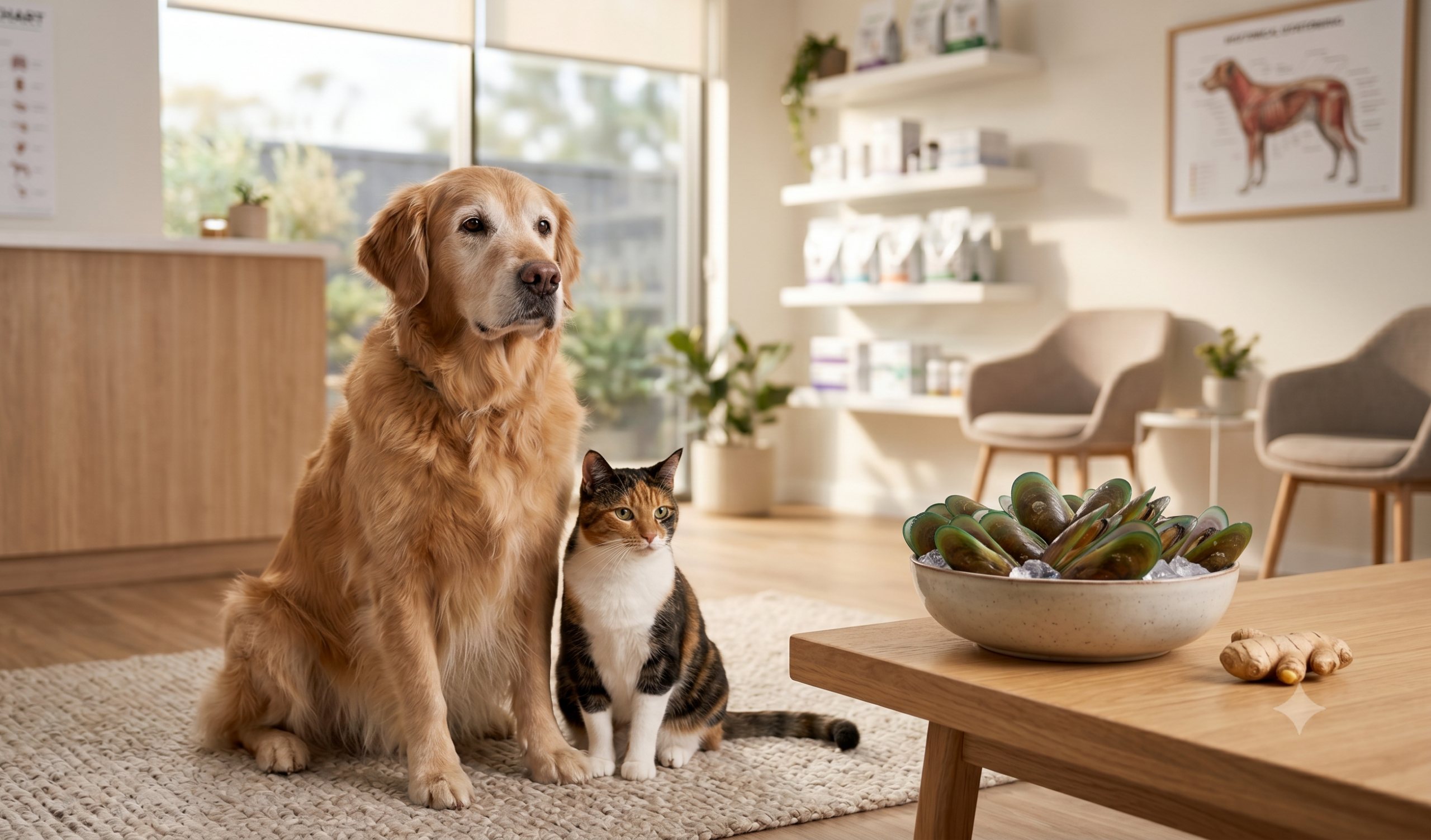
Of these four options, green-lipped mussel extract has perhaps the strongest veterinary research support. This New Zealand mussel contains omega-3 fatty acids and compounds that work similarly to chondroitin, supporting cartilage health while reducing inflammation. Multiple studies verify its benefits for canine arthritis, with an effective dose of approximately seventy-seven milligrams per kilogram of body weight daily. This ingredient appears in many reputable joint supplements and represents an evidence-based natural option.
Minerals and Clays
The scientific evidence for these substances varies quite a bit. Some can actually be harmful if used incorrectly or if animals ingest them.
Minerals:
- Sulfur – Found in natural hot springs and mineral deposits
- Magnesium – Often found in mineral-rich waters and certain clay deposits
- Zinc – Present in various mineral formations
Clays:
- Bentonite clay – Often used topically for skin conditions
- Kaolin clay – Sometimes used in poultices
- Montmorillonite clay – Has been used in various traditional applications
- Green clay (French green clay) – Used in some topical preparations
Natural supplements and agents work best as part of comprehensive management plans that include weight control, appropriate exercise modification, and other interventions.
The field of natural anti-inflammatory therapy continues evolving. As veterinary professionals, staying current with emerging research helps us provide optimal patient care and client education regarding these popular natural approaches.