
Study Insights About Insect-Derived Extracts Used in Feline CKD
Chronic kidney disease (CKD) remains a major concern in feline medicine, with rising prevalence and limited preventive options. Recent in vitro research has explored the…


Chronic kidney disease (CKD) remains a major concern in feline medicine, with rising prevalence and limited preventive options. Recent in vitro research has explored the…

Technology is always moving forward, and veterinary medicine is no exception. One of the most exciting advances in recent years is the use of 3D printing —…
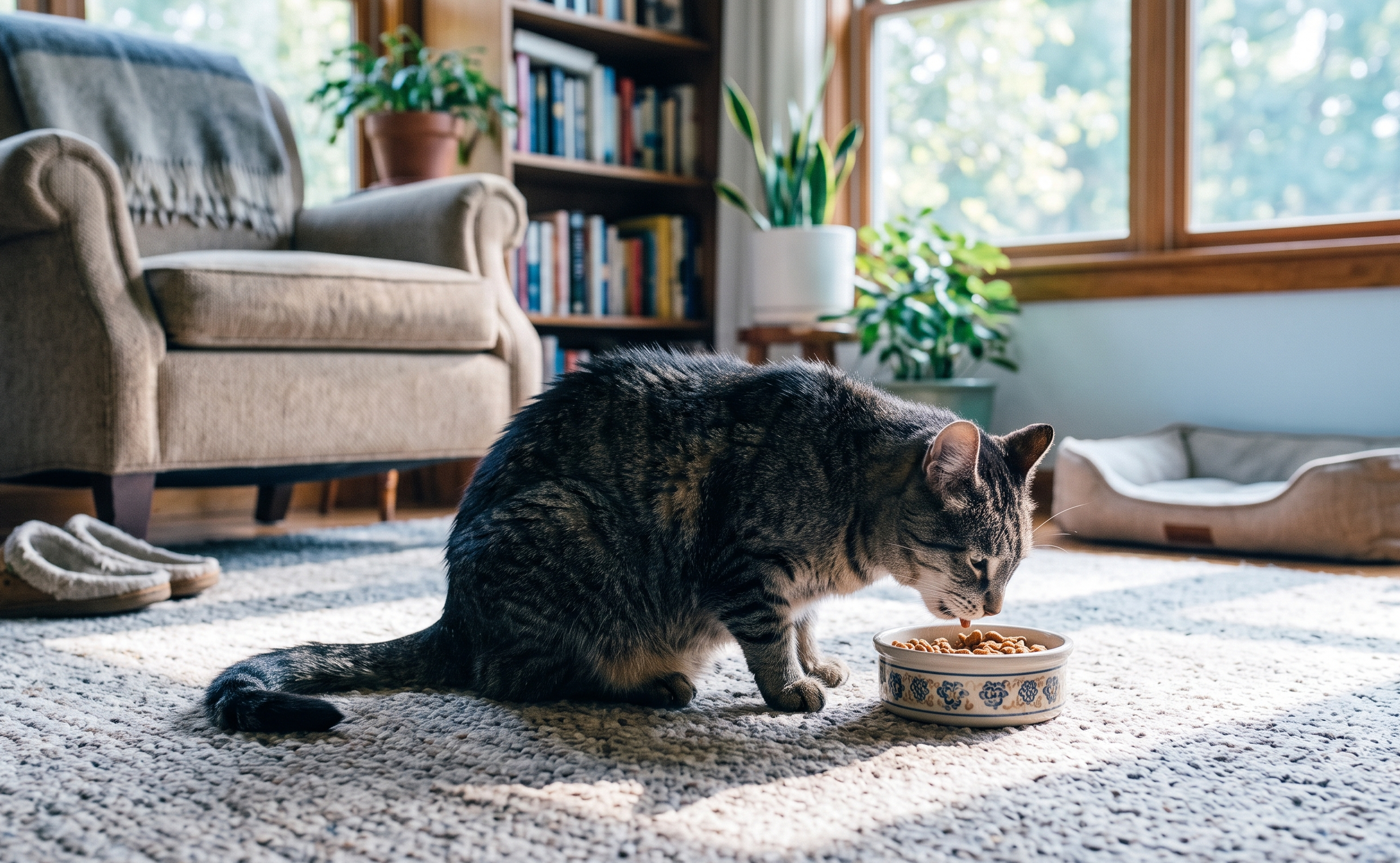
An emerging field gaining attention in both human and animal health is chrononutrition — the study of how the timing of meals interacts with the body’s internal…
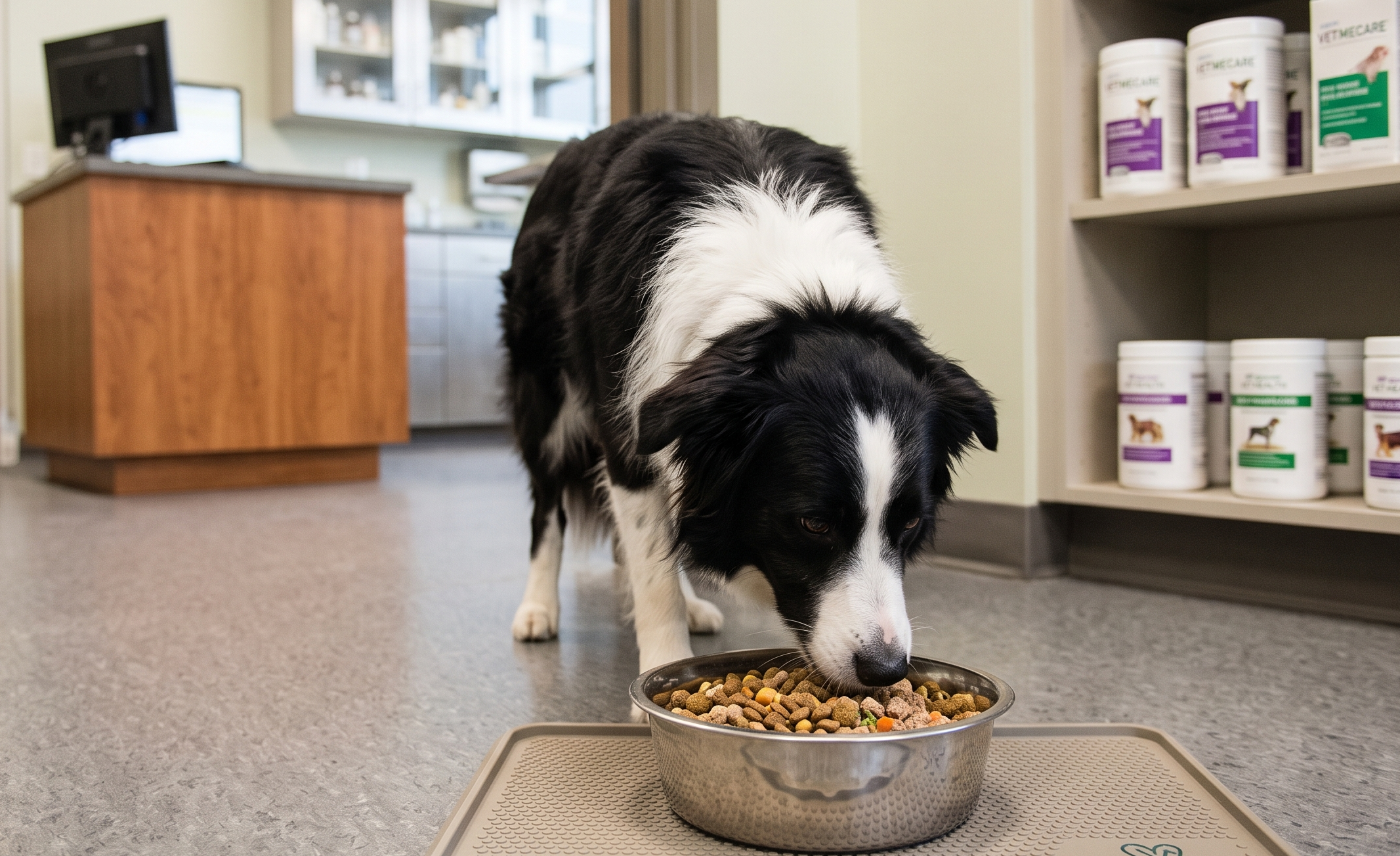
As veterinary professionals, we understand that nutrition is far more than just calories in and calories out. Emerging research into nutrient sensing — the biological processes…

As healthcare providers for animals, veterinarians have a unique opportunity to lead by example when it comes to protecting the planet. After all, a healthier…

Veterinary professionals know that the best treatment plan in the world only works if the client follows through at home. Client compliance is one of…

Measure key nutrient levels with nutritional testing for dogs and cats to guide proactive dietary interventions. Despite best efforts, dietary adequacy is often assumed rather…
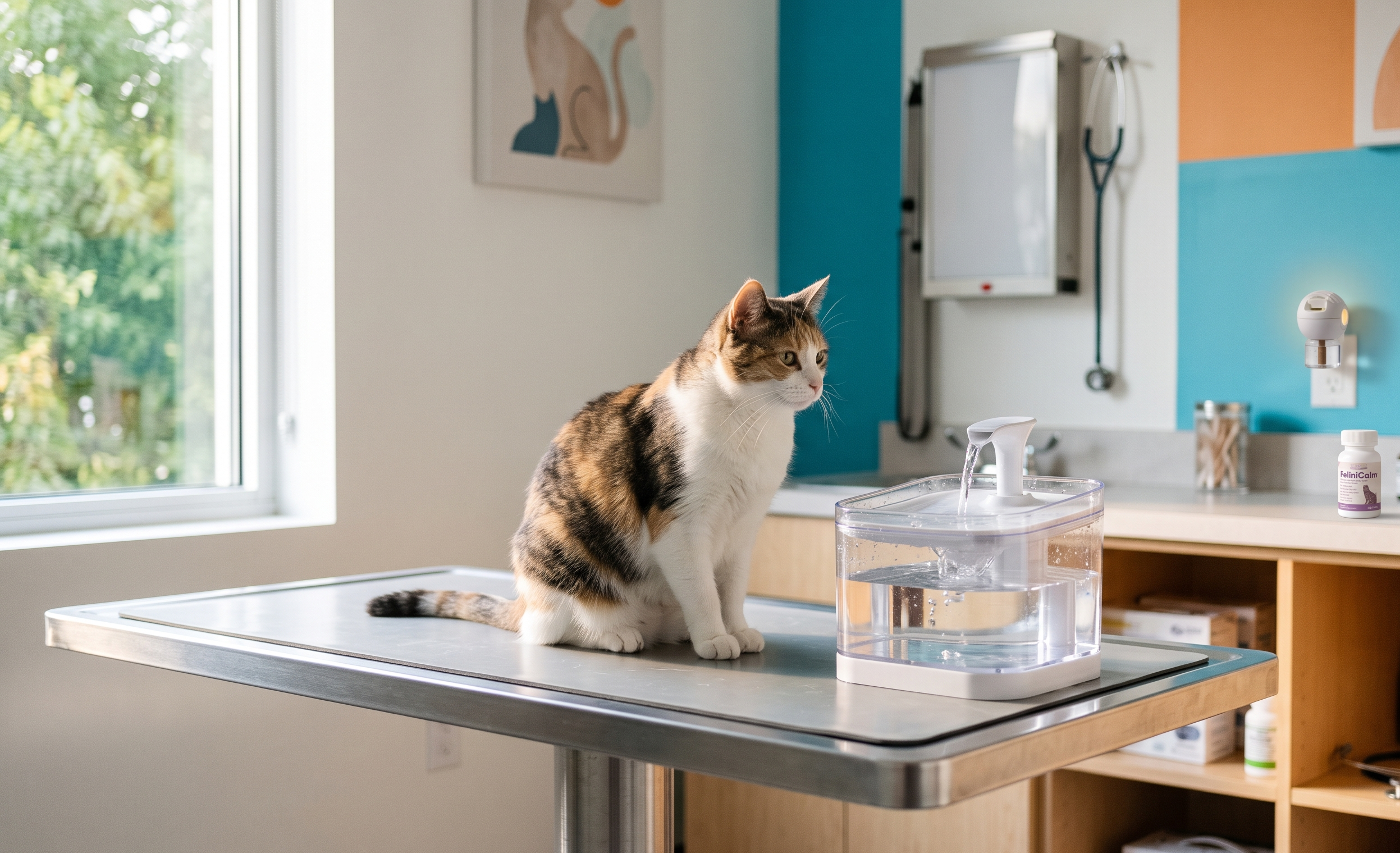
Feline Lower Urinary Tract Disease (FLUTD) is one of the most commonly encountered conditions in small animal practice. Among its many causes, Feline Idiopathic Cystitis…

Mammary tumors remain among the most common neoplasms in both dogs and cats, with malignant forms posing significant clinical challenges. While surgery continues to be…


Separation anxiety is one of the most common and challenging behavioral conditions seen in small animal practice. It affects dogs and cats of all ages…

Urinary tract health remains a major concern in feline medicine, with calcium oxalate (CaOx) uroliths being particularly challenging to manage and prevent. Recent controlled studies…
Please confirm you want to block this member.
You will no longer be able to:
Please note: This action will also remove this member from your connections and send a report to the site admin. Please allow a few minutes for this process to complete.
