
Three-Pronged Approach to Sound Sensitivity in Dogs and Cats
Sound sensitivity is one of the more common — and often underestimated — behavioral challenges seen in veterinary practice. Whether it’s fireworks, thunderstorms, traffic noise,…


Sound sensitivity is one of the more common — and often underestimated — behavioral challenges seen in veterinary practice. Whether it’s fireworks, thunderstorms, traffic noise,…


Turmeric, derived from the rhizome of Curcuma longa, has long been valued as a culinary spice, natural colorant, and preservative. Its bioactive compounds—curcuminoids such as…

Veterinary palliative medicine (VPM) is rapidly gaining recognition as a discipline that prioritizes the comfort and dignity of animals living with chronic or terminal illness.…


As integrative veterinary medicine continues to grow, more practitioners are exploring ways to blend Eastern and Western approaches to patient care. One area gaining attention…
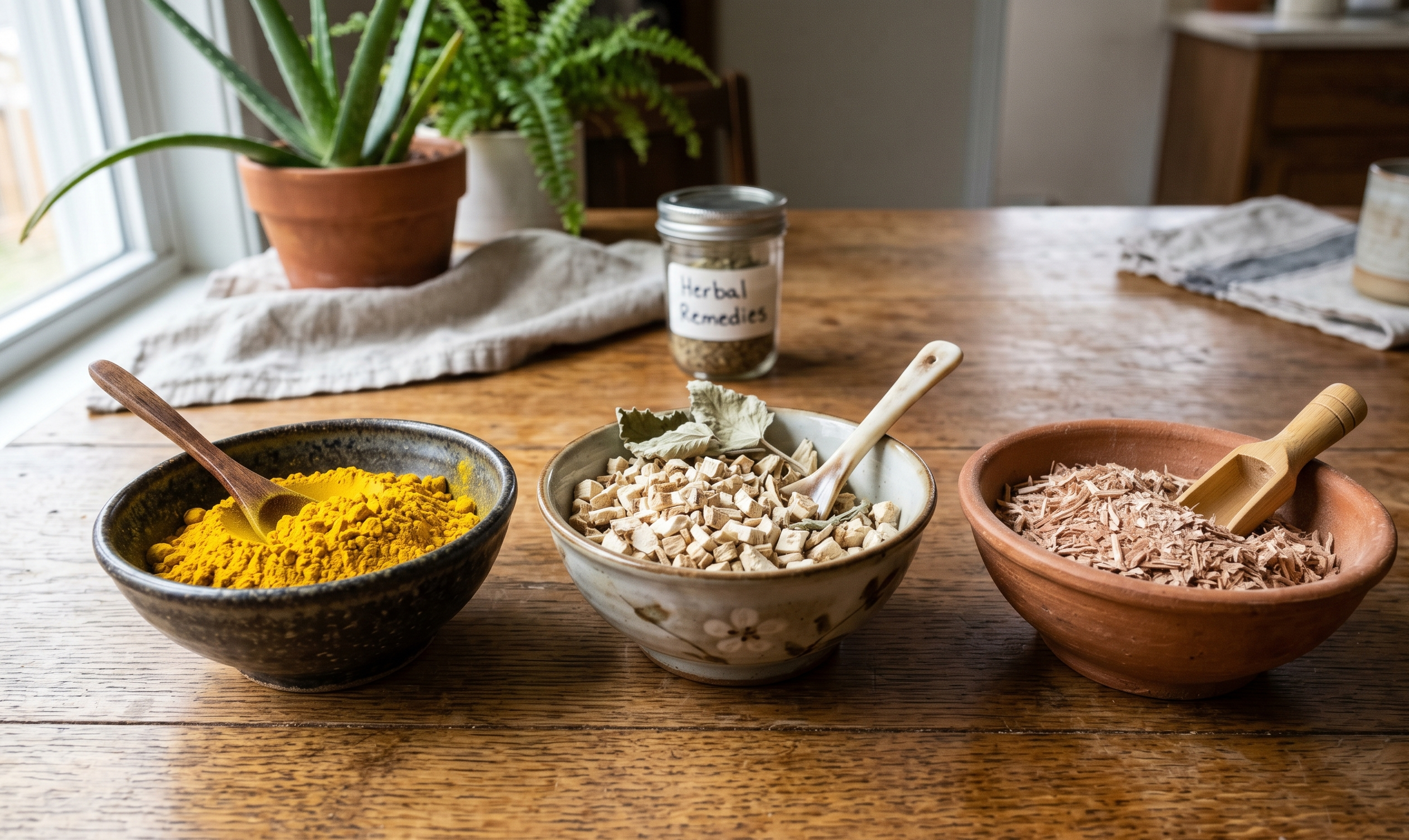
The gut microbiome has emerged as one of the most exciting frontiers in veterinary medicine. With trillions of microorganisms residing in the gastrointestinal tract of…

The field of synthetic protein therapeutics is rapidly advancing in veterinary medicine, opening new doors for treating complex diseases in our canine and feline patients.…
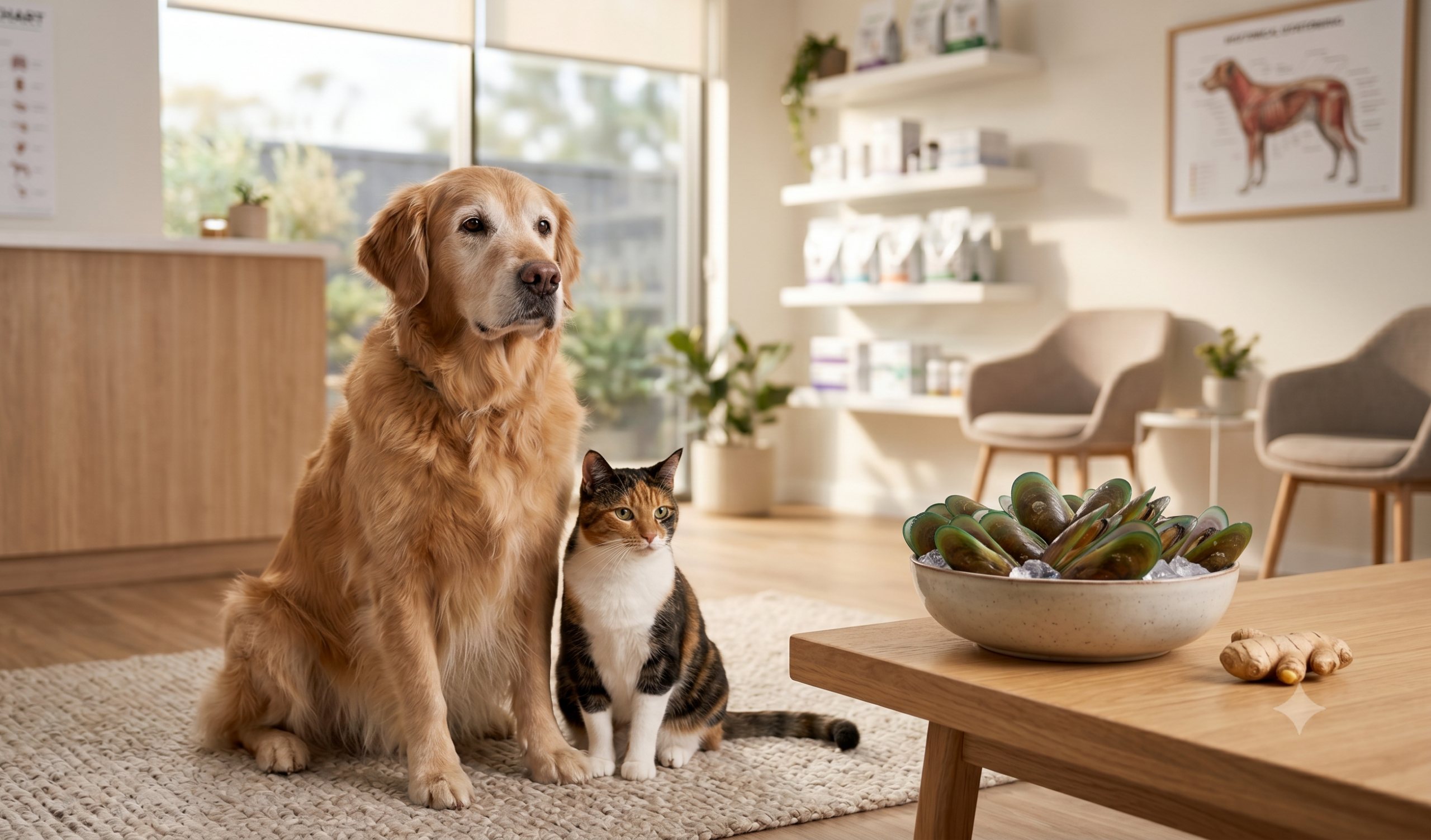
Chronic inflammation remains one of the most prevalent clinical challenges in modern small animal practice. As pet lifespans increase and diagnostic capabilities improve, we’re identifying…

Shotgun metagenomics is rapidly transforming how we approach infectious disease diagnosis in veterinary medicine. The application of this technology in clinical veterinary practice can be…
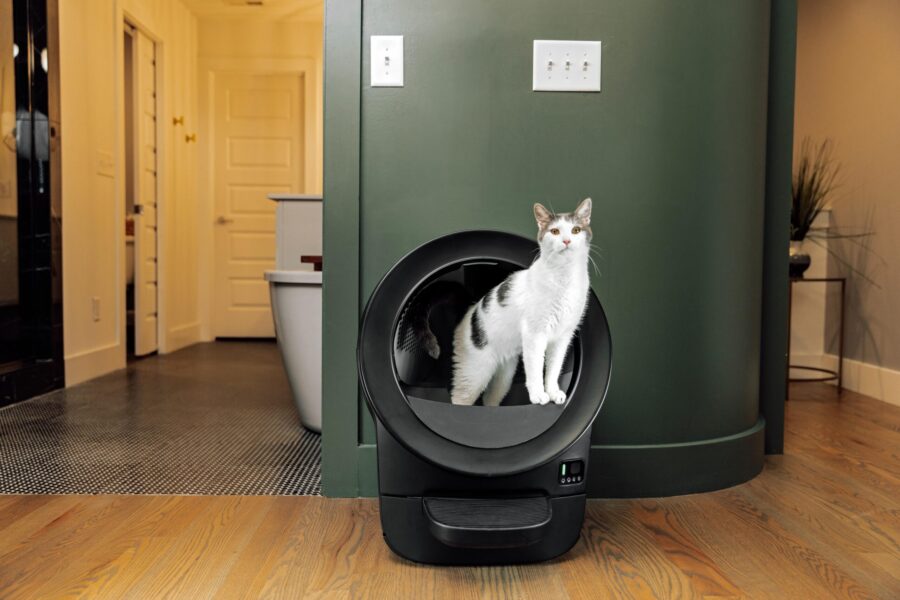
The best automatic litter boxes for cats can help your patients with regular feline weight monitoring and provide valuable health insights. Weight is one of…

Bile acids (BAs) have traditionally been viewed as digestive surfactants, but veterinary metabolomics now positions them as systemic endocrine signals central to the microbial–host metabolic…
Please confirm you want to block this member.
You will no longer be able to:
Please note: This action will also remove this member from your connections and send a report to the site admin. Please allow a few minutes for this process to complete.
