The gut microbiome has emerged as one of the most exciting frontiers in veterinary medicine. With trillions of microorganisms residing in the gastrointestinal tract of our animal patients, it’s no surprise that researchers are now investigating how herbal supplements might interact with this complex ecosystem. As interest in integrative veterinary medicine grows, understanding the science behind herbal microbiome modulation is becoming increasingly relevant for clinical practice.
The Gut Microbiome: A Quick Refresher
The gastrointestinal tract houses approximately 70% of the immune system in dogs and other companion animals. This positions the gut microbiome at the center of not just digestive health, but immune regulation, mental health, skin conditions, and more. Disruptions to this microbial balance — known as dysbiosis — have been linked to conditions such as inflammatory bowel disease (IBD), allergies, anxiety, and urinary tract infections.
Traditional interventions like probiotics and prebiotics have long been used to restore microbial balance. However, a growing body of research now suggests that certain herbal compounds may offer complementary — and sometimes synergistic — pathways for microbiome modulation.
How Herbal Compounds Interact with the Gut Microbiome
Herbal medicines contain bioactive compounds such as polyphenols, flavonoids, alkaloids, and terpenes. These compounds are not always fully absorbed in the upper GI tract, meaning they reach the colon largely intact — where gut bacteria metabolize them into biologically active metabolites.
Research highlights that plant-derived polyphenols can selectively promote the growth of beneficial bacteria such as Lactobacillus and Bifidobacterium species, while simultaneously inhibiting pathogenic organisms. This selective modulation mirrors the mechanism of action seen with conventional prebiotics, but with a broader range of bioactive compounds at play.
Key Herbal Agents Under Investigation
1. Berberine
Berberine, derived from plants such as Berberis vulgaris, has received significant attention for its antimicrobial and anti-inflammatory properties. A study in Phytomedicine (Feng et al., 2018) demonstrated that berberine modulated the gut microbiota in rodent models by increasing Bacteroidetes populations and reducing harmful Firmicutes, contributing to improved metabolic and inflammatory profiles. While direct veterinary studies remain limited, translational research shows promise.
2. Curcumin
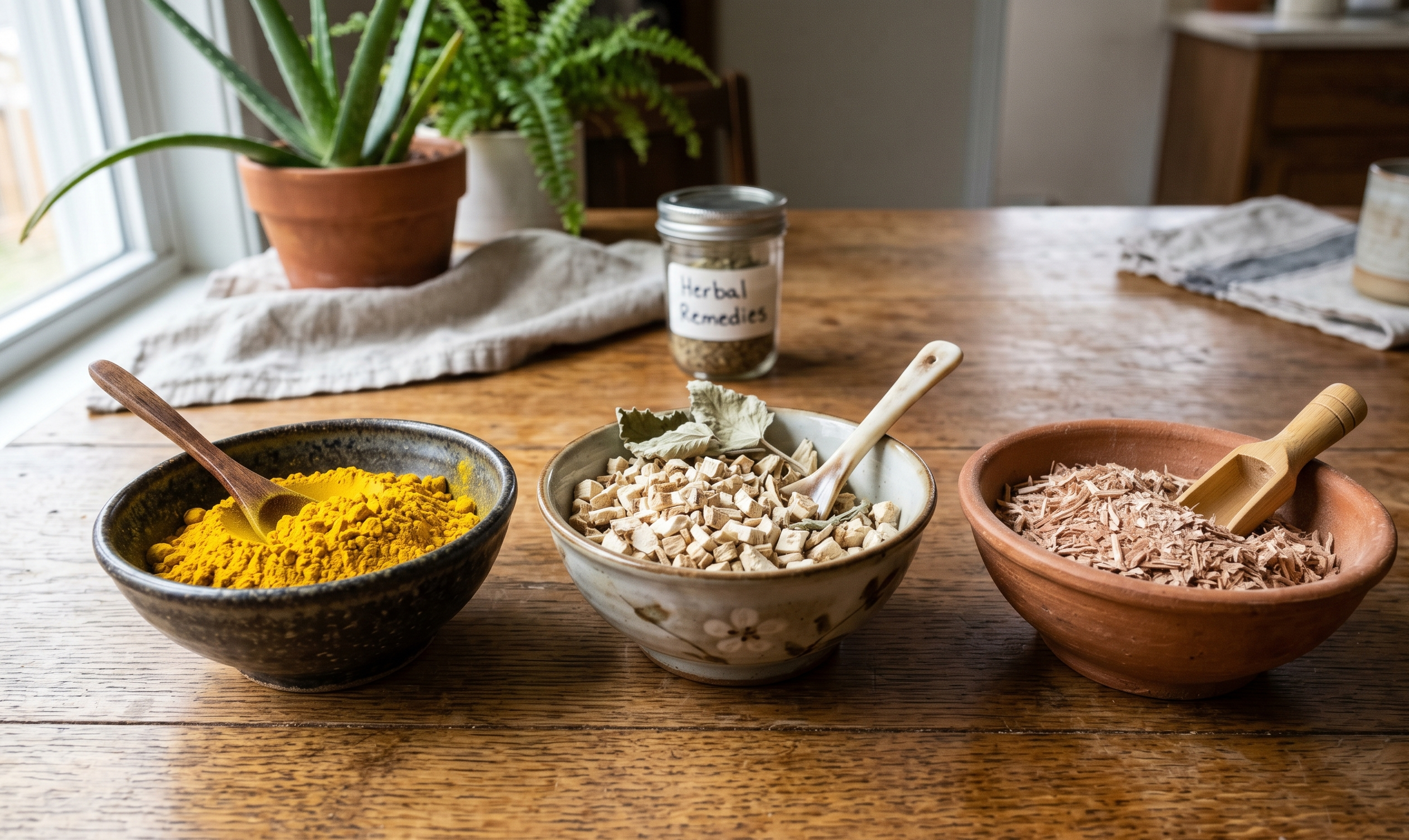
Curcumin, the active compound in turmeric (Curcuma longa), is widely studied for its anti-inflammatory properties. Research found that curcumin altered gut microbial composition in mice, enriching populations of Akkermansia muciniphila — a bacterium associated with gut barrier integrity and immune regulation. For veterinary patients with IBD or chronic enteropathies, this could be a meaningful avenue worth exploring.
3. Slippery Elm and Marshmallow Root
These mucilaginous herbs have long been used in traditional medicine to soothe the GI tract. Their prebiotic-like fiber content can support microbial diversity, although clinical veterinary trials remain sparse.
Clinical Relevance for Veterinary Professionals
Understanding herbal-microbiome interactions is particularly relevant when managing chronic GI conditions such as IBD, small intestinal dysbiosis, or antibiotic-associated diarrhea. Probiotics like Bifidobacterium animalis (strain AHC7) and Enterococcus faecium (strain SF68) already demonstrate clinical efficacy in dogs. Herbal modulation may one day serve as a complementary layer in a broader microbiome management strategy.
That said, standardization remains a major challenge. Herbal product quality varies widely.
The intersection of herbal medicine and microbiome science represents a compelling area for veterinary research. Clinicians who stay informed about this field will be better positioned to guide clients seeking integrative options for their pets.